Plan Brain Cancer Surgery In India With Forerunners Healthcare Consultants
Medical conditions related to the brain are intricate and a lot of detailing is required. Brain cancer is a dreaded disease and the surgery is complex. Only the best surgeons should be chosen as it may be a matter of life and death in maximum cases. Forerunners Healthcare Consultants is a medical value provider in India having an association with several prominent cancer and neuro-surgeons. We help overseas patients access the facilities of best medical fraternity.
Overview
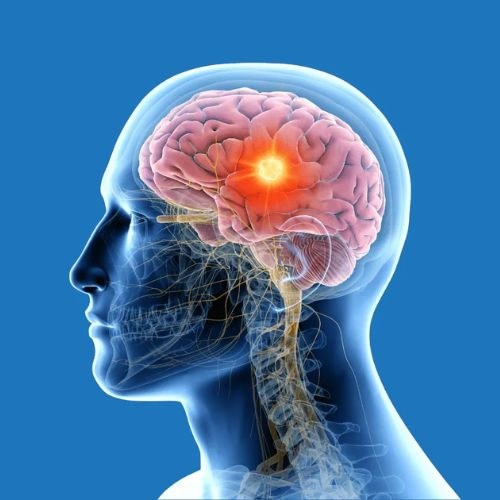
Brain Cancer the very words strike fear in the heart of anyone suffering from one. It once was considered as one of the most frightful events that could occur. Though, the treatment of brain cancer is extremely difficult because of polyclonicity, the Blood: Brain barrier, the diffuse infiltrative nature of these tumors, and the perilous location of some tumors. However, with improving technology and the gradual unfolding of scientific understanding of the basic biology of brain tumors, patients and families can look to the future with considerably more hope. Hence with Brain Cancer Surgery performed using these modern methods makes the patient stand up with courage and confidence.
What Is Brain Cancer?
A Brain Cancer is a group (mass) of abnormal cells that start in the brain. Cancers of the brain are the consequence of abnormal growth of cells in the brain. Brain cancers can arise from primary brain cells, from the cells that form other brain components (for example, membranes, blood vessels), or from the growth of cancer cells from other organs that have spread to the brain by the bloodstream (metastatic brain cancer). Malignant tumors are often cancerous which grow and spread aggressively, overpowering healthy cells by taking their space, blood, and nutrients.
What Are The Various Types Of Brain Cancer?
There are two main types of brain cancer:
- APrimary brain cancer: it includes any tumor that starts in the brain. Primary brain cancer can arise from the brain cells, the membranes around the brain (meninges), nerves, or glands. The common types of primary brain cancer goes as follows: Astrocytoma–most common type of brain tumor in children; originates in the brainstem, cerebellum, white matter of the cerebrum, or spinal cord Brainstem Gliomas–originates in the medulla, pons, or midbrain Choroid plexus Papilloma–originates in the ventricles Ependymoma–originates in the membrane that lines the bentricles and central canal of the spine Glioblastoma multiforme–most common types in adults; originates in glial cells in the berebrum Medulloblastoma–second most common type in children; originates in the fourth cerebral ventricle and the cerebellum; often invades the meninges
- BSecondary or Metastatic brain cancer: This starts in the other part of the body and moves to the brain. Brain tumors can be benign, with no cancer cells, or malignant, with cancer cells that grow quickly. In adults, the most common types of cancer that spread to the brain are the following: Melanoma Breast cancer Renal cell carcinoma Colorectal cancer
Which Are The Top Brain Cancer Hospitals In India?
The top hospitals for brain cancer surgery in India are equipped with state of the art diagnostics to provide a wide range of cancer treatments.
Our best doctors for brain cancer in India will evaluate and discuss the findings to chart out the optimal plan of brain cancer treatment for each patient based on established national and international guidelines and protocols.
Our associated hospitals are located at Delhi, Chennai, Mumbai, Nagpur, Pune, Kochi, Jaipur, Chandigarh, Kochi, Goa, Bangalore, Noida, Gurgaon, Hyderabad, Ahmedabad, Kerala, etc.
What Are Symptoms Of Brain Cancer?
The most common symptoms of brain cancer are weakness, difficulty in walking, seizures, and headaches. Other common symptoms are nausea, vomiting, blurred vision, or a change in a person's alertness, mental capacity, memory, speech, or personality. These symptoms can also occur in people who do not have brain cancer, and none of these symptoms alone or in combination can predict that a person has brain cancer. Cancer can occur in any part of the brain (for example, occipital, frontal, parietal, or temporal lobes, brainstem, or meningeal membranes). A few brain cancers may produce few or no symptoms (for example, some meningeal and pituitary gland tumors).
How To Detect The Brain Cancer?
The initial test is an interview that includes a medical history and physical examination of the person by a health-care provider. The results of this interaction will determine if other specific tests need to be done. The most frequently used test to detect brain cancer is a CT scan (computerized tomography). This test resembles a series of X-rays and is not painful, although sometimes a dye needs to be injected into a vein for better images of some internal brain structures. Another test that is gaining popularity because of its high sensitivity for detecting anatomic changes in the brain is MRI (magnetic resonance imaging). This test also resembles a series of X-rays and shows the brain structures in detail better than CT.

MRI is not as widely available as CT scanning. If the tests show evidence (tumors or abnormalities in the brain tissue) of brain cancer, then other doctors such as neurosurgeons and neurologists who specialize in treating brain ailments will be consulted to help determine what should be done to treat the patient. Occasionally, a tissue sample (biopsy) may be obtained by surgery or insertion of a needle to help determine the diagnosis. Other tests (white blood cell counts, electrolytes, or examination of cerebrospinal fluid to detect abnormal cells or increased intracranial pressure) may be ordered by the health-care practitioner to help determine the patient's state of health or to detect other health problems.
What Are The Preparations For Brain Cancer Surgery
It is vitally important to enter into Brain Cancer Surgery with a positive attitude. While the extent of involvement, type of tumor and surgical skills all play a role in the surgical outcome, going into the procedure with a sense of well being will help prepare your body to respond more effectively. Prepare yourself for a lengthy and possibly arduous recovery process, and expect good results.
- ARemoving a cancerous tumor requires the expertise of neurosurgeons specially trained in the techniques of removing as much of the tumor as possible without damaging the surrounding healthy tissue. This is a very delicate call, especially if the tumor is malignant.
- BSurgery to remove a benign brain tumor may resolve the problem without the necessity of any further treatment. Malignant tumors are life-threatening and usually require additional measures, such as radiation.
- CBrain surgery may be the only way to determine if the tumor is benign or malignant. Examination of the tissue under a microscope is the only way to confirm the diagnosis in some cases.
- DBrain tumor surgery may be necessary for clarifying the extent of the tumor. It is hard to define the borders of some tumors until they can actually be viewed by the neurosurgeon.
- EAllow access to the brain tumor via surgery to implant radiation pellets. Some tumors are inoperable and the only way to treat them effectively is with direct radiation contact.
Best Brain Cancer Surgery Hospitals In India
Forerunners Healthcare connects international patients with accredited, world-class hospitals across India for safe, high-quality treatment at an affordable cost.
 Manipal Hospital (Old Airport Road), Bangalore
 Global Hospital, Mumbai
 Fortis Memorial Research Institute (FMRI), Gurgaon
 Fortis Hospital (Bannerghatta Road), Bangalore
 Artemis Hospital, Gurugram
 Saifee Hospital, Mumbai
 Medanta - The Medicity, Gurugram
 Max Super Speciality Hospital, Delhi
 Kokilaben Dhirubhai Ambani Hospital, Mumbai
 Jaslok Hospital, Mumbai
 Lilavati Hospital & Research Centre, Mumbai
 Indraprastha Apollo Hospital, Delhi
What Are The Various Procedures For Brain Cancer Surgery?
If you are healthy enough to tolerate it, surgery is the first option to be considered when approaching the treatment of brain tumors. The goals of surgery depend in large part on what type of tumor is suspected based on the history, clinical findings, and radiographic picture. The aim is to remove the entire tumor, although with most tumor types residual tumor will remain after surgery. Many studies have demonstrated that greater resection will result in better outcomes. If only a small amount of tumor can be safely removed, most surgeons prefer to take a , biopsy only to identify tumor type and then non-operative therapies (radiation ) are used. Surgical procedures include:
- ACraniotomy: Craniotomy means "cutting into the head." All conventional brain surgeries begin this way. The opening will be as close to the tumor as possible. Some tumors are best approached through the nose or the top of the neck. Most approaches go through the scalp and the skull to expose the upper part of the brain (the cortex). During this procedure, the skin which is usually the scalp is shaved and an incision is made. Then a piece of the skull bone is removed to expose the brain. In select circumstances, once the brain is exposed, the surgeon may do some mapping to identify functional areas of the brain. The tumor will be exposed, isolated from normal brain, and removed. The surgery may take several hours.
- BBiopsy: A biopsy is a sampling of tissue from a surgery. The doctor examines the biopsy to make a diagnosis. Biopsy tissue can be obtained via a craniotomy, or it can be obtained through a smaller surgery called a stereotactic biopsy. The surgeon drills a small hole through the skull. He then uses imaging to guide a needle into the brain and tumor. A sample of tissue is removed. The decision of whether to proceed with a biopsy or a larger craniotomy will be made by your team.
- CShunts: Pressure inside the skull is a critical factor, since the brain is very sensitive to pressure changes. Increasing pressure rapidly impairs brain function and can be potentially fatal. If this happens, it can be treated with a relatively simple procedure known as a shunt. In a manner similar to taking a biopsy, a small hole is made in the skull. Through this hole, a tube is inserted into one of the fluid-filled spaces inside the brain. The other end of the tube is passed under the skin from the head to the trunk where it drains fluid into the heart or abdomen. A one-way valve in the tube prevents back flow into the brain. A potential problem with a shunt is that in moving fluid from the brain to the lower portions of the body (to relieve pressure in the brain), the surgeon may unwittingly be moving the brain tumor cells along with the fluid.
- DMicrosurgery: Operating microscopes are commonly used during neurosurgery. Magnification greatly increases the precision with which an operation can be done. This is extremely delicate operation which is being performed using such methods as microscopy, navigation, CUSA, laser, and stereotaxis. Operations, which would have resulted in death or permanent impairments some time ago, now end up with recovery.
- EMapping: The surgeon may need to know precisely what function is performed by parts of the brain near the surgical site. There are several ways to "map" your brain. Some are used during surgery; others do not require opening the head. They may involve: Stimulating brain tissue with tiny electrical currents Measuring brain waves as they are stimulated Using ultrasound probes inside or near brain structures Probing the brain with special computerized "wands” Using special :: MRI techniques, such as functional MRI Positron emission tomography (PET) or single photon emission computed tomography (SPECT) Magnetoencephalogram (MEG)—can be used to localize motor, sensory, and language function
- FEmbolization: The blood supply to tumors can be identified by angiography. This blood supply can then be shut off by introducing a variety of plugs. These plugs can block the artery from the inside, causing the tumor to die from lack of blood flow. It works by blocking the vascular supply to a tumor. The blockage is usually performed via an endovascular approach but may also be performed by direct percutaneous injection of embolic agents into the tumor. The procedure is usually performed in a single session, simultaneously with diagnostic arteriography, but may also be performed in multiple staged sessions.
What Are Additional Surgical Procedures For Brain Cancer Surgery?
The following are the additional procedures for treating brain cancers:
- AThermal destruction instruments (example, Lasers) can be placed in the exact spot to destroy tumor tissue.
- BUltrasonic aspiration—breaks up tumor tissue and sucks it out of the brain; some tumors are most efficiently removed this way with less damage to normal brain tissue
- CInternal sources of radiation (Gliasite) or drugs (Gliadel)- can be administered within the tumor cavity
There is an ongoing investigation evaluating other methods of locally administering radiation and chemotherapy. You can discuss these options with your team.
What Post-operative Care Is To Be Taken After Brain Cancer Surgery?
The bandages on the surgical wounds need to be removed and replaced regularly. The scalp should be kept dry when the staples are not removed. The patient may be required to take up certain therapies to improve strength and coordination. Scalp hair may be washed in about 2 weeks after surgery. Hair dyes and any hair cosmetics should be avoided. The patient may be advised to avoid taking flights for about a month after the surgery as the cabin pressure may cause some problems to the patient’s brain. The doctor should be consulted about the nature of the work if the patient is resuming job. Sports such as boxing and rugby should be avoided for a minimum of 12 months after the surgery. The patient should avoid drinking alcohol in large amounts as this may lead to seizures.
How Much Time Is Required To Recover After Brain Cancer Surgery?
After the surgery the patient is taken to the recovery room. The patient is shifted to the neurosurgery ward once the patient regains consciousness. The patient is then closely monitored in the ICU. The patient’s pupil reactions are tested and limb movements are evaluated. The patient may experience nausea and headache. The eyes may also swell and be bruised due to the surgery. The wound will feel uncomfortable for many weeks. Pain medication may be prescribed by the doctor. The scar will heal slowly and become less noticeable in 6 to 12 months. Partial recovery is possible in 1 to 4 weeks. The patient may be able to fully recover in 8 weeks after the surgery.
What Are Advance Brain Cancer Surgeries?
Research for Brain Cancer is ongoing. The following advances may still be under investigation in clinical trials and may not be approved or available at this time. Always discuss all diagnostic and treatment options with your doctor. The following are the advanced procedures for the treatment of brain cancer:
- AComputer-assisted volumetric stereotaxis: This is a method for gathering, storing and reformatting imaging-derived, three-dimensional volumetric information defining an intracranial lesion with respect to the surgical field. With this technique a surgeon can plan and simulate the surgical procedure beforehand, in order to reach deep-seated or centrally located brain tumors employing the safest and least invasive route possible.
- BGamma Knife surgery: This procedure is unique because, with the Gamma Knife, no surgical incision is performed to expose the target. The Gamma Knife isn't really a knife at all, but Radiosurgery - a non-invasive neurosurgical procedure that uses powerful doses of radiation to target and treat diseased brain tissue while leaving surrounding tissue intact. This state-of-the art technology allows physicians to operate on brain lesions often considered inoperable. Gamma Knife treatment offers new hope for patients with brain tumors, vascular malformations and functional disorders.
Why Prefer India For Brain Cancer Surgery?
India is recognized as one of the most important destinations for Low Cost Brain Cancer Surgery . A huge crowd of international patients from all across the world come to India for a nice blend of best brain cancer specialists with top-class medical expertise in performing advanced brain tumor surgery at attractive prices is helping more and more Indian corporate hospitals to bring more and more foreign patients, including from the developed nations for high end surgeries pertaining to various disease including the Brain Cancer.
Because of these advantages of brain cancer surgery , many international patients prefer India to get this treatment done instead of going to other European countries.
The Cancer Hospitals in India are well equipped with the most advanced medical treatment and brain tumor healing techniques and are competent to deliver quality treatment to the global patients. They have the most extensive neuro-diagnostic and imaging facilities including Asia’s most advanced MRI and CT technology. These Hospitals offers you a magnitude of imaging services like EEG, EMG, Sensation 10 CT Scanner, Functional MRI with Spectroscopy, OPMI Multivision etc.
Personalized care and attention is provided with value added services besides results of world class standard at a very low cost affordable to all sections of society. The Brain Cancer Surgery in India is available at various hospitals in the following cities with latest amenities and state-of-art-facilities.
| Mumbai | Hyderabad | Kerala |
|---|---|---|
| Delhi | Pune | Goa |
| Bangalore | Nagpur | Jaipur |
| Chennai | Gurgaon | Chandigarh |
 United States
 United Kingdom
 Canada
 Australia
 New Zealand
 Nigeria
 Kenya
Kenya Ethiopia
 Uganda
 Tanzania
 Zambia
 Congo
Congo Sri Lanka
 Bangladesh
 France
 Afghanistan
 Nepal
Nepal Uzbekistan