
Overview
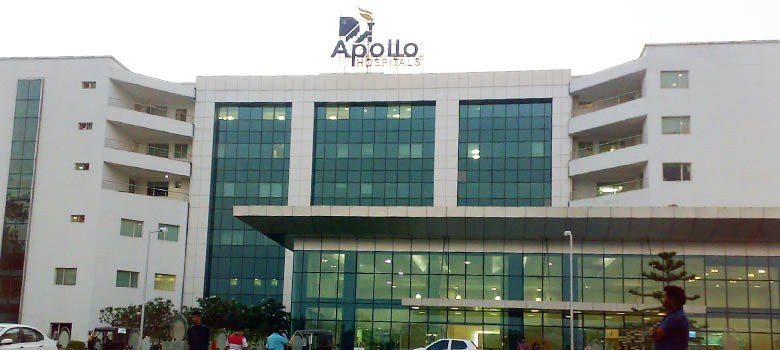
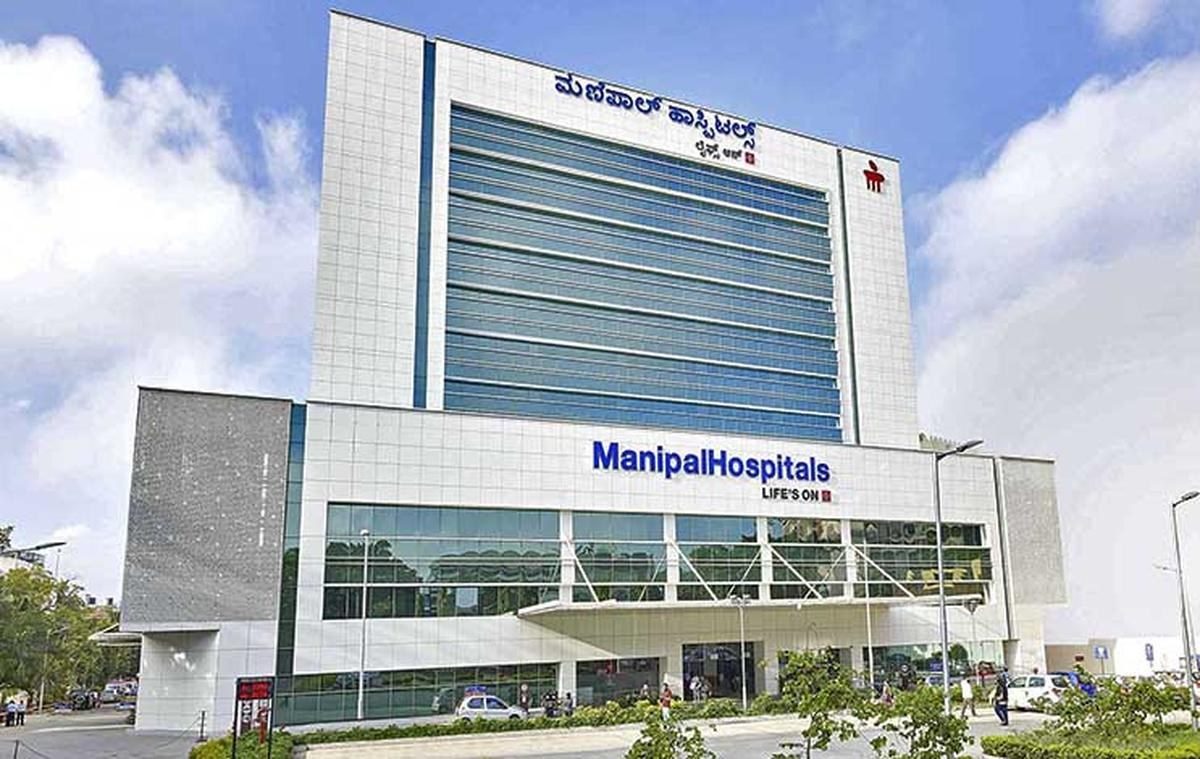
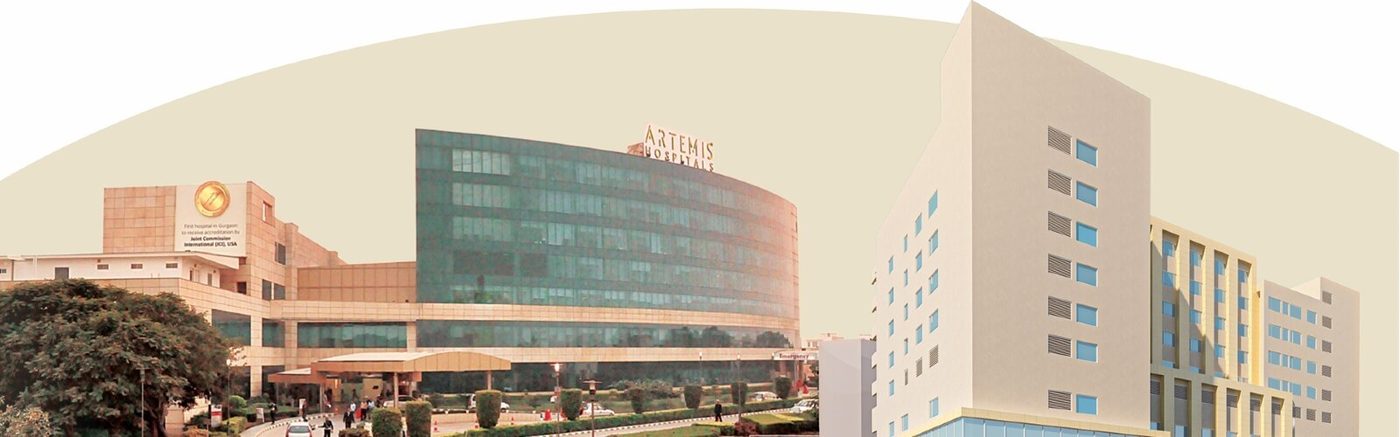
Intragastric balloon surgery in India is performed by the most experienced Indian obesity surgeons that are attracting many medical patients from foreign countries. The medical and healthcare amenities in India are excellent in terms of efficiency and quality. Intragastric balloon surgery in India is available at various hospitals of Delhi, Mumbai, Chennai and Bangalore.
The medical facilities available in India are at par with West and sometimes even better. In India, you can avail the best of medical treatment at a fraction of the cost when compared to Western countries.
Obesity is a medical condition in which excess body fat has accumulated to the extent that it may have an adverse effect on health, leading to reduced life expectancy or increased health problems.
Suitability And Evaluation
Body mass index (BMI), a measurement which compares weight and height, specifies people as overweight when their BMI is between 25 kg/m2 and 30 kg/m2 and obese when it is greater than 30 kg/m2. Intragastric balloons are one of the newer forms of weight loss surgery.
The Intra Gastric Balloon is a simple gastric surgery devise, fitted inside the stomach, to create short term & rapid weight loss. It is a soft, expandable, silicone balloon that is placed inside the stomach via a camera that enters through the mouth and into the stomach. Once inserted in the stomach, the empty balloon is filled with sterile saline.
Procedure Planning
Procedure – In this video of intra gastric balloon surgery, the balloon is introduced into the stomach through the mouth without the need for surgery. Insertion of the intra gastric Balloon is a non-surgical way of aiding weight-loss. The physician inserts an endoscopic camera (gastroscope) into the stomach.
If no abnormalities are observed, the physician proceeds with the placement of the balloon through the mouth and down the oesophagus into the stomach.
Once the balloon is inside the stomach, it is filled with sterile saline through a small filling tube attached to the balloon. Once filled, the doctor removes the tube by gently pulling it out, leaving the balloon inside the stomach.
Hospital And Surgeon Review
The balloon fills a large portion of the stomach, and therefore reduces the capacity of the stomach. This creates a feeling of fullness for the patient and does not allow for overeating, therefore allowing the patient to effectively diet without feeling continuously hungry.
Unlike other mechanical weight loss solutions, the intra gastric balloon surgery involves no surgical incisions or stapling, and is fully reversible.
Side Effects Of Intra Gastric Balloon Surgery
India has originated as one of the most important hubs for intragastric balloon surgery. Many people from the developed countries come to India for a nice blend of top-class medical expertise that is offered by the Indian hospitals. Intragastric balloon surgery in India is available at the state-of-the-art hospitals where the amenities are at par with the western countries.
India is also one of the most favorable tourist destinations in the world. You can enjoy a great vacation and at the same time recuperate.
What Patients Should Confirm
Patients should confirm medical fitness, BMI history, diabetes or sleep-apnea status, nutritional review, and the lifestyle plan expected after the procedure.
Before requesting a medical opinion, keep recent reports, imaging files, discharge summaries, prescriptions, and a short symptom timeline ready. This helps the specialist review the case without unnecessary back-and-forth.
Travel And Follow-Up Planning
International patients should ask about visa documents, attendant needs, estimated hospital stay, nearby accommodation, fitness-to-fly advice, and how follow-up will continue after returning home.
Forerunners Healthcare can coordinate hospital options, doctor review, appointment planning, travel support, and cost estimates while keeping the final medical decision with the treating specialist.
Care Planning Checklist
Before confirming treatment, patients should share recent reports, imaging, prescriptions, allergy details, previous discharge summaries, and a short timeline of symptoms or diagnosis. This helps the hospital team give a clearer medical opinion and a more realistic cost estimate.
Patients should also confirm the expected hospital stay, attendant needs, visa documents, airport transfers, accommodation near the hospital, payment inclusions, and what may change if extra tests or a longer stay are required.
Follow-up planning should be discussed before travel. Ask what warning signs need urgent attention, when flying is usually reviewed, how medicines or dressings will be managed, and how the treating team will coordinate after the patient returns home.