
Overview
If you are an individual who has been unable to achieve significant weight loss through diet modifications and exercise programs alone, bariatric surgery may help to attain a more healthy body weight. If you follow diet and exercise recommendations, you can keep most of the weight off.
But this condition is not applicable to everyone, and then the only option left for such people is bariatric surgery. Bariatric surgery limits the amount of food that you take in. Some operations also restrict the amount of food you can digest.
Many of the current standards and guidelines for performing bariatric surgery were set in 1991, by a consensus panel of physicians, sponsored by the National Institutes of Health (NIH). In particular, they established the body mass index (BMI) as the basis for selecting candidates for surgical treatment, to which was added the presence of severe morbid conditions.
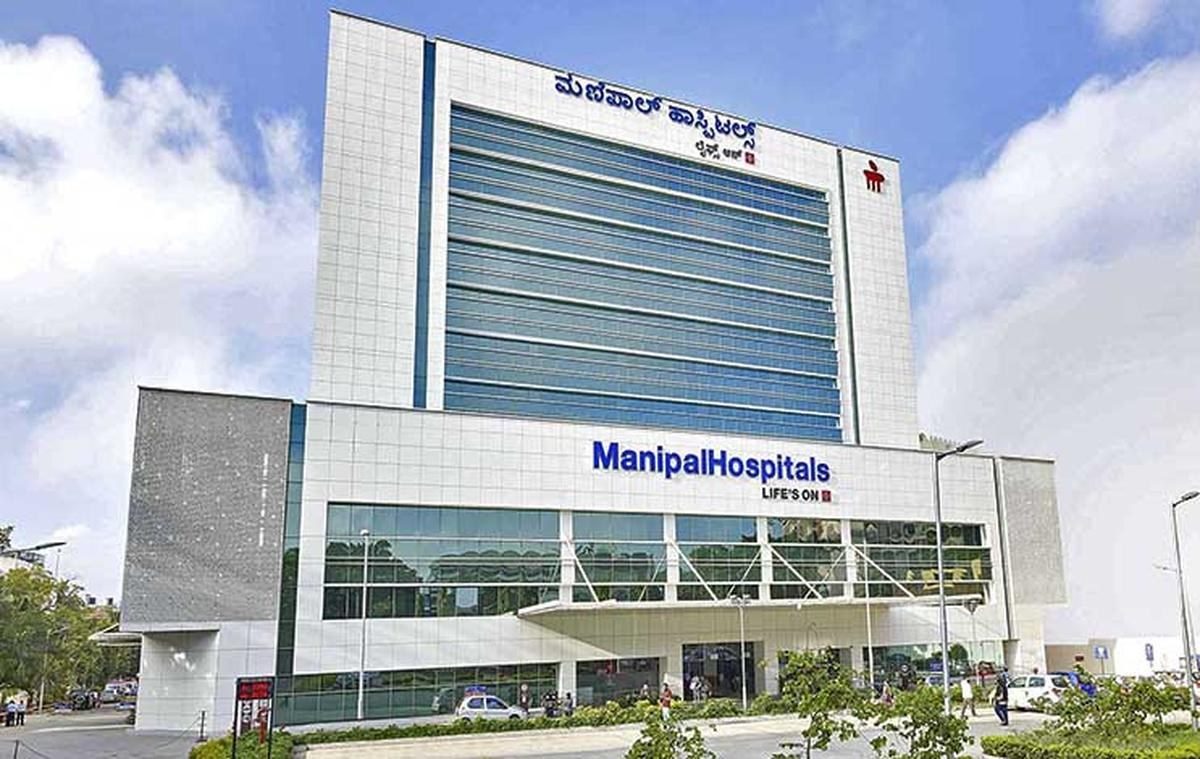
Bariatric surgery is provided in many countries but the cost required for bariatric surgery is enormous. But the cost required for bariatric surgery in India is considerably low as compared to any western countries. It saves almost half amount than any western countries. Most of the hospitals in India have JCI accreditation and are known for its advanced hospitality.
There are a number of surgical options available to treat obesity, each with their advantages and pitfalls. In general, bariatric surgery is successful in producing weight loss. Various options are available for bariatric surgery such as adjustable gastric banding, gastric bypass and sleeve gastrectomy. Here is an account of a bariatric surgery procedure.
Adjustable Gastric Banding: The surgery involves forming a small pouch in the upper part of the stomach that effectively becomes a new baby stomach. The sialistic band is wraped around the upper portion of stomach all around to form a "baby stomach". The narrow opening or stoma is formed by the bands two ends joining together.
This band has a balloon on it which can be inflated or deflated in later stages so as to increase or decrease the size of stoma. This step makes the SAGB a stoma adjustable operation. This can be done anytime after the operation with the help of port kept under the skin at the time of operation, now the food still goes down the normal way and is digested in the bowel normally.
The big difference is that the pouch will only allow a very small amount to be fitted in at one time and when this happens satisfaction is achieved and hunger will subside until the pouch eventually empties into the duodenum. So you feel full after eating a small amount of solid food and your intake of food can be kept to two or three tiny meals a day with no desire to eat between meals.
Suitability And Evaluation
India has become a spectacular destination for all those who are seeking advanced medical treatment at low cost. In India medical treatments are not chip it’s affordable just because of the low currency rate as compared to western countries. More over the beauty and heritage of India give a different experience.
The combination of hospitality and tourist destinations of India has really no match. Most of the hospitals for bariatric surgery in India are located at Delhi, Mumbai, Chennai, Calcutta and Bangalore.
What Patients Should Confirm
Patients should confirm medical fitness, BMI history, diabetes or sleep-apnea status, nutritional review, and the lifestyle plan expected after the procedure.
Before requesting a medical opinion, keep recent reports, imaging files, discharge summaries, prescriptions, and a short symptom timeline ready. This helps the specialist review the case without unnecessary back-and-forth.
Travel And Follow-Up Planning
International patients should ask about visa documents, attendant needs, estimated hospital stay, nearby accommodation, fitness-to-fly advice, and how follow-up will continue after returning home.
Forerunners Healthcare can coordinate hospital options, doctor review, appointment planning, travel support, and cost estimates while keeping the final medical decision with the treating specialist.
Care Planning Checklist
Before confirming treatment, patients should share recent reports, imaging, prescriptions, allergy details, previous discharge summaries, and a short timeline of symptoms or diagnosis. This helps the hospital team give a clearer medical opinion and a more realistic cost estimate.
Patients should also confirm the expected hospital stay, attendant needs, visa documents, airport transfers, accommodation near the hospital, payment inclusions, and what may change if extra tests or a longer stay are required.
Follow-up planning should be discussed before travel. Ask what warning signs need urgent attention, when flying is usually reviewed, how medicines or dressings will be managed, and how the treating team will coordinate after the patient returns home.