
Overview
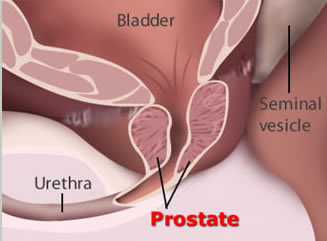
A radical prostatectomy is the removal of the entire prostate, including its capsule, as well as the seminal vesicles. The prostate is a gland that surrounds the neck of the bladder and the urethra in a male. The seminal vesicles lie behind the bladder and near the prostate. They secrete a thick fluid that forms part of the semen.
Radical prostatectomy is performed under anesthesia and the procedure takes from 1.5 to 4 hours to complete. The patient is either unconscious during the prostatectomy or remains awake but numb below the waist. In the most common radical prostatectomy procedure, the incision begins below the navel and extends to just above the pubic bone.
In a variation of this procedure, a smaller, curved incision is made between the anus and the base of the scrotum; the prostate is then removed from underneath the pubic bone. A nerve sparing radical prostatectomy may be employed in an attempt to preserve the man's erectile function. After removal of the prostate, the urethra is sewn to the neck of the bladder over a urinary catheter.
The catheter is a narrow tube that is passed through the urethra into the bladder. Drains are placed around the site and then the incision is closed. After surgery, the patient is taken to a surgery recovery room. The catheter is removed 2-3 weeks after the procedure, and dressings are kept on the wounds until they have completely dried up.
Radical Prostatectomy removes the cancer containing prostate gland and the lymph nodes in the vicinity. Open Surgery approach gives surgeon a larger area to work in, better access to the prostate gland, seminal vesicles and the lymph nodes and is used more commonly world wide. Radical Prostatectomy has a shorter hospital stay, quicker and less painful recovery.
However, it requires a highly skilled surgical team to perform this challenging procedure. The main advantage of surgery is that it offers the most certain treatment. That is, if all of the cancer is removed during surgery, patient is probably cured.
Also, the surgery provides doctor with accurate information about how advanced the cancer is, since the nearby lymph nodes are taken out along with the tumor.
Fertility Evaluation
Getting low cost radical prostatectomy in India is a very good option for international patients seeking low cost and safe surgical treatment for their problems. In India the cost of radical prostatectomy is extremely low which costs, about 1/3 of costs in USA or Europe. The cost for the surgery depends on the surgeon. Oftentimes, patients choose their surgeon on the basis of price.
The cost of radical prostatectomy is very affordable in India and costs are much lower compared other countries. For some of the treatment procedures
This low cost of surgical treatment in India is just because of the low cost of Indian rupee in international currency market and it doesn’t affect the quality standard of treatment.
What Patients Should Confirm
Patients should confirm fertility test results, previous cycle records, medication plan, visit timeline, partner requirements, and the clinic's follow-up process.
Before requesting a medical opinion, keep recent reports, imaging files, discharge summaries, prescriptions, and a short symptom timeline ready. This helps the specialist review the case without unnecessary back-and-forth.
Travel And Follow-Up Planning
International patients should ask about visa documents, attendant needs, estimated hospital stay, nearby accommodation, fitness-to-fly advice, and how follow-up will continue after returning home.
Forerunners Healthcare can coordinate hospital options, doctor review, appointment planning, travel support, and cost estimates while keeping the final medical decision with the treating specialist.
Care Planning Checklist
Before confirming treatment, patients should share recent reports, imaging, prescriptions, allergy details, previous discharge summaries, and a short timeline of symptoms or diagnosis. This helps the hospital team give a clearer medical opinion and a more realistic cost estimate.
Patients should also confirm the expected hospital stay, attendant needs, visa documents, airport transfers, accommodation near the hospital, payment inclusions, and what may change if extra tests or a longer stay are required.
Follow-up planning should be discussed before travel. Ask what warning signs need urgent attention, when flying is usually reviewed, how medicines or dressings will be managed, and how the treating team will coordinate after the patient returns home.






































