Overview
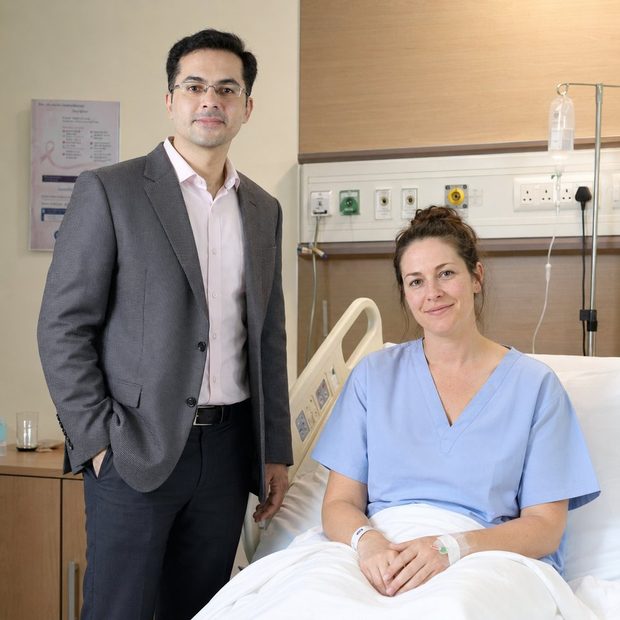
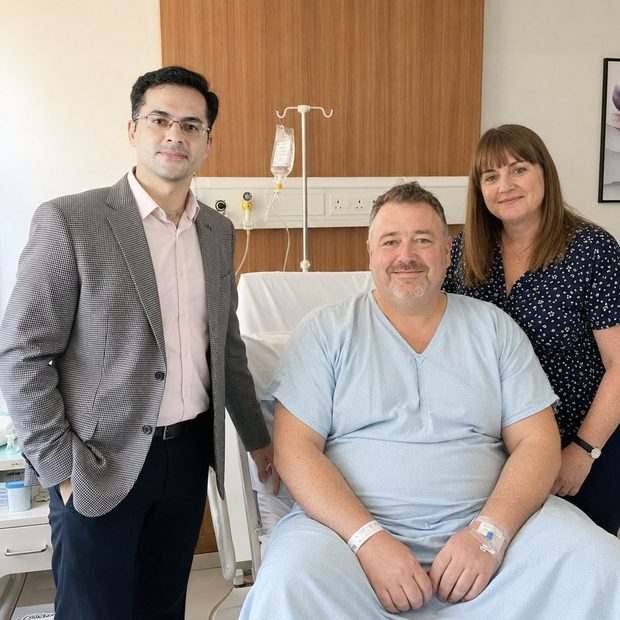
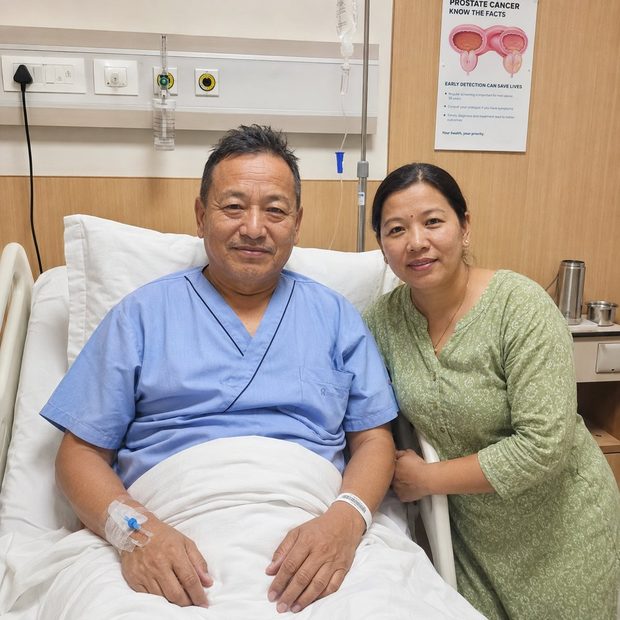
Health care in India is comparable too much that is available in the United States, and at a far lower cost. Medical procedures in India cost approximately 20% to 30% compare to the ones in U.S. Endopyelotomy surgeons in India are experts of surgery field, also they provide treatment to patients with specialist-led care planning.
Thus many international patients are attracted to India for their surgical treatment.
Selection of an experienced Endopyelotomy surgeon plays very important role in getting safe and successful surgical treatment to your problem. Endopyelotomy surgery is done to open up a narrowing of the ureter. This is the tube that goes from patient’s kidney to patient’s bladder. A nephrostomy tube is passed through an incision in patients back into patient’s kidney.
A ureteric stent is then passed through the nephrostomy tube into the ureter. This stent makes sure that urine drains from the kidney to bladder. The nephrostomy tube may be removed after patient’s stent is in place. Patient’s stent will stay in place for a few weeks. Two approaches are commonly used for Endopyelotomy; both these techniques are performed under general anesthesia.
Patient will be required to stay in the hospital for couple of days following the Endopyelotomy procedure: Antegrade Endopyelotomy and Retrograde Endopyelotomy.
Benefits of endopyelotomy surgery involves short hospital stay, faster recovery, less pain during post-operative period following endopyelotomy, less need for pain medication, quicker return to normal activity and work, and smaller incisions and less scarring.
Risks of Endopyelotomy Surgery involves failure of the operation, excessive bleeding, infection at the operation site or the urinary tract and injury to other organs and tissues.
Once you have selected an expert surgeon for your treatment then the risks involved with the surgery could be lower almost negotiable as most advanced surgical techniques are being used nowadays for treatment of patients. Because of there advanced facilities, many international patients are attracted to India for their low cost and safe surgical treatment.
When This Care Is Considered
Medical tourism in India provides coordinated assistance to international patients for their low cost and safe endopyelotomy surgeons in India.
Unlike many of its competitors in medical tourism, along with World-renowned consultants and surgeons, India also has the technological sophistication and infrastructure to maintain its market niche and Indian pharmaceuticals meet the stringent requirements of the U.S. food and drug administration.
Endopyelotomy surgery cost depends on the particular surgery that is being performed, its complications and also depends on specific hospitals and geographical areas and even countries. For e.g. In India Endopyelotomy surgery is performed at a very low cost, compared to countries like U.S.
Patients planning to undergo endopyelotomy surgery should make sufficient inquiries to their doctor regarding the surgery, surgery procedures, risks, cost estimates and alternate treatments available etc.
What Patients Should Confirm
Patients should confirm the diagnosis, recent reports, current medicines, expected treatment pathway, hospital stay, recovery time, and follow-up plan before travel.
Before requesting a medical opinion, keep recent reports, imaging files, discharge summaries, prescriptions, and a short symptom timeline ready. This helps the specialist review the case without unnecessary back-and-forth.
Travel And Follow-Up Planning
International patients should ask about visa documents, attendant needs, estimated hospital stay, nearby accommodation, fitness-to-fly advice, and how follow-up will continue after returning home.
Forerunners Healthcare can coordinate hospital options, doctor review, appointment planning, travel support, and cost estimates while keeping the final medical decision with the treating specialist.
Care Planning Checklist
Before confirming treatment, patients should share recent reports, imaging, prescriptions, allergy details, previous discharge summaries, and a short timeline of symptoms or diagnosis. This helps the hospital team give a clearer medical opinion and a more realistic cost estimate.
Patients should also confirm the expected hospital stay, attendant needs, visa documents, airport transfers, accommodation near the hospital, payment inclusions, and what may change if extra tests or a longer stay are required.
Follow-up planning should be discussed before travel. Ask what warning signs need urgent attention, when flying is usually reviewed, how medicines or dressings will be managed, and how the treating team will coordinate after the patient returns home.