Overview
Over weight and obesity are becoming more concerning issues for health. In fact many people are trying to maintain average weight by the various means such as exercise, dieting and medication. But it’s not always possible to keep weight under control with the above options. Then the only option to keep weight under control is weight loss surgery.
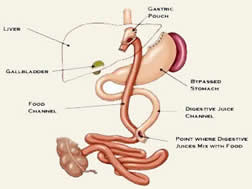
Weight loss surgery consists of various procedures such as lap band surgery or gastric banding, gastric bypass, sleeve gastrectomy. Obesity and over weight significantly increases the risk of many diseases, including heart disease and diabetes, and are associated with at least 112,000 deaths a year.
Indian surgeons for over weight surgery are highly respected specialists who are trained at top medical schools. Many obesity surgery hospitals in India are having a string of nursing and hospital management colleges and dual lifelines of pharmacies.
Indian Hospitals are having exceptionally clinical reported outcomes and superior technology with centuries-old traditions of Eastern care and warmth. Lap band surgery in India is performed by expert obesity surgeons who have achieved many milestones in the obesity area and this benefit is attracting abroad obesity patients.
Lap band surgery is offered for overweight or for obesity patients. The procedure of weight loss surgery depends upon the patients’ physical conditions. The band is placed laparoscopically “key hole surgery”. The band can be adjusted by injecting fluid into it as an outpatient. Reversible Hospital stays 2-3 days.
In this procedure a band made of silastic material is placed around the stomach near its upper end creating a small pouch and narrow passage into the larger remainder of the stomach. The surgery involves forming a small pouch in the upper part of the stomach that effectively becomes a new baby stomach.
The sialistic band is wrapped around the upper portion of stomach all around to form a "baby stomach". The narrow opening or stoma is formed by the bands two ends joining together. This band has a balloon on it which can be inflated or deflated in later stages so as to increase or decrease the size of stoma. This step makes the SAGB a stoma adjustable operation.
This can be done anytime after the operation with the help of port kept under the skin at the time of operation, now the food still goes down the normal way and is digested in the bowel normally. So you feel full after eating a small amount of solid food and your intake of food can be kept to two or three tiny meals a day with no desire to eat between meals.
Suitability And Evaluation
Medical tourism in India now a days is in the air. Because the cost required to do any surgery or any medical treatment in India is very low. Medical tourism in India always prefers to provide best medical treatment but at best affordable cost, because the budget is only the factor which compels the patient to think about surgery.
With your medical trip to India you may also enjoy the beauty of India by visiting various tourist places. Rich in history and culture, India has proved to be an oasis in the modern world, providing complete health and well being, while providing the latest in technology. India has kept pace with the latest technology and its application has been widely felt in the health industry.
What Patients Should Confirm
Patients should confirm medical fitness, BMI history, diabetes or sleep-apnea status, nutritional review, and the lifestyle plan expected after the procedure.
Before requesting a medical opinion, keep recent reports, imaging files, discharge summaries, prescriptions, and a short symptom timeline ready. This helps the specialist review the case without unnecessary back-and-forth.
Travel And Follow-Up Planning
International patients should ask about visa documents, attendant needs, estimated hospital stay, nearby accommodation, fitness-to-fly advice, and how follow-up will continue after returning home.
Forerunners Healthcare can coordinate hospital options, doctor review, appointment planning, travel support, and cost estimates while keeping the final medical decision with the treating specialist.
Care Planning Checklist
Before confirming treatment, patients should share recent reports, imaging, prescriptions, allergy details, previous discharge summaries, and a short timeline of symptoms or diagnosis. This helps the hospital team give a clearer medical opinion and a more realistic cost estimate.
Patients should also confirm the expected hospital stay, attendant needs, visa documents, airport transfers, accommodation near the hospital, payment inclusions, and what may change if extra tests or a longer stay are required.
Follow-up planning should be discussed before travel. Ask what warning signs need urgent attention, when flying is usually reviewed, how medicines or dressings will be managed, and how the treating team will coordinate after the patient returns home.