Overview
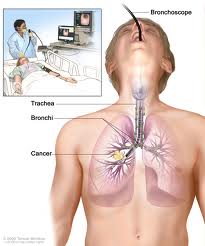
For getting safe and comfortable surgical treatment, it is very important to get the surgery done in a reputed lung cancer surgery hospital. Lung cancer is a disease of uncontrolled cell growth in tissues of the lung. This growth may lead to metastasis, which is invasion of adjacent tissue and infiltration beyond the lungs.
The vast majority of primary lung cancers are carcinomas of the lung, derived from epithelial cells. Lung cancer, the most common cause of cancer-related death in men and the second most common in women, is responsible for 1.3 million deaths worldwide annually. The most common symptoms are shortness of breath, coughing, and weight loss.
Early lung cancer often does not cause any symptoms. But as the cancer grows, common symptoms starts appearing and it is required that cancer should be treated as early as possible to avoid further danger.
The symptoms include a cough that gets worse or does not go away, breathing trouble, such as shortness of breath, constant chest pain, coughing up blood, a hoarse voice, frequent lung infections, such as pneumonia, feeling very tired all the time, weight loss with no known cause. The choice of treatment depends mainly on the type of lung cancer and its stage.
People with lung cancer may have surgery, chemotherapy, radiation therapy, targeted therapy, or a combination of treatments. Also, according to the condition of patient, stage of cancer and the result of tests the suitable treatment can be decided.
A treatment of lung cancer surgery is very complex and it requires an expert in the field of cancer surgeries for the treatment so that there should not be any complications. There are some side effects of surgery depend mainly on the type of radiation therapy, the dose of radiation, and the part of your body that is treated.
But with different advanced techniques, these problems can be overcome.
Diagnosis And Staging
Medical tourism in India provides coordinated assistance to international patients for their comfortable medical trip to India. The lung cancer surgery association in India has been suggesting measures to the Indian surgeons to adopt means to provide good quality and cost effective cancer surgeries in India and contribute to international healthcare.
With the availability of internationally accredited lung cancer surgery hospitals in India, certified cancer surgeons, along with low cost of cancer treatment, many international patients are attracted to India for their cancer surgery.
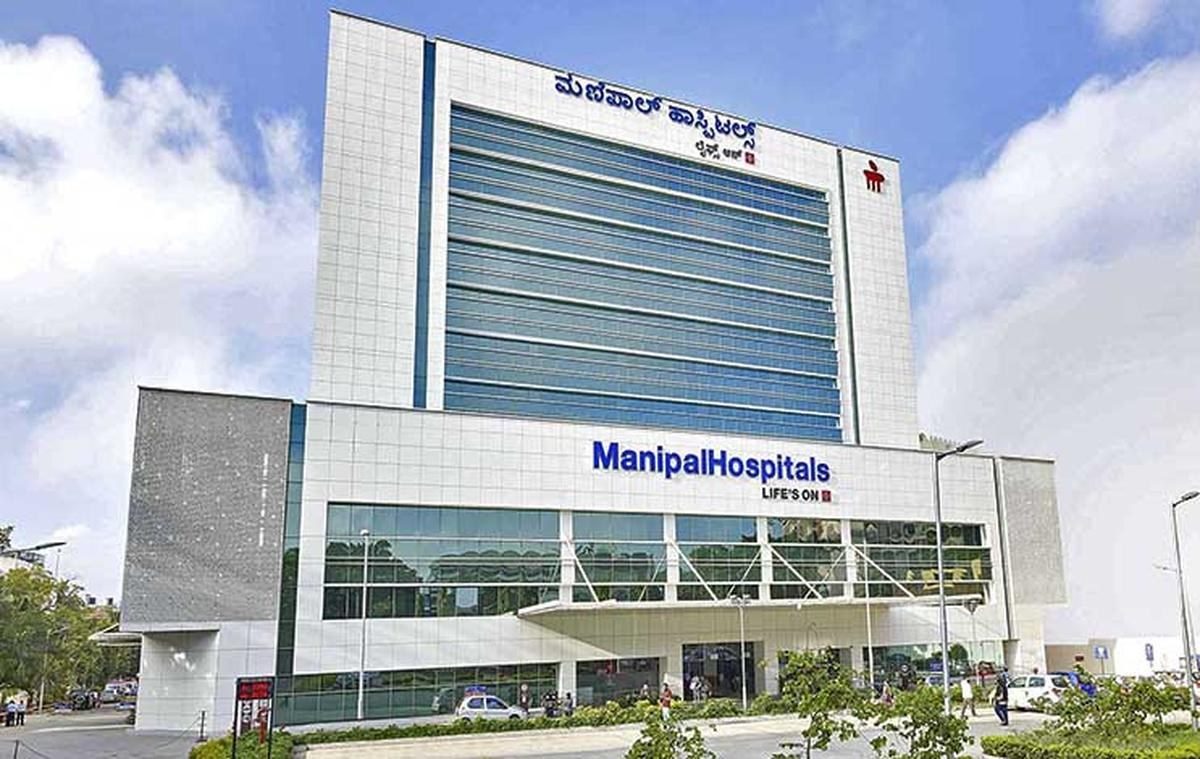
Lung cancer surgery hospitals in India at Delhi, Hyderabad, Bangalore, Pune and Mumbai provide very good clinical care to patients for their safe and comfortable treatment in India.
What Patients Should Confirm
Patients should confirm the diagnosis, stage, biopsy summary, imaging reports, and whether the plan includes surgery, chemotherapy, radiation, targeted therapy, or a combination.
Before requesting a medical opinion, keep recent reports, imaging files, discharge summaries, prescriptions, and a short symptom timeline ready. This helps the specialist review the case without unnecessary back-and-forth.
Travel And Follow-Up Planning
International patients should ask about visa documents, attendant needs, estimated hospital stay, nearby accommodation, fitness-to-fly advice, and how follow-up will continue after returning home.
Forerunners Healthcare can coordinate hospital options, doctor review, appointment planning, travel support, and cost estimates while keeping the final medical decision with the treating specialist.
Care Planning Checklist
Before confirming treatment, patients should share recent reports, imaging, prescriptions, allergy details, previous discharge summaries, and a short timeline of symptoms or diagnosis. This helps the hospital team give a clearer medical opinion and a more realistic cost estimate.
Patients should also confirm the expected hospital stay, attendant needs, visa documents, airport transfers, accommodation near the hospital, payment inclusions, and what may change if extra tests or a longer stay are required.
Follow-up planning should be discussed before travel. Ask what warning signs need urgent attention, when flying is usually reviewed, how medicines or dressings will be managed, and how the treating team will coordinate after the patient returns home.