
Overview
There are many reasons to lose weight and maintain a healthy lifestyle. Some people have serious health concerns. Others want to feel better about their appearance. Many are simply tired of the burden of being overweight and want to improve their daily quality of life. Weight loss surgery is a life-altering decision — one of the most important decisions a person will ever make.
Obesity is a serious disease process, in which the accumulation of fatty tissue on the body becomes excessive, and interferes with, or injures the other body organs, causing serious and life-threatening health problems, which are called co-morbidities.
Obesity surgery requires a well experienced surgeon to treat and of course recent developed technology all this are essential to have successful treatment of obesity. Obesity surgery is done in many developed countries but the country which has treated maximum number of obesity patients is India.
Because obesity surgeons in India have shown good potential in the area of obesity, more over the cost required for obesity surgery in India is almost half than any western countries but with same the advanced hospitality.
There are several weight loss surgeries available today such as gastric banding, sleeve gastrectomy and gastric bypass. Gastric Banding: The surgery involves forming a small pouch in the upper part of the stomach that effectively becomes a new baby stomach.
The sialistic band is wraped around the upper portion of stomach all around to form a "baby stomach." The narrow opening or stoma is formed by the bands two ends joining together. This band has a balloon on it which can be inflated or deflated in later stages so as to increase or decrease the size of stoma.
This can be done anytime after the operation with the help of port kept under the skin at the time of operation, now the food still goes down the normal way and is digested in the bowel normally.
The big difference is that the pouch will only allow a very small amount to be fitted in at one time and when this happens satisfaction is achieved and hunger will subside until the pouch eventually empties into the duodenum. Gastric Bypass: Gastric pouch 30 ml. Part of small intestine is bypassed. Greater weight loss. Hospital stays 5-7 days Vitamin mineral supplementation required.
In this procedure a small stomach pouch is created by stapling the stomach. This causes restriction of the food intake. Next a “Y” shaped section of the small intestine is attached to the pouch to allow food to by-pass the first part of small intestine. This causes reduced calorie and nutrient absorption.
Sleeve Gastrectomy: With this procedure, the surgeon removes approximately 60 per cent of the stomach laparoscopic ally so that the stomach takes the shape of a tube or "Sleeve". Technically most of these procedures are reversible but it is not advisable to contemplate reversal as person can regain the loss weight.
Band slippage incidence has reduced with the modified band placement technique, improved band design and standardization of band adjustment protocol. Bariatric surgery continues to benefit people struggling with morbid obesity, most importantly it saves lives.
Suitability And Evaluation
The medical faculties of India in collaboration with Indian medical tourism industry are working together to provide cost-effective treatment to people across the globe. With the privatization of medical care in India has evolved a recent and popular trend of medical treatment in India along with the fun of a vacation, better known as medical tourism in India.
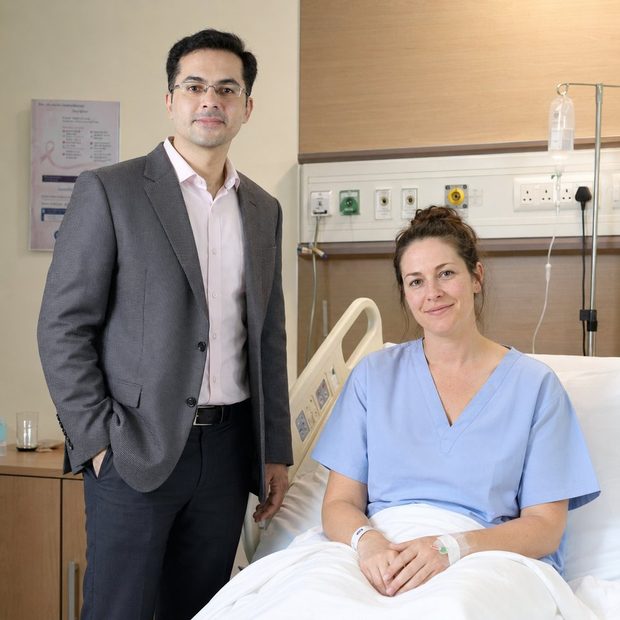
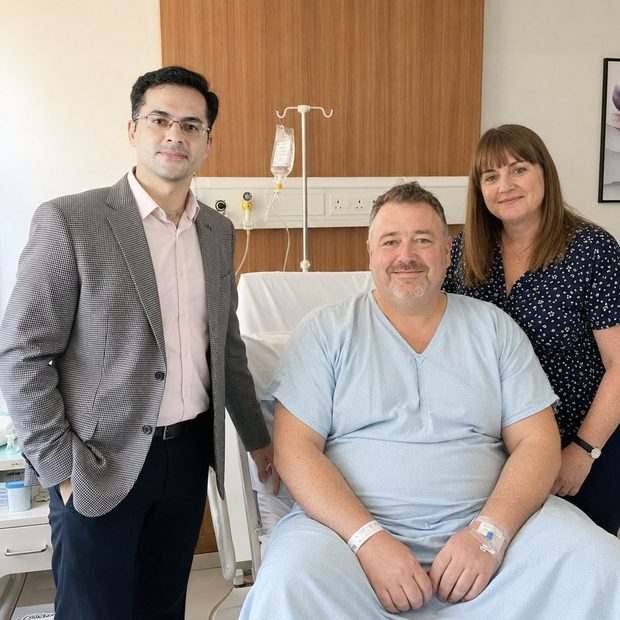
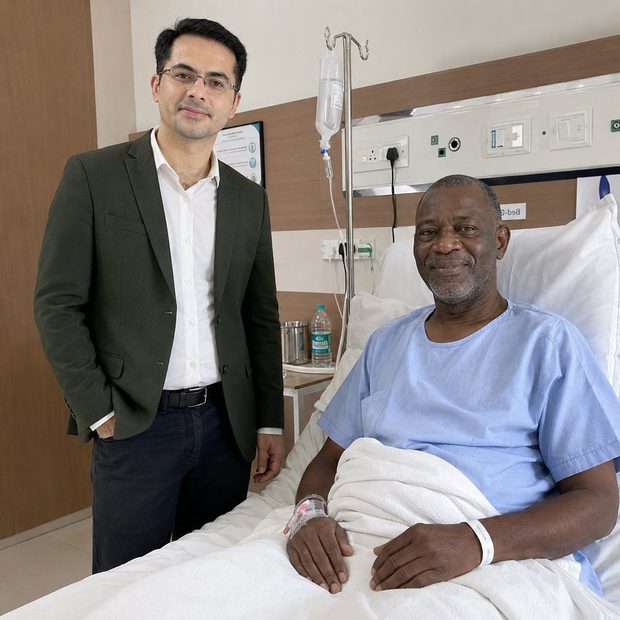
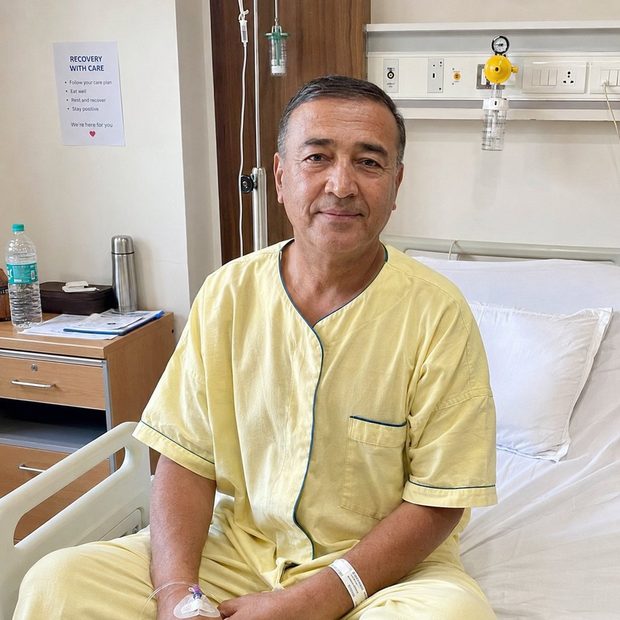
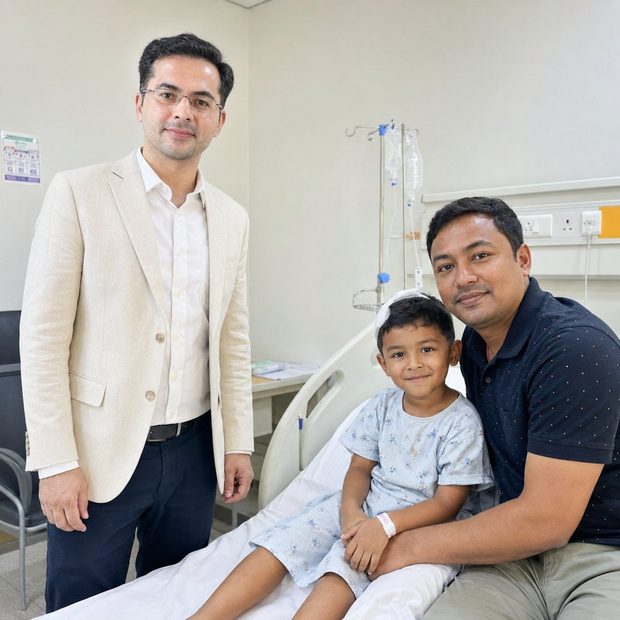
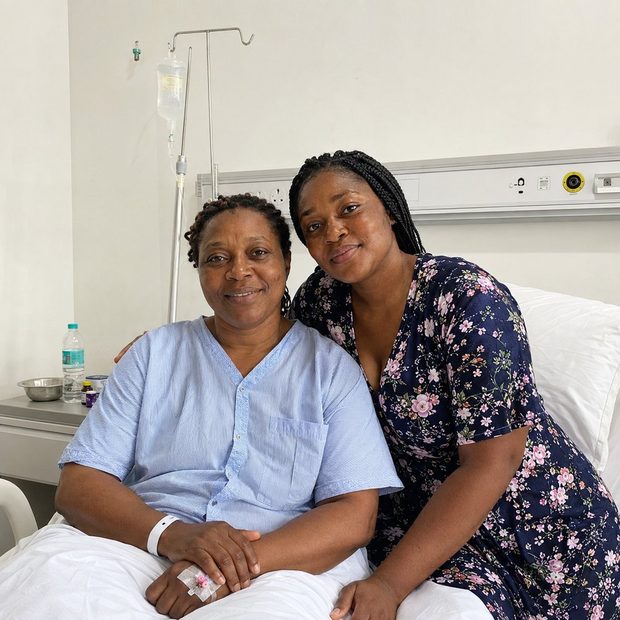
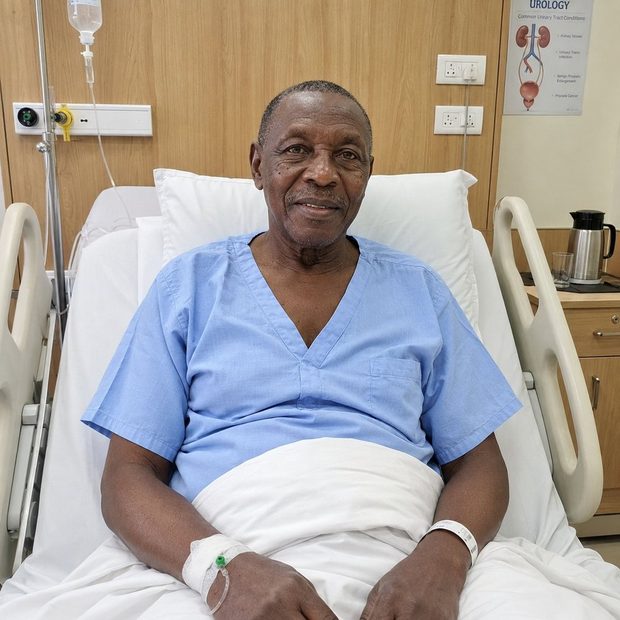
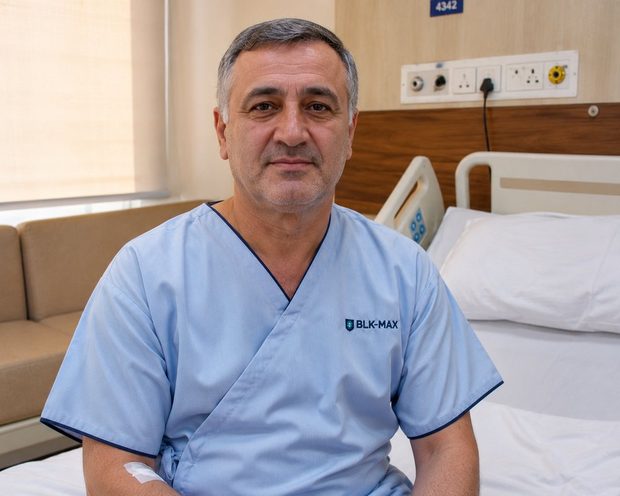
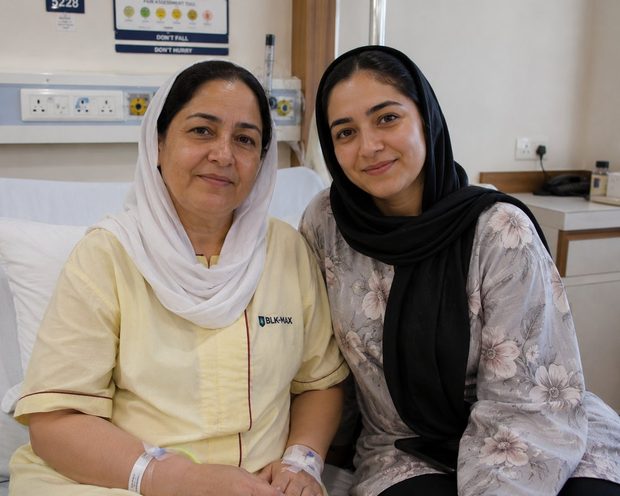
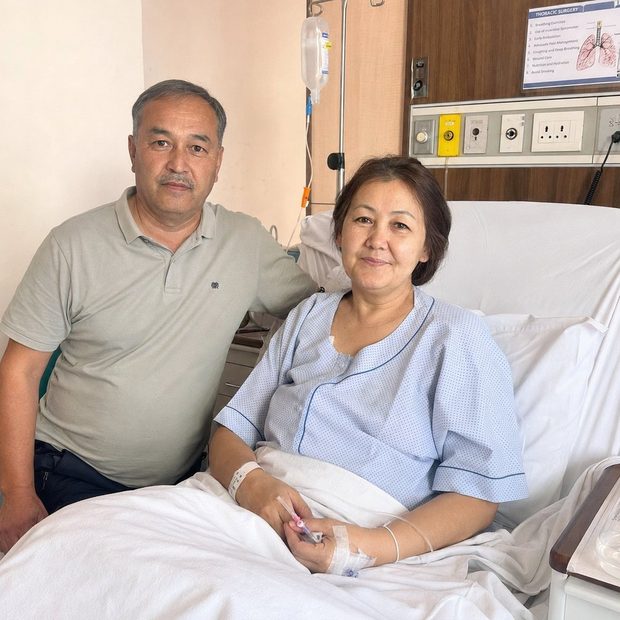
India best known as a tourist's paradise offers a choice of beaches, majestic palaces, refreshing hill stations and more. With the new trend of medical tourism in India, now vacationers can enjoy a rejuvenating holiday and can also avail advanced medical treatment of different sorts. Many patients treated with obesity surgery have given their best wishes to Indian hospitality,
What Patients Should Confirm
Patients should confirm medical fitness, BMI history, diabetes or sleep-apnea status, nutritional review, and the lifestyle plan expected after the procedure.
Before requesting a medical opinion, keep recent reports, imaging files, discharge summaries, prescriptions, and a short symptom timeline ready. This helps the specialist review the case without unnecessary back-and-forth.
Travel And Follow-Up Planning
International patients should ask about visa documents, attendant needs, estimated hospital stay, nearby accommodation, fitness-to-fly advice, and how follow-up will continue after returning home.
Forerunners Healthcare can coordinate hospital options, doctor review, appointment planning, travel support, and cost estimates while keeping the final medical decision with the treating specialist.
Care Planning Checklist
Before confirming treatment, patients should share recent reports, imaging, prescriptions, allergy details, previous discharge summaries, and a short timeline of symptoms or diagnosis. This helps the hospital team give a clearer medical opinion and a more realistic cost estimate.
Patients should also confirm the expected hospital stay, attendant needs, visa documents, airport transfers, accommodation near the hospital, payment inclusions, and what may change if extra tests or a longer stay are required.
Follow-up planning should be discussed before travel. Ask what warning signs need urgent attention, when flying is usually reviewed, how medicines or dressings will be managed, and how the treating team will coordinate after the patient returns home.