
Overview
Obesity is emerging as a health epidemic around the world. According to the centers for disease control and prevention, obesity is rapidly spreading across all regions and demographic groups. Obesity is an excess of total body fat, which results from caloric intake that exceeds energy usage.
Obesity surgery is being performed in various countries by various weight loss procedures and the countries are U.S.A, U.K, Canada, India and many more. No doubt the quality of hospitality in above countries is at par but the thing which asks to have obesity surgery in India is cost that matters.
Cost required for obesity surgery in India almost half than the cost required for obesity surgery in Western countries. Many obesity surgery hospitals in India having a string of nursing and hospital management colleges and dual lifelines of pharmacies.
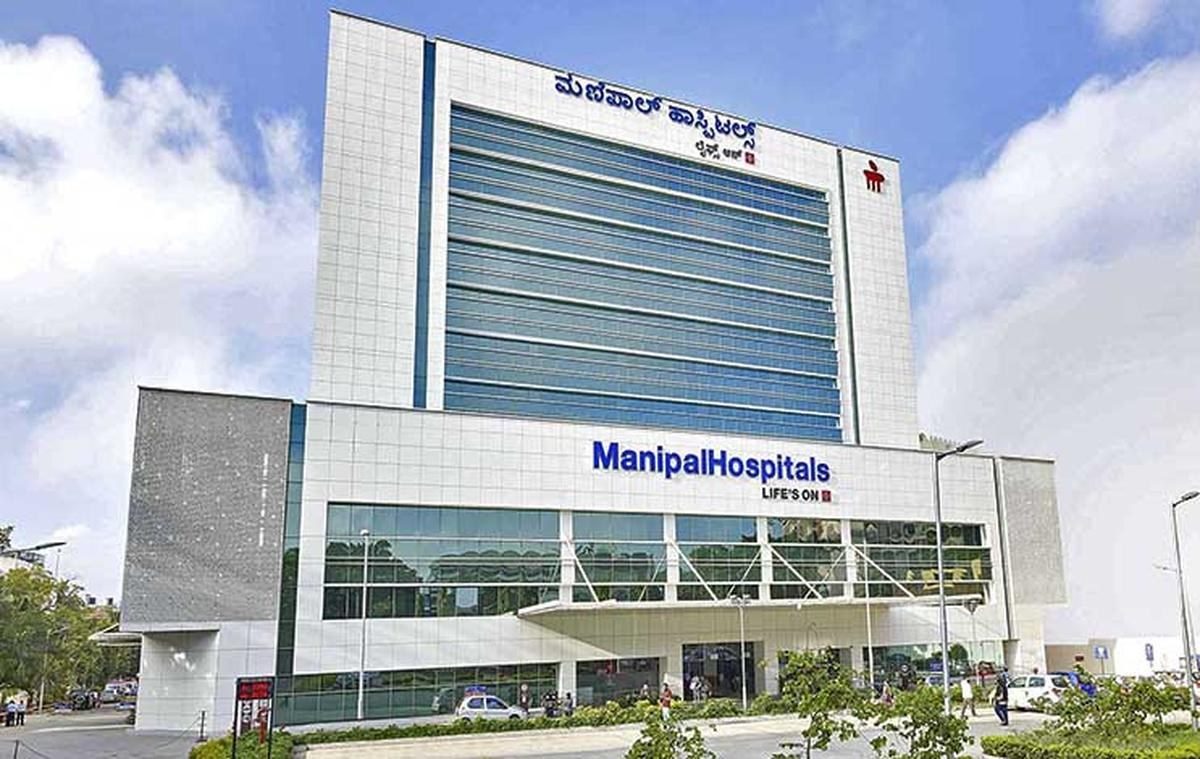
Indian Hospitals are having exceptionally clinical reported outcomes and superior technology with centuries-old traditions of Eastern care and warmth.
Weight loss surgery reduces the amount of food you can eat by reducing the size of your stomach or bypassing your stomach. There are several types of procedures in obesity surgery that can help you to lose weight and maintain weight loss. These include gastric band, gastric bypass, sleeve gastrectomy.
Gastric band: the procedure involves placing an adjustable band around the upper part of your stomach to create a pouch. The pouch fills up quickly and the food passes slowly through a gap, formed by the band, into the rest of the stomach. The food then passes normally through the rest of the digestive system.
Gastric bypass: Gastric bypass is a type of weight loss surgery that works by making your stomach smaller and removing part of your bowel to make your digestive system shorter. This means that you can only eat small meals and your body will take up fewer calories from the food you eat.
Sleeve gastrectomy is usually performed on extremely obese patients, with a body mass index of 60 or more, where the risk of performing a gastric bypass or duodenal switch procedure may be too large. A two-stage procedure is performed: the first is a sleeve gastrectomy, and the second is a conversion into a gastric bypass or duodenal switch.
Patients usually lose a large quantity of their excess weight after the first sleeve gastrectomy procedure.
Suitability And Evaluation
Medical tourism in India is an ultimate option, if you’re planning to go to India for your medical treatment. Because you are going to have medical treatment with great quality at low cost which is less than half which you could have been charged in your own country.
You are able to save even after spending amount for your travel in India .Now a days India has become most preferred destination for medical treatment. Because of its unique features. Having low cost doesn’t mean having low quality the doctors in India are expert in their respective medical field. The hospitals in India are well equipped with recent developed technology.
This makes medical treatment more efficient by saving money and by reducing hospitalization period.
What Patients Should Confirm
Patients should confirm medical fitness, BMI history, diabetes or sleep-apnea status, nutritional review, and the lifestyle plan expected after the procedure.
Before requesting a medical opinion, keep recent reports, imaging files, discharge summaries, prescriptions, and a short symptom timeline ready. This helps the specialist review the case without unnecessary back-and-forth.
Travel And Follow-Up Planning
International patients should ask about visa documents, attendant needs, estimated hospital stay, nearby accommodation, fitness-to-fly advice, and how follow-up will continue after returning home.
Forerunners Healthcare can coordinate hospital options, doctor review, appointment planning, travel support, and cost estimates while keeping the final medical decision with the treating specialist.
Care Planning Checklist
Before confirming treatment, patients should share recent reports, imaging, prescriptions, allergy details, previous discharge summaries, and a short timeline of symptoms or diagnosis. This helps the hospital team give a clearer medical opinion and a more realistic cost estimate.
Patients should also confirm the expected hospital stay, attendant needs, visa documents, airport transfers, accommodation near the hospital, payment inclusions, and what may change if extra tests or a longer stay are required.
Follow-up planning should be discussed before travel. Ask what warning signs need urgent attention, when flying is usually reviewed, how medicines or dressings will be managed, and how the treating team will coordinate after the patient returns home.