
Overview
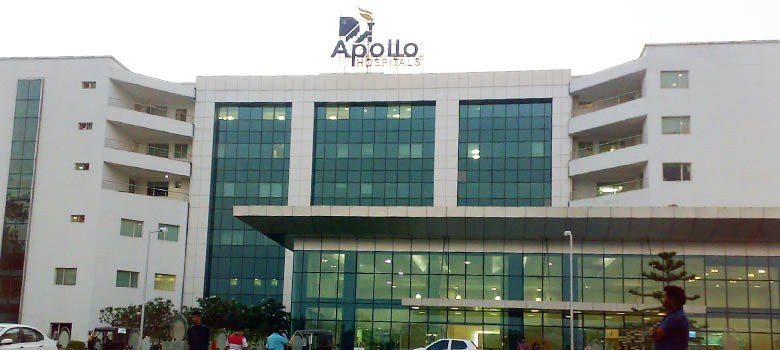
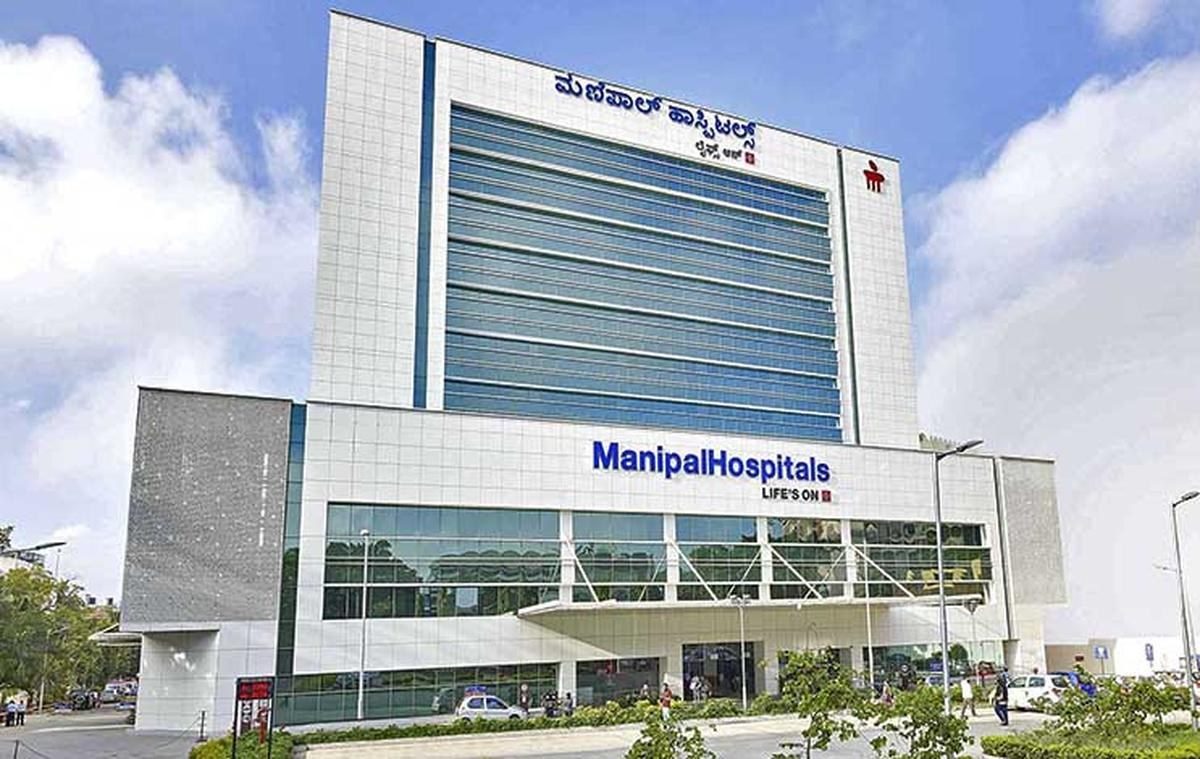
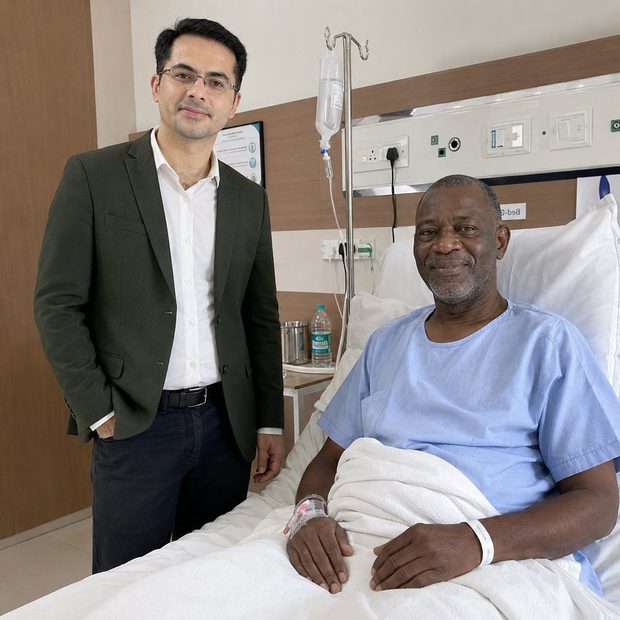
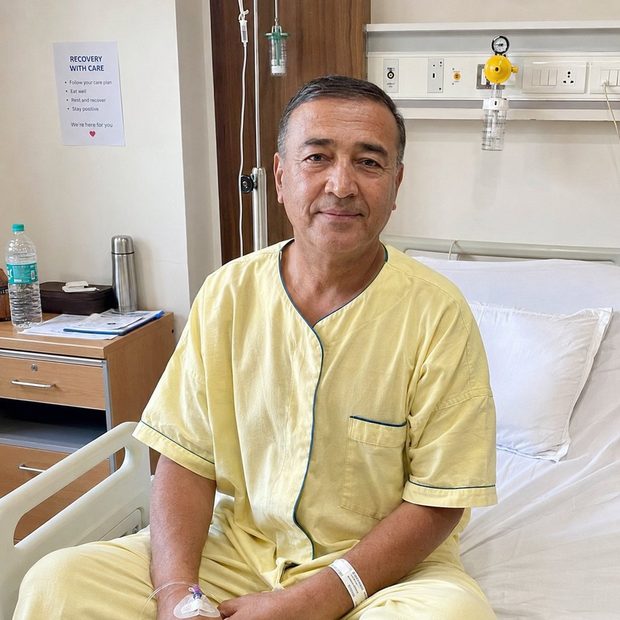
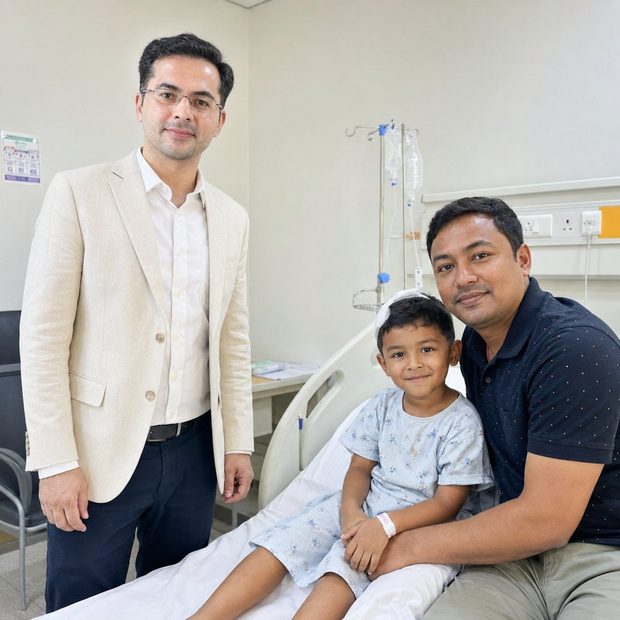
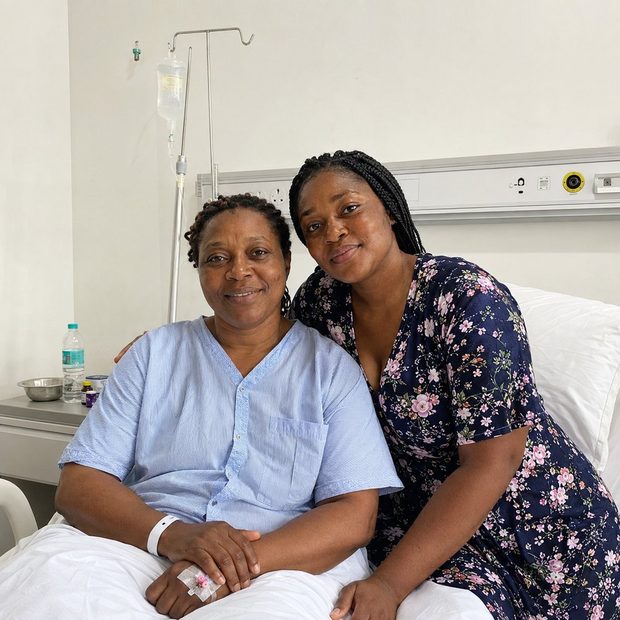
Orthopedic surgery in India at Delhi, Chennai and Bangalore brings many new surgical techniques for the correction orthopedic problems like knee disorders, shoulder and hip fractures etc. Commonly these problems occur in body at knee, shoulder and hip region. Many surgical techniques are available in India for their correction.
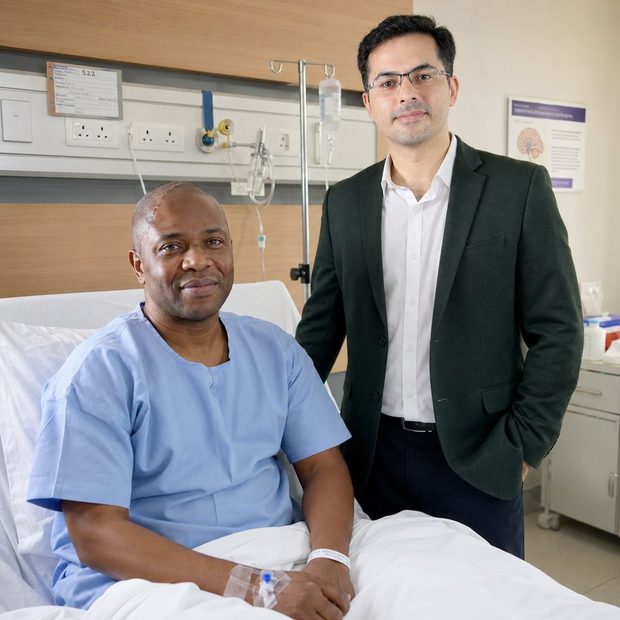
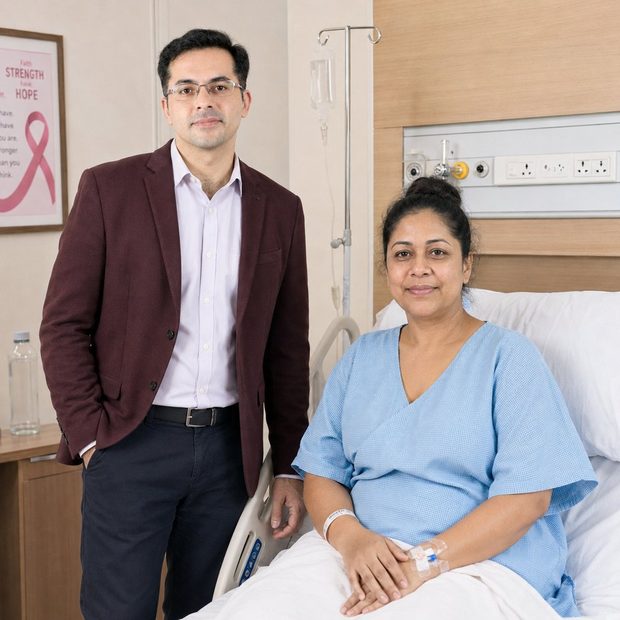
With orthopedic surgery in India you can get relief from all orthopedic disorders. Cost of orthopedic surgery at Indian hospitals is lower in comparison to that in abroad and it doesn't affect the quality standard of surgical treatment. Indian orthopedic surgery hospitals successfully treated many international patients at a cost which is affordable to all.
Watch a patient testimonial video who chose India for his knee replacement surgery.
Orthopedic surgery in India offers various joint repair procedures as per modern medical guidelines. Orthopedic surgery is the study of the musculoskeletal system. Orthopedic surgery is the medical specialty that encompasses the treatment of musculoskeletal injuries and conditions.
Orthopedic surgeons help patients with the diagnosis of problems associated with the bone, joints, ligaments, tendons, muscles, and nerves of the body. Orthopedic surgeons treat a variety of problems in all ages of patients.
Under orthopedic surgery there are many procedures that are used to cure the injuries and fractures of joints like knee replacement surgery, shoulder surgery and hip replacement surgery. Lately, Joint replacement surgery has become a commonplace procedure and is one of the most successful elective surgeries done today.
The surgery replaces severely damaged cartilage tissue with a prosthesis made of metal and plastic that duplicates the function of the joint. The commonest joints that need replacement are the knee , shoulder and hip.
Orthopedic surgery consist of various surgeries such as shoulder replacement, carpal tunnel release, tendon repairs, tendon grafts, tendon transfers, tenolysis, nerve grafts, neuroma excision, nerve tumors, fracture treatment, non-unions, scaphoid fractures, dislocations, wrist sprains and dislocations, rheumatoid hands, synovectomy, post burns deformity correction, post traumatic deformity correction, bone lengthening, congenital deformity correction, re-implantation, toe-transfers, micro vascular flaps, micro vascular muscle transfers.
Mobility And Pain Assessment
Many advanced medical treatment techniques are being used successfully in with a good reported outcome rate and are benefiting patients coming to India from all over. Medical tourism in India is offering less cost options for health recovery with all the arrangements of medical travel, medical visa and medical hospitalization.
The time required for the recovery of patients in India is lower and patients get back to their routine work within a couple of days after their surgery. With orthopedic surgery in India you can get relief from all problems relating to joints and bones. The most advanced and reputed orthopedic surgery hospitals in India are at Mumbai, Chennai, Delhi, Hyderabad and Bangalore.
For further details of affordable cost orthopedic surgery in India you may send your enquiries at https://www.fly2india4health.com/enquiry-form.html
What Patients Should Confirm
Patients should confirm pain level, mobility limits, imaging, implant or fixation plan, physiotherapy needs, and when flying or long travel is considered safe.
Before requesting a medical opinion, keep recent reports, imaging files, discharge summaries, prescriptions, and a short symptom timeline ready. This helps the specialist review the case without unnecessary back-and-forth.
Travel And Follow-Up Planning
International patients should ask about visa documents, attendant needs, estimated hospital stay, nearby accommodation, fitness-to-fly advice, and how follow-up will continue after returning home.
Forerunners Healthcare can coordinate hospital options, doctor review, appointment planning, travel support, and cost estimates while keeping the final medical decision with the treating specialist.
Care Planning Checklist
Before confirming treatment, patients should share recent reports, imaging, prescriptions, allergy details, previous discharge summaries, and a short timeline of symptoms or diagnosis. This helps the hospital team give a clearer medical opinion and a more realistic cost estimate.
Patients should also confirm the expected hospital stay, attendant needs, visa documents, airport transfers, accommodation near the hospital, payment inclusions, and what may change if extra tests or a longer stay are required.
Follow-up planning should be discussed before travel. Ask what warning signs need urgent attention, when flying is usually reviewed, how medicines or dressings will be managed, and how the treating team will coordinate after the patient returns home.