
Overview
Over weight has become a great problem for today’s generation, this may be due to change in environmental conditions or due to change in lifestyle especially in dieting habits. And it has to be changed according to situation change of your life style because proper diet is the only way to be fit.
But some times due to hectic schedule it’s not possible to change your diet that may help you in proper digestion. But if you fail to maintain your digestion properly you may become prone to the risk of obesity or overweight.
Proper diet or regular exercise may help you up to certain extent to reduce your weight or to reduce excess fat of your body but when it becomes difficult to reduce your overweight or obesity after a certain age then the only option left is obesity surgery or weight loss surgery. Sleeve gastrectomy has proved as a perfect surgery to come out of the problem of obesity or overweight.
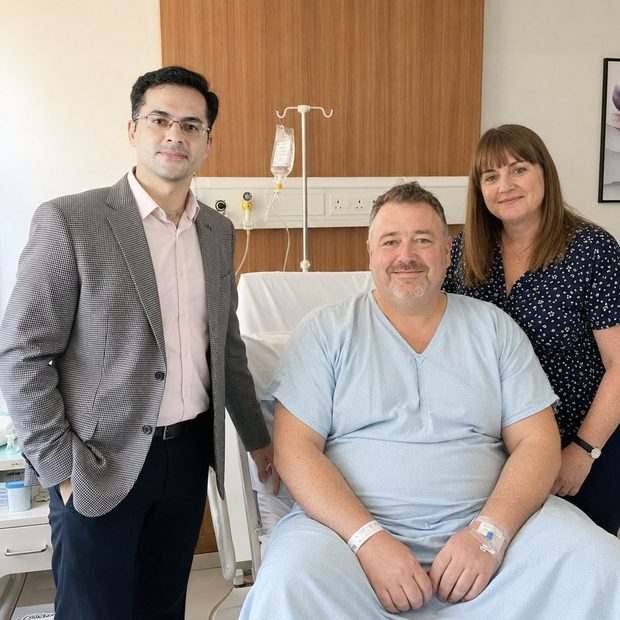
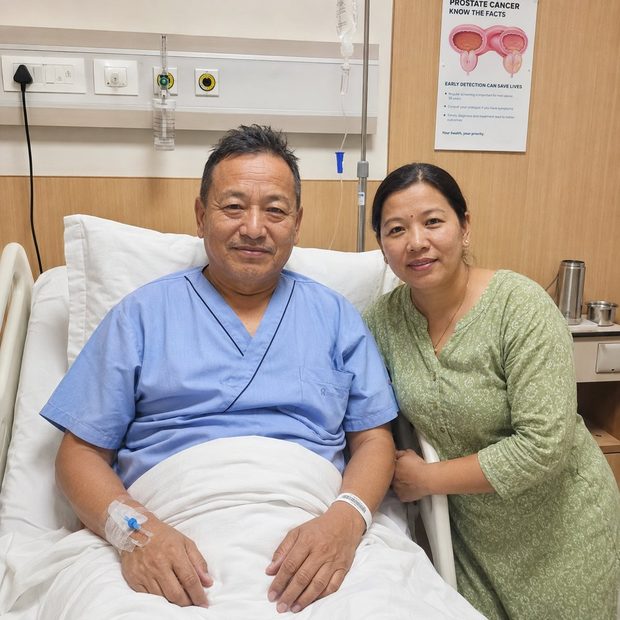
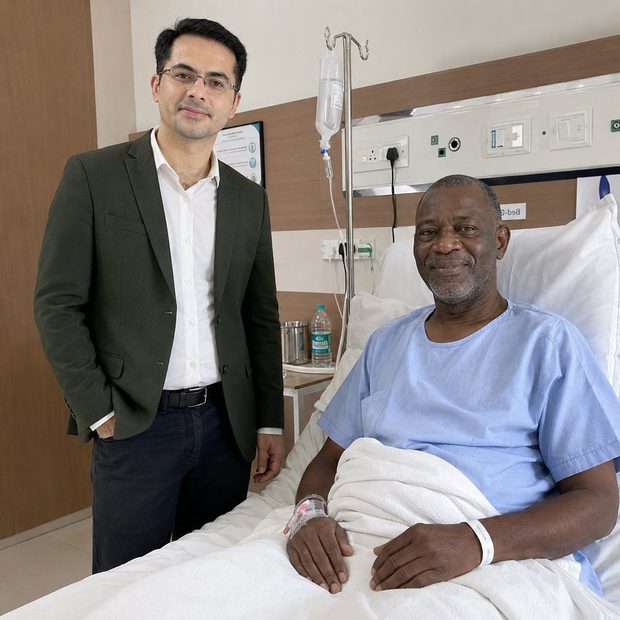
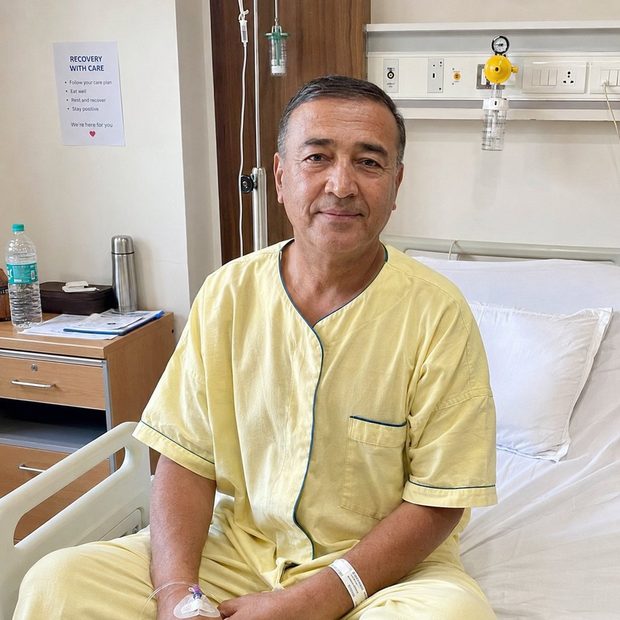
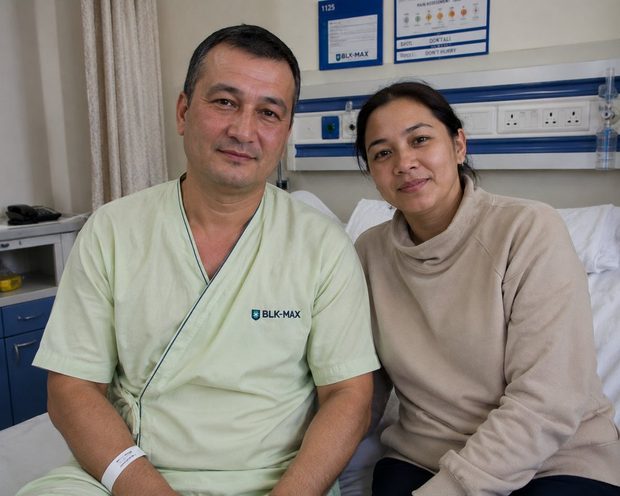
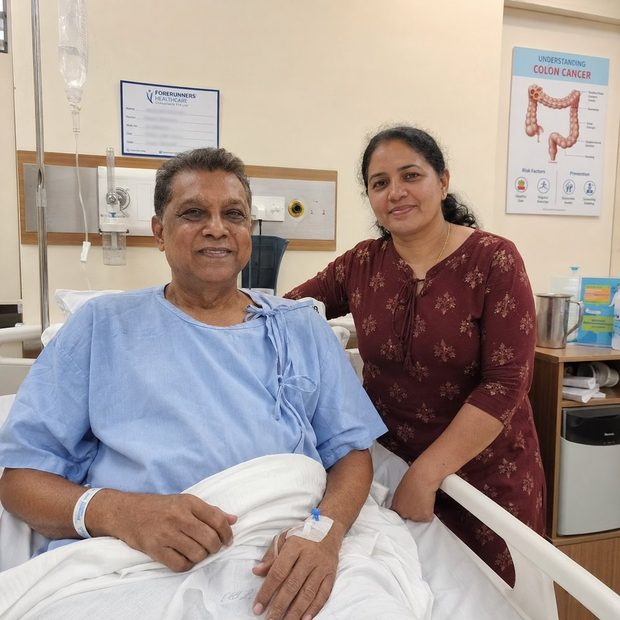
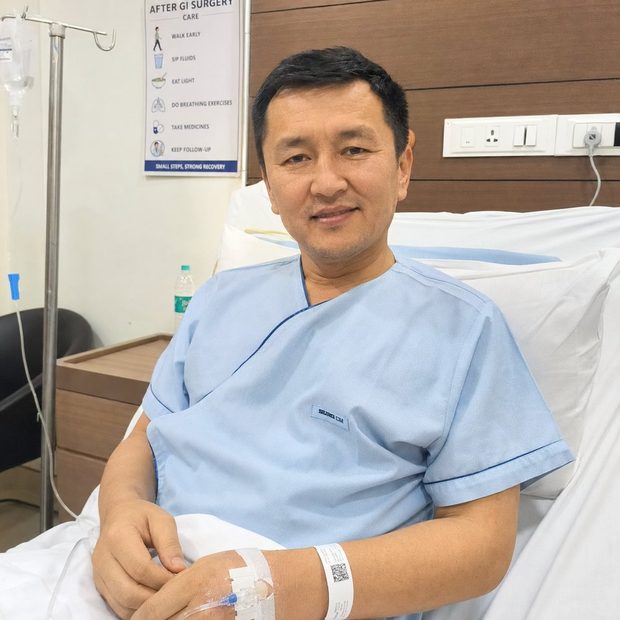
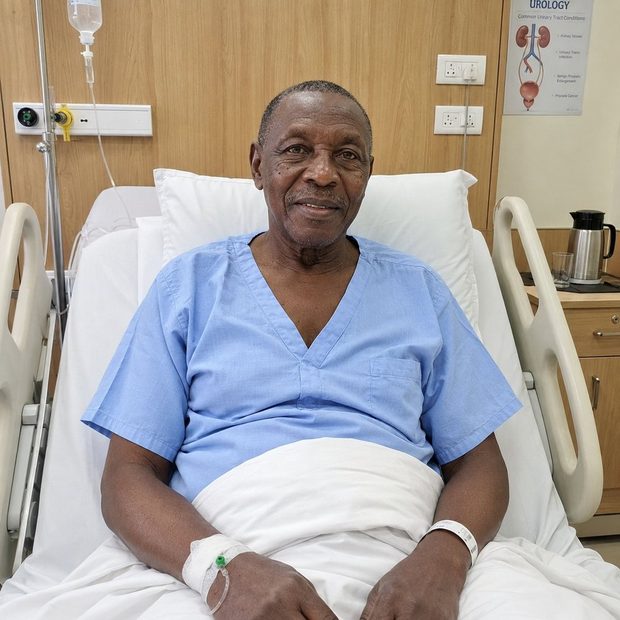
The country which has the most successive rate for sleeve gastrectomy is India. Sleeve gastrectomy in India can provide enormous cost savings and is generally performed in various advanced hospitals having JCI accredit certification. You may watch a patient testimonial of getting sleeve gastrectomy at Patient testimonials of sleeve gastrectomy in India.
You may be a good candidate for sleeve gastrectomy if you have a BMI (body mass index) more than 40 or more. With this procedure, the surgeon removes approximately 60 per cent of the stomach laparoscopically so that the stomach takes the shape of a tube or "Sleeve".
Technically most of these procedures are reversible but it is not advisable to contemplate reversal as person can regain weight loss. Band slippage incidence has reduced with the modified band placement technique, improved band design and standardization of band adjustment protocol.
Bariatric surgery continues to benefit people struggling with morbid obesity, most importantly it saves lives. But finally it is you who has to remember that "health is the thing that makes you feel that now is is the best time of the year”.
Suitability And Evaluation
As more and more patients from Europe, U.S.A and other affluent nations with high medical costs are looking for effective options, medical tourism in India is definitely on the cards for most of them and the fast growing Indian corporate health sector is fully geared to meet that need. The reasons why patients travel for treatment vary.
Many medical tourists from the United States are seeking treatment at a quarter or sometimes even a 10th of the cost. From Canada, people who are frustrated by long waiting times approach Indian surgeons for a timely medical appointment.
With the new trend of medical tourism in India, now vacationers can enjoy a rejuvenating holiday and can also avail advanced medical treatment of different sorts.
What Patients Should Confirm
Patients should confirm medical fitness, BMI history, diabetes or sleep-apnea status, nutritional review, and the lifestyle plan expected after the procedure.
Before requesting a medical opinion, keep recent reports, imaging files, discharge summaries, prescriptions, and a short symptom timeline ready. This helps the specialist review the case without unnecessary back-and-forth.
Travel And Follow-Up Planning
International patients should ask about visa documents, attendant needs, estimated hospital stay, nearby accommodation, fitness-to-fly advice, and how follow-up will continue after returning home.
Forerunners Healthcare can coordinate hospital options, doctor review, appointment planning, travel support, and cost estimates while keeping the final medical decision with the treating specialist.
Care Planning Checklist
Before confirming treatment, patients should share recent reports, imaging, prescriptions, allergy details, previous discharge summaries, and a short timeline of symptoms or diagnosis. This helps the hospital team give a clearer medical opinion and a more realistic cost estimate.
Patients should also confirm the expected hospital stay, attendant needs, visa documents, airport transfers, accommodation near the hospital, payment inclusions, and what may change if extra tests or a longer stay are required.
Follow-up planning should be discussed before travel. Ask what warning signs need urgent attention, when flying is usually reviewed, how medicines or dressings will be managed, and how the treating team will coordinate after the patient returns home.