Overview
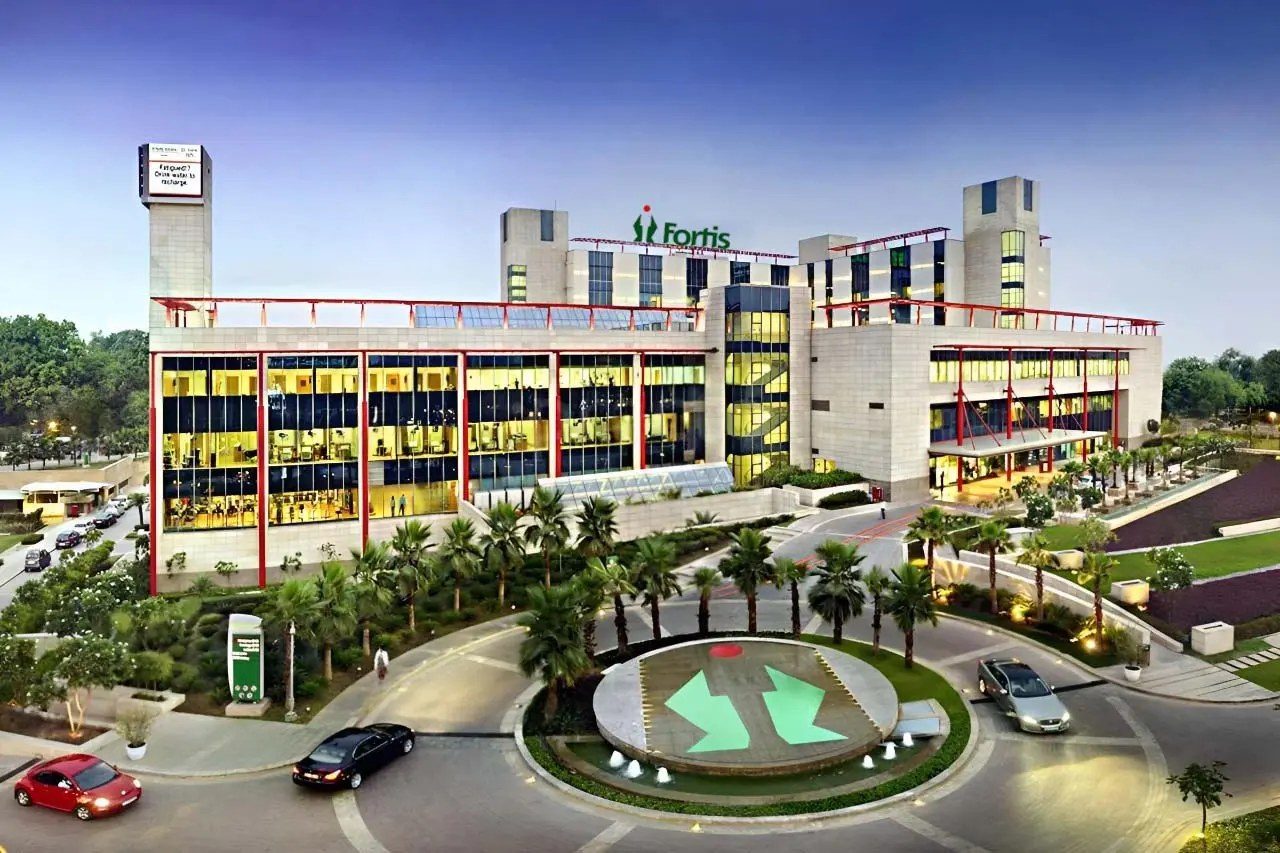
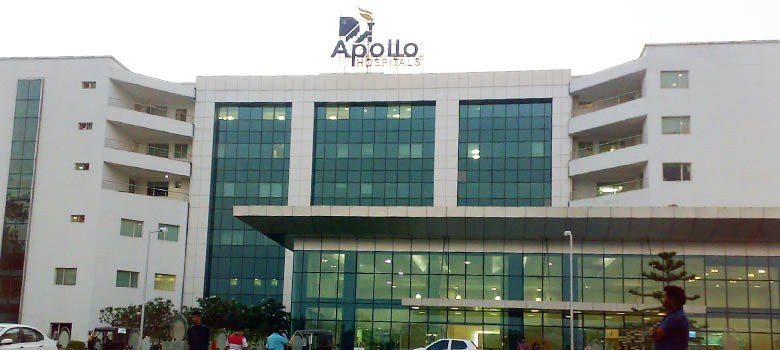
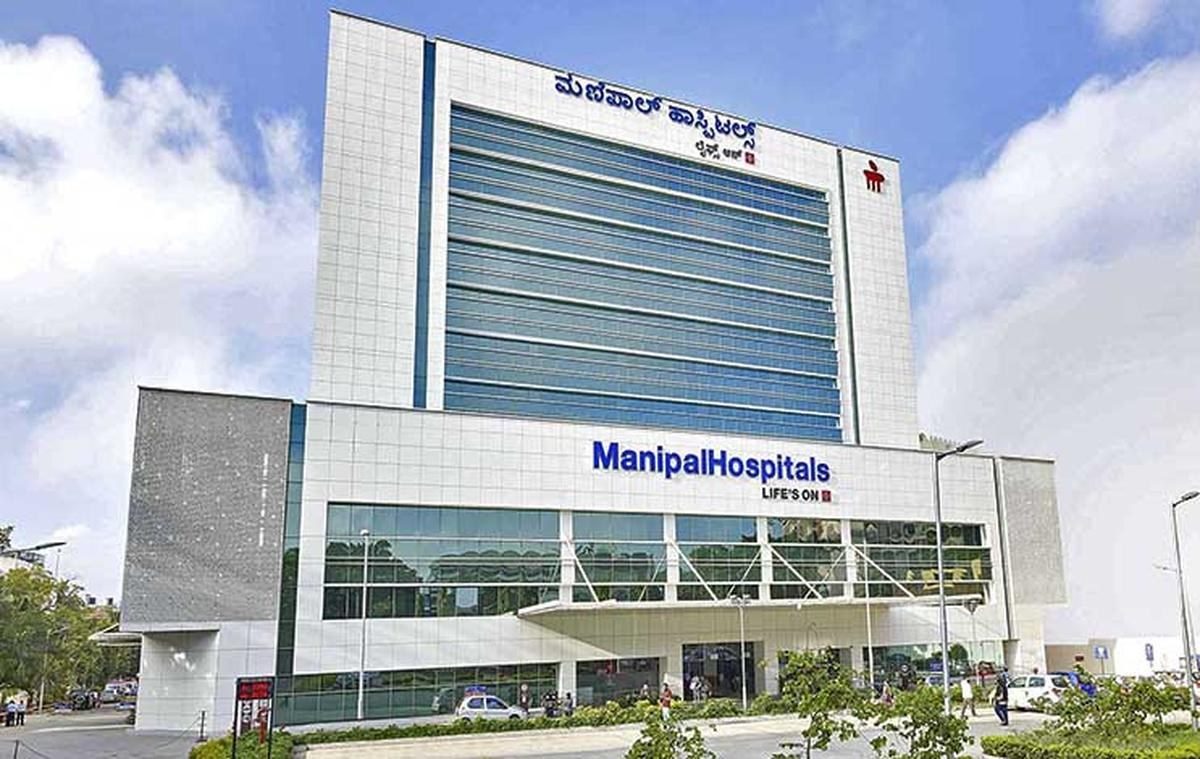
Spinal Tumor surgery in India is provided with best medical services, high quality equipment and modern technology by competent medical professionals. India has got the specialist in around the world and in India as well and also has got the world eminent doctors and hospitals where all the services are provided to the patients.
India harnessed its vast pool of skilled doctors and nurses along with access to the most modern medical technology at par with the best in the world. India enjoys the advantage of a skilled medical workforce fluent in English. All medical procedures including hospitalization and recovery are the best as compared to America and Europe.
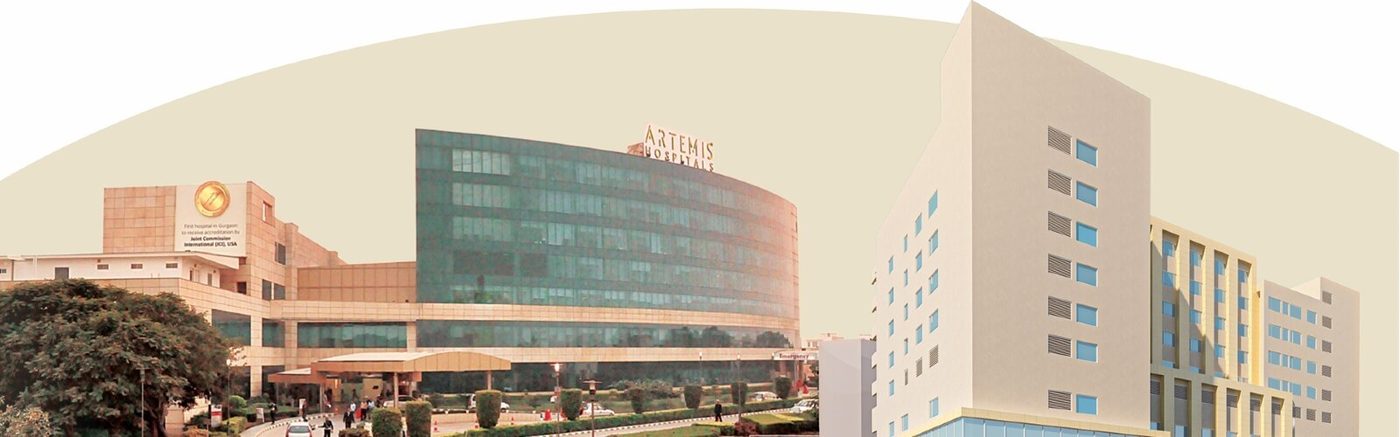
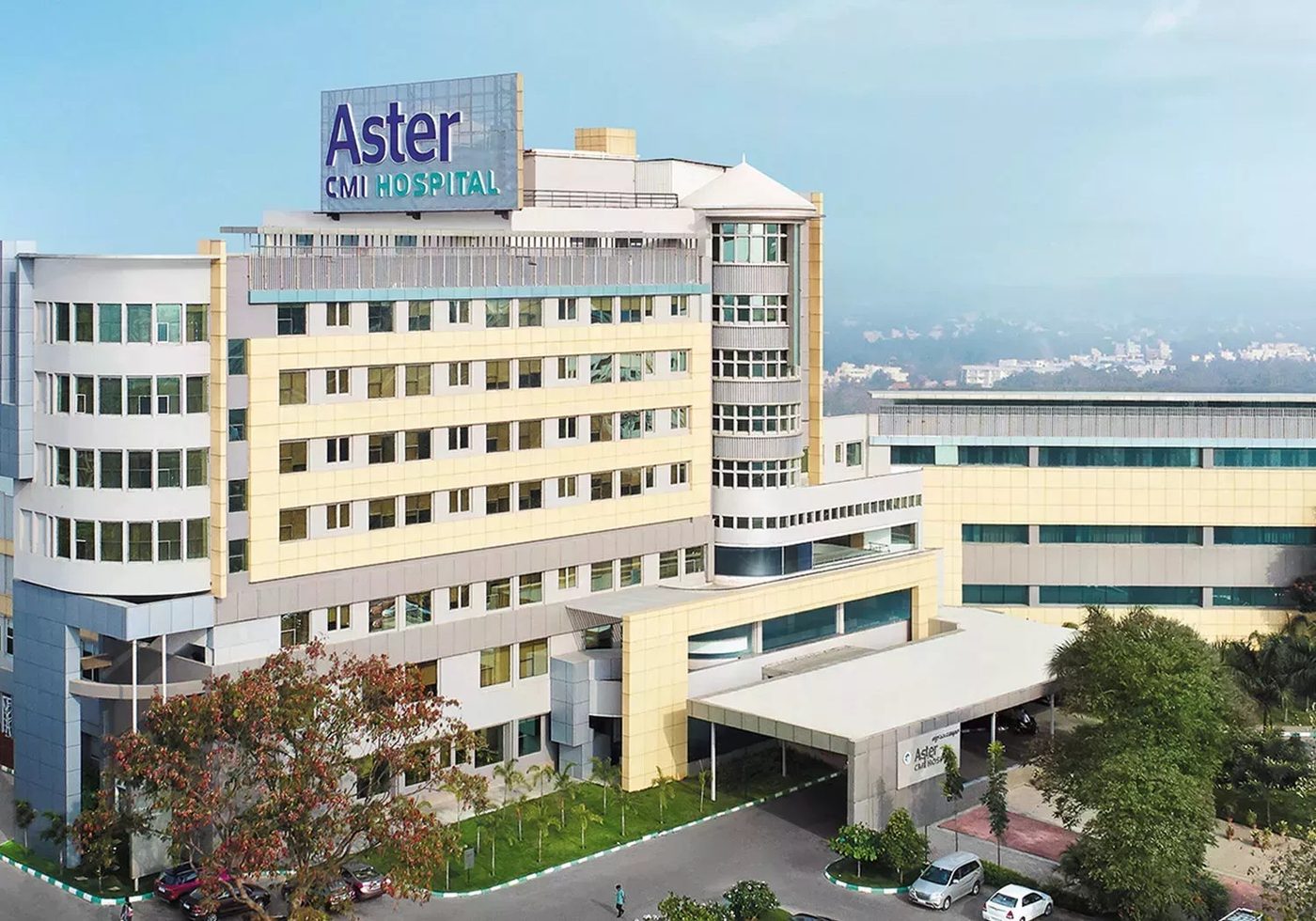
Hospitals providing Spinal Tumor surgery in India adhere to global quality standards for treatment and surgery.
What Is Spinal Tumor Surgery?
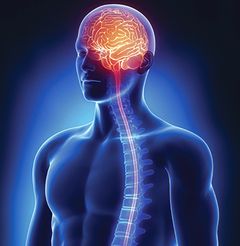
Spinal tumor rarely occurs and is either benign or malignant. Some tumors are known to metastasize (spread) via arteries, veins, the lymphatic system, and directly. A spinal tumor is a cancerous (malignant) or noncancerous (benign) growth that develops within or near your spinal cord or within the bones of your spine.
Although back pain is the most common indication of a spinal tumor, most back pain is associated with stress, strain and aging — not with a tumor. In most areas of your body, noncancerous tumors aren't particularly worrisome.
That's not necessarily the case with your spinal cord, where a spinal tumor or a growth of any kind can impinge on your nerves, leading to pain, neurological problems and sometimes paralysis. A spinal tumor, whether cancerous or not, can threaten life and cause permanent disability. Yet advances in spinal tumor treatment offer more options than ever before.
Symptoms Of Spinal Tumor
Depending on the location and type of spinal tumor, various signs and symptoms can develop, especially as a tumor grows and impinges on your spinal cord or on the nerve roots, blood vessels or bones of your spine. Signs and symptoms may include :
Treatment Options For Spinal Tumor
Recovery Post Spinal Tumor Surgery
Recovery post Spinal Tumor surgery depends on patient’s health before surgery. The patient's care is monitored by periodical office visits and re-evaluation by the treating physician. This is important because some tumors, benign or malignant, may reoccur. Usually when the treatment period has ended, the symptoms clear up.
Analgesics are given to control post-operative pain and cancer pain. Cancer pain may be difficult to control (e.g. 'break through pain'). A pain management specialist may provide assistance if conventional drugs (e.g. pill, skin patch) do not provide relief. Any surgery, radiation treatment, or chemotherapy can drain the patient nutritionally.
Therefore, a proper diet is important to regain strength, lost weight, and a measure of health. A professional nutritionist can provide guidance. Depending on the extent of the surgery and the patient's medical status, a course of physical therapy may be prescribed. Through exercise and modalities the patient can build strength, endurance, and flexibility.
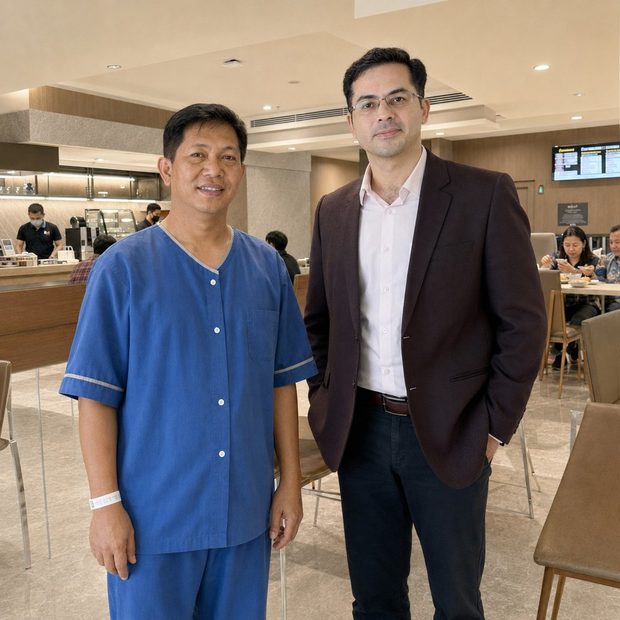
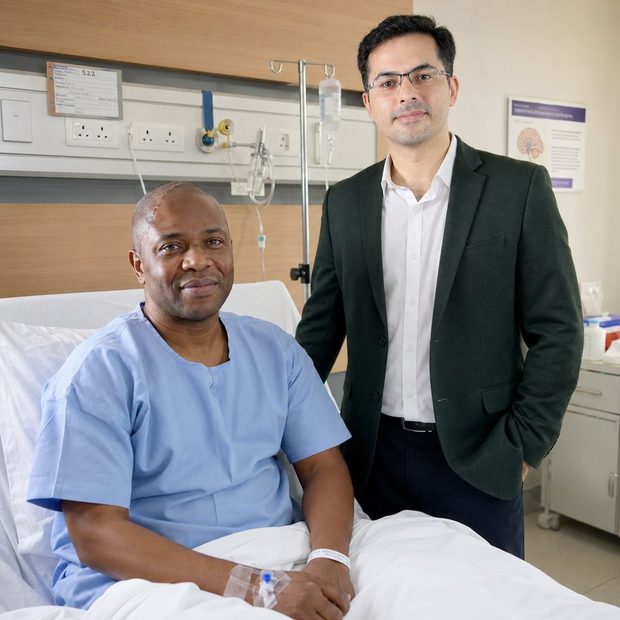
Hospitals providing Spinal Tumor surgery in India have Primary aim to facilitate the highest standard of quality medical treatment & patient care to international patients. India has originated as one of the most important hubs for medical tourism.
Many people from the developed countries come to India for the rejuvenation and top-class medical expertise which is helping more and more Indian corporate hospitals to lure foreign patients, including patients from developed nations such as the UK and the US, for high end surgeries.
As more and more patients from Europe, the USA and other affluent nations with high medical look for effective options, healthcare tourism in India is definitely on the cards for most of them and the fast growing Indian corporate health sector is fully geared to meet that need. To get more info on Spinal Tumor surgery in India
Care Planning Checklist
Before confirming treatment, patients should share recent reports, imaging, prescriptions, allergy details, previous discharge summaries, and a short timeline of symptoms or diagnosis. This helps the hospital team give a clearer medical opinion and a more realistic cost estimate.
Patients should also confirm the expected hospital stay, attendant needs, visa documents, airport transfers, accommodation near the hospital, payment inclusions, and what may change if extra tests or a longer stay are required.
Follow-up planning should be discussed before travel. Ask what warning signs need urgent attention, when flying is usually reviewed, how medicines or dressings will be managed, and how the treating team will coordinate after the patient returns home.