
Overview
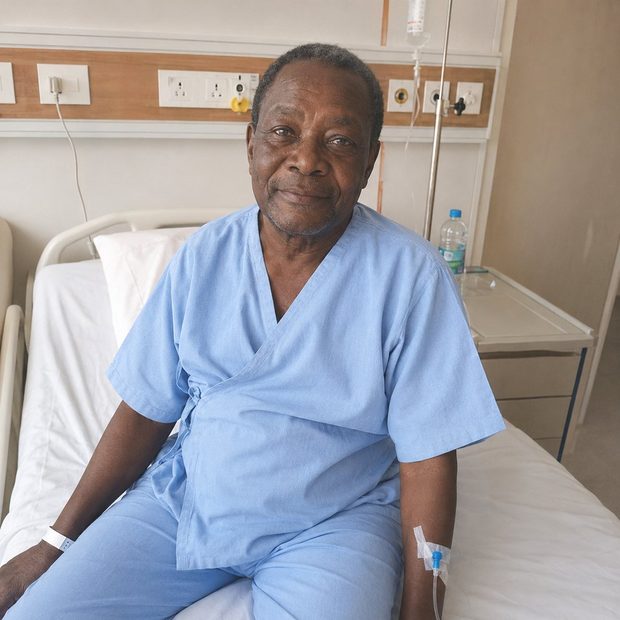
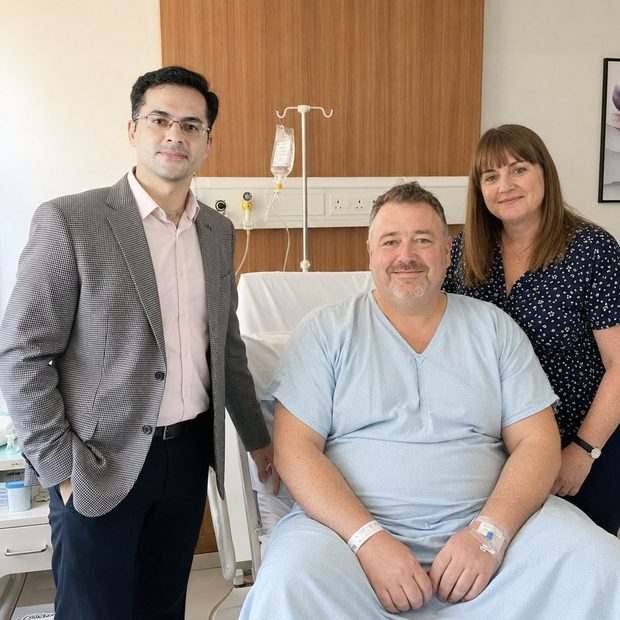
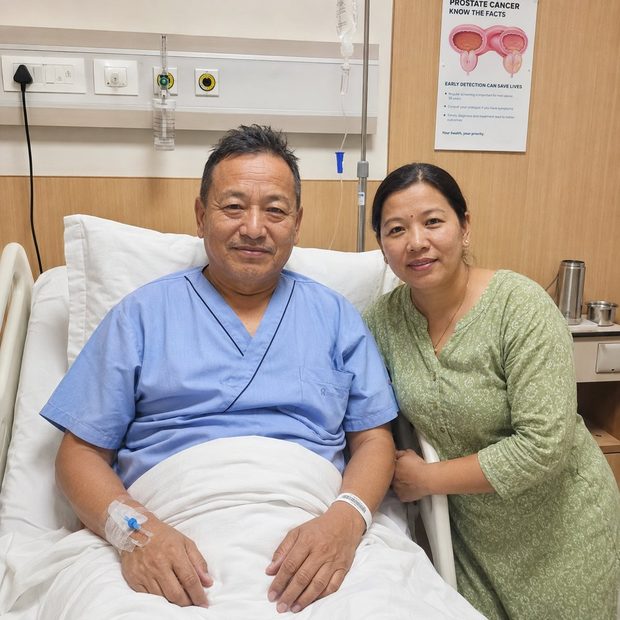
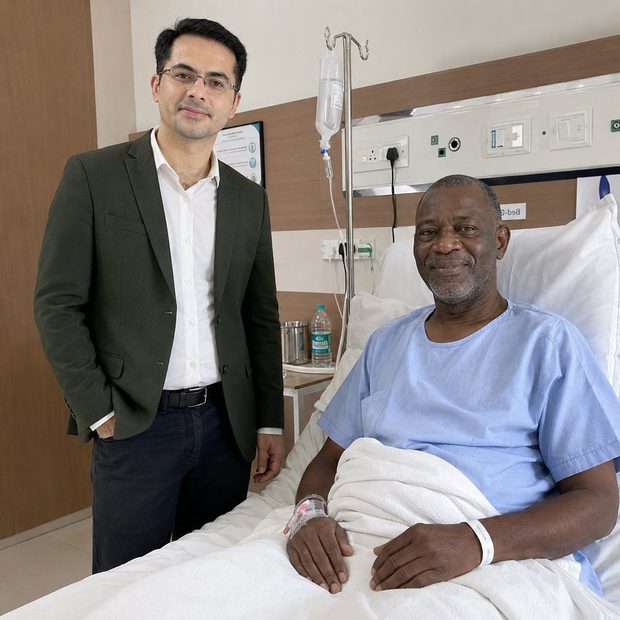
Now a days India has a broad scope for transsphenoidal surgery. Surgeons’ uses the best methodologies for this surgery and patients get completely satisfied by the medical facilities they are provided. You can see patient’s experiences section for this. Pituitary adenomas are benign tumors, which arise from the pituitary gland. Pituitary tumors are rarely malignant.
These tumors are usually treated by surgical removal, using a transsphenoidal approach. This approach involves making an incision in the upper gum line or nasal cavity and accessing the tumor through the base of the skull. This approach is usually the procedure of choice because it is less invasive, has fewer side effects, and patients generally recover more quickly.
The quality of hospital service delivery and the qualification of doctors is a prime consideration while choosing the transsphenoidal surgery in India.
Pituitary adenomas are benign tumors, which arise from the pituitary gland itself. They are almost never malignant. Pituitary tumors can be either secretory or non-secretory, referring to whether they overproduce pituitary hormones. Secretory tumors cause disease because of the excess quantities of hormones, which they secrete (release) into the bloodstream.
The most common type of secretory pituitary tumor is termed a prolactinoma. Excess prolactin in the blood may lead to irregular or absent periods in women, decreased libido and erections in men and infertility or milk production in men or women. However, there are excellent medicines available to treat this disorder, so surgery is rarely needed.
Endocrinologists, who are medical specialists in gland and hormone disorders, treat most patients with prolactinomas. Most pituitary tumors can be removed transsphenoidally. The approach is through the sphenoid sinus, one of the facial air spaces behind the nose. Rarely, a craniotomy is required, where the skull is opened to reach the tumor.
There are three basic approaches to the sella, which is the bony cavity in the skull base where the pituitary gland is located. Many neurosurgeons now use a direct transnasal approach, where an incision is made in the back wall of the nose and the sphenoid sinus is entered directly.
It is also possible to make an incision along the front of the nasal septum, and make a tunnel back to the sphenoid sinus. Finally, it is possible to make an incision under the lip and approach through the upper gum, and enter the nasal cavity and then the sphenoid sinus.
Fertility Evaluation
India is one of the largest providers of professional healthcare. With a number of world-renowned medical facilities affiliated, it has the resources to offer patients, the finest medical treatment in India, and help them speedily on the recovery. India is an expert in providing the ultimate in medical tourism packages.
There are a great many surgical procedures like transsphenoidal surgery that would be far cheaper for the patient to have in India, and it offers the best rates on some of the more common procedures at cities like Chennai, Mumbai, Bangalore and Delhi.
What Patients Should Confirm
Patients should confirm fertility test results, previous cycle records, medication plan, visit timeline, partner requirements, and the clinic's follow-up process.
Before requesting a medical opinion, keep recent reports, imaging files, discharge summaries, prescriptions, and a short symptom timeline ready. This helps the specialist review the case without unnecessary back-and-forth.
Travel And Follow-Up Planning
International patients should ask about visa documents, attendant needs, estimated hospital stay, nearby accommodation, fitness-to-fly advice, and how follow-up will continue after returning home.
Forerunners Healthcare can coordinate hospital options, doctor review, appointment planning, travel support, and cost estimates while keeping the final medical decision with the treating specialist.
Care Planning Checklist
Before confirming treatment, patients should share recent reports, imaging, prescriptions, allergy details, previous discharge summaries, and a short timeline of symptoms or diagnosis. This helps the hospital team give a clearer medical opinion and a more realistic cost estimate.
Patients should also confirm the expected hospital stay, attendant needs, visa documents, airport transfers, accommodation near the hospital, payment inclusions, and what may change if extra tests or a longer stay are required.
Follow-up planning should be discussed before travel. Ask what warning signs need urgent attention, when flying is usually reviewed, how medicines or dressings will be managed, and how the treating team will coordinate after the patient returns home.