Overview
Indian hospitals are providing urethroplasty surgery to medical tourists at a comparative cost. If the patient has a urethral stricture due to any of the causes i.e.
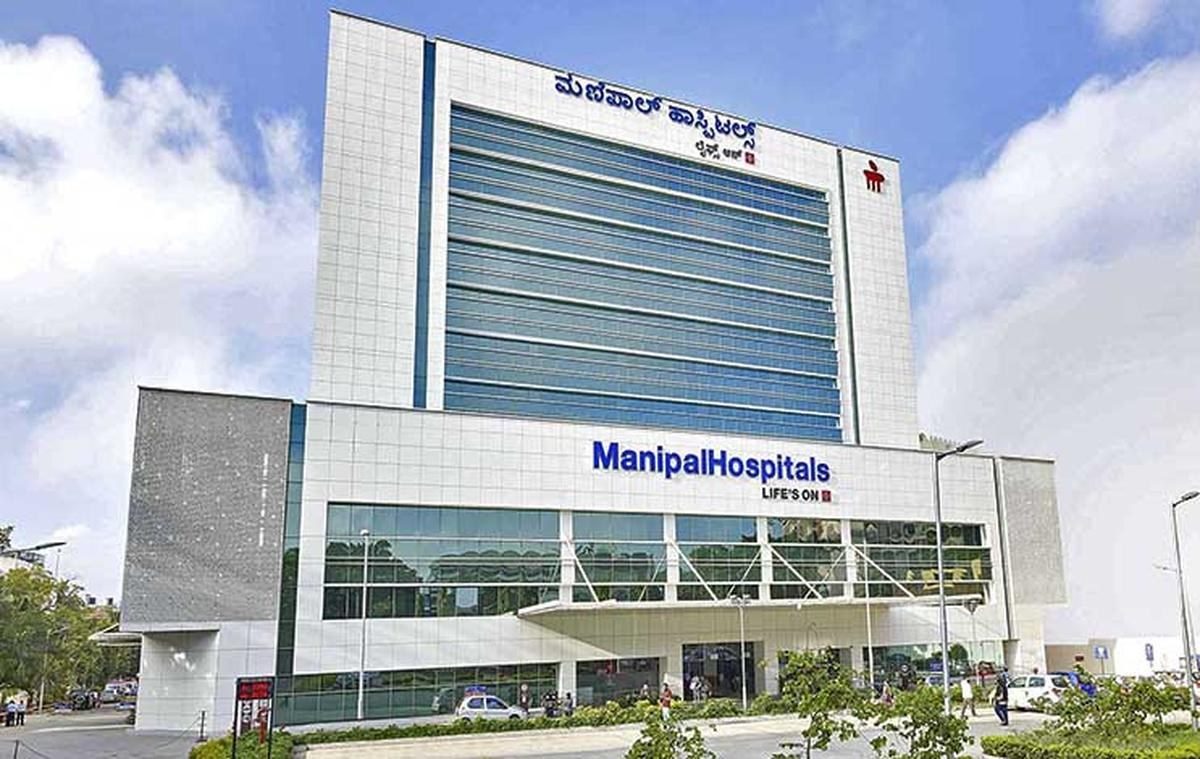
repeated episodes of urethritis, benign prostatic hyperplasia, scarring from a previous surgery, injury or trauma most commonly to the pelvic region or from pressure of a tumour, then patient is an ideal candidate for Urethroplasty. A patient can be confident that his/her hospital and, for a price, will be extremely modern and pristine for the urethroplasty surgery.
Rising health care costs for procedures like urethroplasty surgery at the hospitals US push people to seek medical treatments in India, with medical facilities, best methodologies and they have not only caught up to western standards but also in many ways exceeded them.
These tourists are usually surprised to find brand new facilities and equipment as hospitals and hubs around the world join in the fierce competition for this fast growing market.
Urethroplasty is a surgical procedure to correct scar tissue blockage of the urethra called urethral stricture. The urethra is the tube that carries urine from the bladder to the outside of the body. A urethral stricture can occur anywhere in the urethra. A urethral stricture is a scarred or hardened area that causes narrowing of the caliber of the urethra.
The stricture eventually reduces or obstructs the flow of urine out of the bladder, making it difficult to urinate. The bladder therefore must work harder to push the urine through the narrowed area of the urethra. Urethroplasty is performed under general anesthesia.
Two Urethroplasty techniques are popularly used: Anastomotic Technique - In this method of Urethroplasty, the narrowed part of the urethra is cut and the proximal and distal parts of the urethra are re-joined, a Foley’s catheter will be left in for the next 2 weeks to ensure complete healing and repair. This method of Urethroplasty is used for small urethral strictures i.e.
less than 2 cm wide. Tissue Transfer - In this method of Urethroplasty, Skin and Tissue is grafted from a non-hair bearing part of the body like the buccal mucosa or bladder mucosa. Free grafts like Full Thickness Skin Grafts or Split Thickness Skin Grafts can be used for this purpose.
Tissue Transfer Urethroplasty can be also be carried out in 2 stages if sufficient local tissue is not available for a Skin Flap Procedure and local tissue factors are not suitable for a free graft.
Diagnosis And Staging
Health tourism is a concept where a patient travels to another country for medical treatment in order to save costs, or get treatment faster or even to avail of better medical facilities.
Most patients from Europe, USA and UK travel to developing countries such as India for urethroplasty surgery hospitals because India besides offering some of the cheapest pricing options of treatment, also offers a good holiday. India boasts of several good private owned hospitals with facilities second to none.
They have some of the best specialist doctors, with most top end being educated in USA and UK. When it comes to becoming a doctor, India also has some of the strongest criteria. Language is another plus factor - English, which is widely spoken throughout the country and in all good hospitals. Furthermore, the costs are much lower than most countries.
You can compare the cost of different procedures between India and other developed nations.
What Patients Should Confirm
Patients should confirm the diagnosis, stage, biopsy summary, imaging reports, and whether the plan includes surgery, chemotherapy, radiation, targeted therapy, or a combination.
Before requesting a medical opinion, keep recent reports, imaging files, discharge summaries, prescriptions, and a short symptom timeline ready. This helps the specialist review the case without unnecessary back-and-forth.
Travel And Follow-Up Planning
International patients should ask about visa documents, attendant needs, estimated hospital stay, nearby accommodation, fitness-to-fly advice, and how follow-up will continue after returning home.
Forerunners Healthcare can coordinate hospital options, doctor review, appointment planning, travel support, and cost estimates while keeping the final medical decision with the treating specialist.
Care Planning Checklist
Before confirming treatment, patients should share recent reports, imaging, prescriptions, allergy details, previous discharge summaries, and a short timeline of symptoms or diagnosis. This helps the hospital team give a clearer medical opinion and a more realistic cost estimate.
Patients should also confirm the expected hospital stay, attendant needs, visa documents, airport transfers, accommodation near the hospital, payment inclusions, and what may change if extra tests or a longer stay are required.
Follow-up planning should be discussed before travel. Ask what warning signs need urgent attention, when flying is usually reviewed, how medicines or dressings will be managed, and how the treating team will coordinate after the patient returns home.