
Overview
Laparoscopic Cholecystectomy in India is offered with advanced medical facilities, comparable with any of the western countries at state-of-the-art hospitals by veteran surgeons. The surgery to remove the gallbladder is called a cholecystectomy.
If your doctor has suggested surgery to remove your gall bladder, you have probably heard about an innovative procedure called laparoscopic Cholecystectomy, or Lap chole' for short. The procedure is a "Less invasive" type of gall bladder surgery that you might consider.This surgery uses a laparoscope to remove the gallbladder.
It is performed through several small incisions rather than through one large incision. Medical tourism in India provides coordinated assistance to patients coming from abroad for getting laparoscopic cholecystectomy in India at affordable cost.
The following guide to medical tourism will help you to decide which is the best destination and healthcare provider for your needs, and provides practical advice about going to India for laparoscopic cholecystectomy.
When This Care Is Considered
It is sensible to compare services, treatments, costs and credentials of a handful of providers and read some patient testimonials before committing. An informed patient is more able to make an informed decision so read up about the surgery and ask which techniques or materials will be used and what the advantages or disadvantages are.
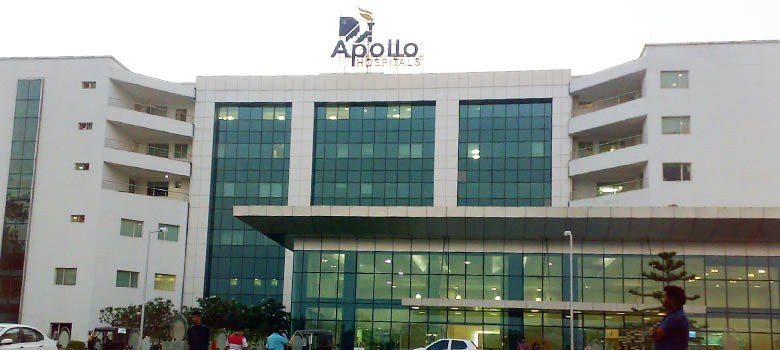
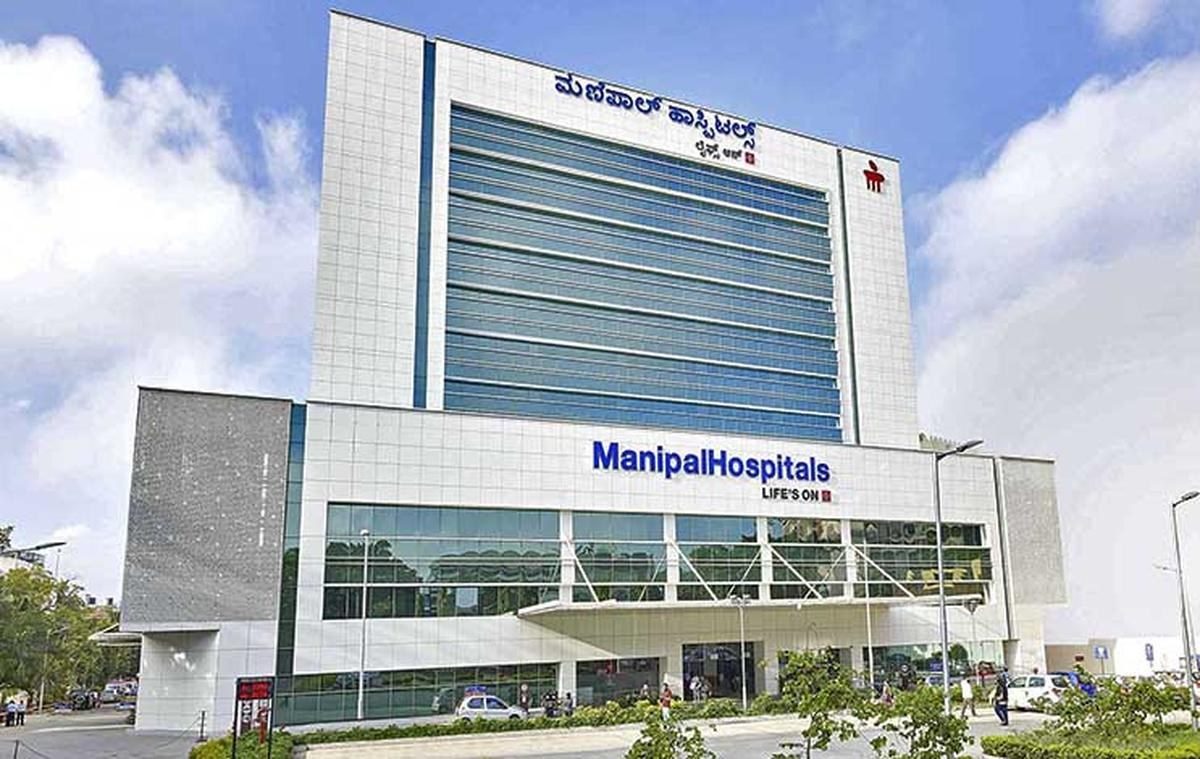
When you are considering medical tourism provider find out in details about the hospital's reputation they are working with, and depending on what procedure you are planning, whether it has expertise in this.
India has some top class surgeons but it is essential to know what qualifications and accreditations the surgeons, and doctors should have in order to practice, and then to clarify with medical tourism provider that the professionals you will be seeing have these in place.
Treatment Planning
Consider the time available for your trip to India for laparoscopic cholecystectomy.
The ideal length of stay ensures there are no complications so you can travel back home safely but some situations may require staying longer, in which case building some flexibility into your schedule is a good idea - just in case - because it is preferable to be seen by the doctor/surgeon who treated you in India.
Decide whether you will go alone or if there is a close friend/member of the family who could accompany you. Medical tourism companies in India will provide 'escorts' or 'travel care coordinators' to collect you from the airport and arrange everything for you - even your tourist activities - so the whole experience is made smooth and pleasant for you.
Hospital And Specialist Review
To travel to India you need a valid passport with at least six months remaining on it, a Visa and an onward ticket out of India. Medical tourism provider in India will send a visa invitation letter to help you to get medical visa and will arrange your air tickets of travel to India.
Be careful not to allow the allure of a holiday in a richly spiritual and exotic destination become more important than the surgery procedure.
Indian hospitals have impressive infrastructure and thus many people seek out medical treatment in India where the cost of healthcare is considerably lower.
What Patients Should Confirm
Patients should confirm the diagnosis, recent reports, current medicines, expected treatment pathway, hospital stay, recovery time, and follow-up plan before travel.
Before requesting a medical opinion, keep recent reports, imaging files, discharge summaries, prescriptions, and a short symptom timeline ready. This helps the specialist review the case without unnecessary back-and-forth.
Travel And Follow-Up Planning
International patients should ask about visa documents, attendant needs, estimated hospital stay, nearby accommodation, fitness-to-fly advice, and how follow-up will continue after returning home.
Forerunners Healthcare can coordinate hospital options, doctor review, appointment planning, travel support, and cost estimates while keeping the final medical decision with the treating specialist.
Care Planning Checklist
Before confirming treatment, patients should share recent reports, imaging, prescriptions, allergy details, previous discharge summaries, and a short timeline of symptoms or diagnosis. This helps the hospital team give a clearer medical opinion and a more realistic cost estimate.
Patients should also confirm the expected hospital stay, attendant needs, visa documents, airport transfers, accommodation near the hospital, payment inclusions, and what may change if extra tests or a longer stay are required.
Follow-up planning should be discussed before travel. Ask what warning signs need urgent attention, when flying is usually reviewed, how medicines or dressings will be managed, and how the treating team will coordinate after the patient returns home.