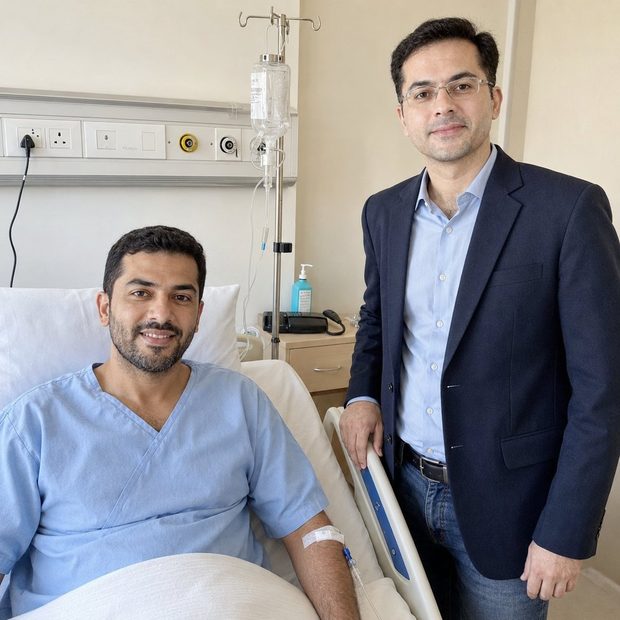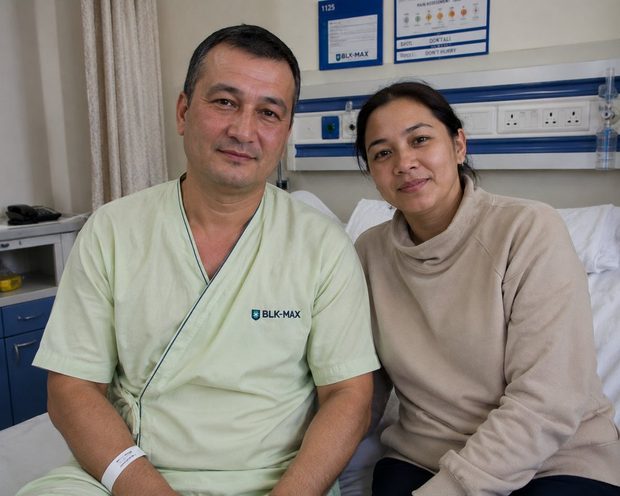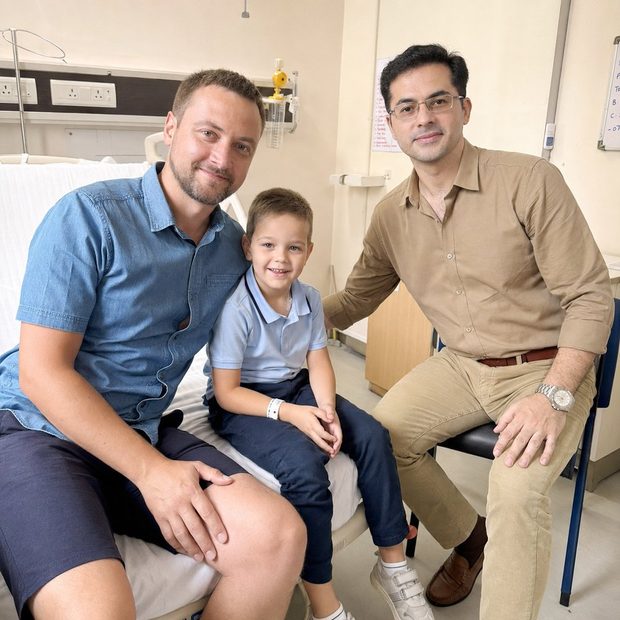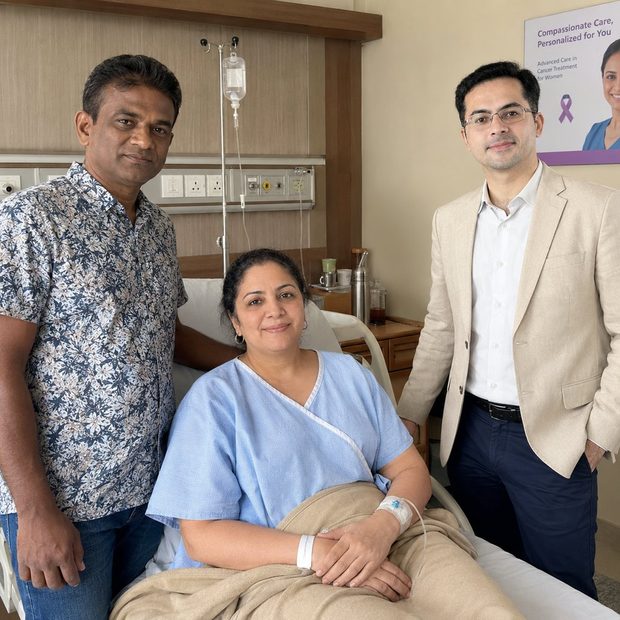

Overview
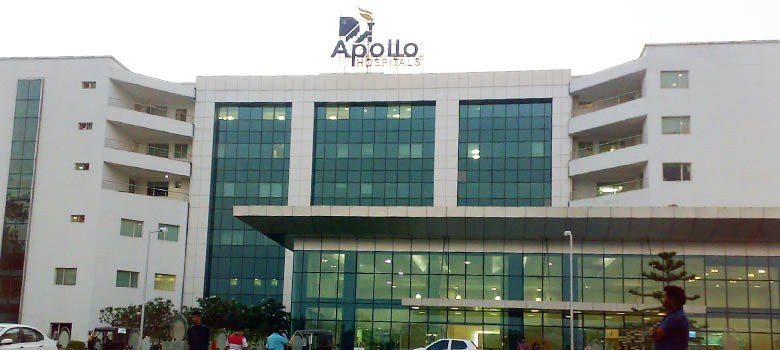
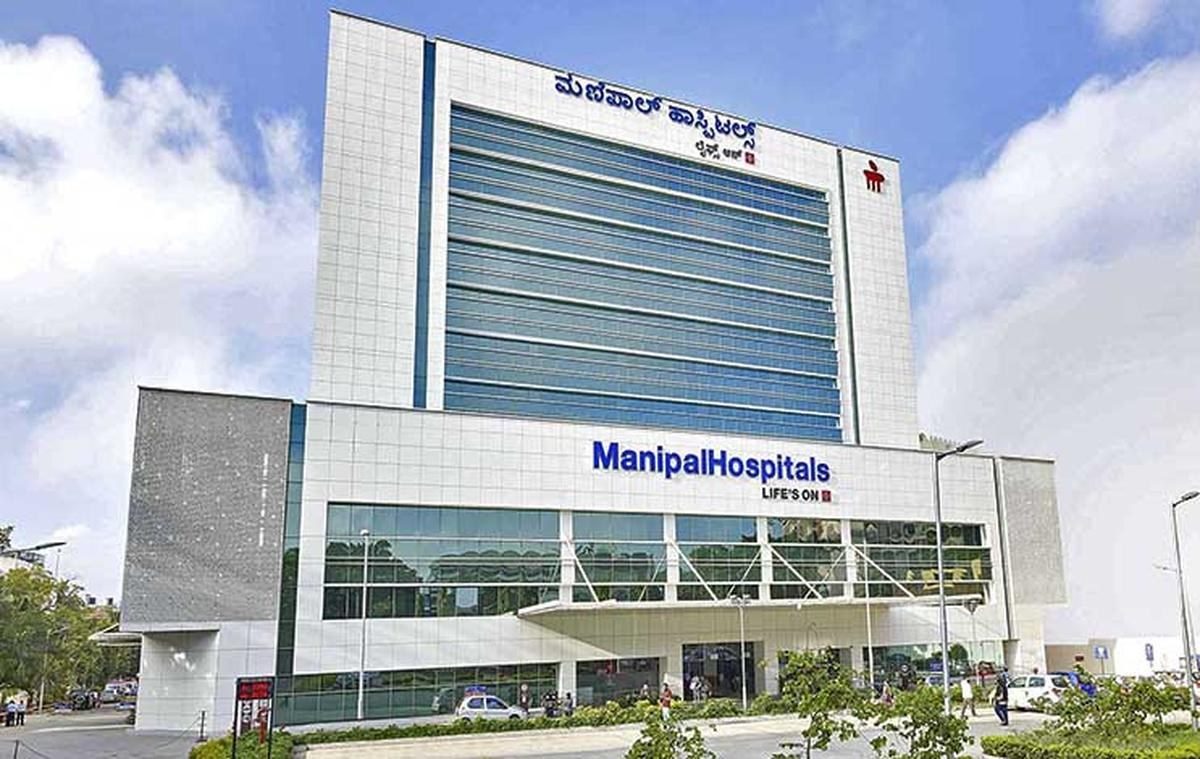
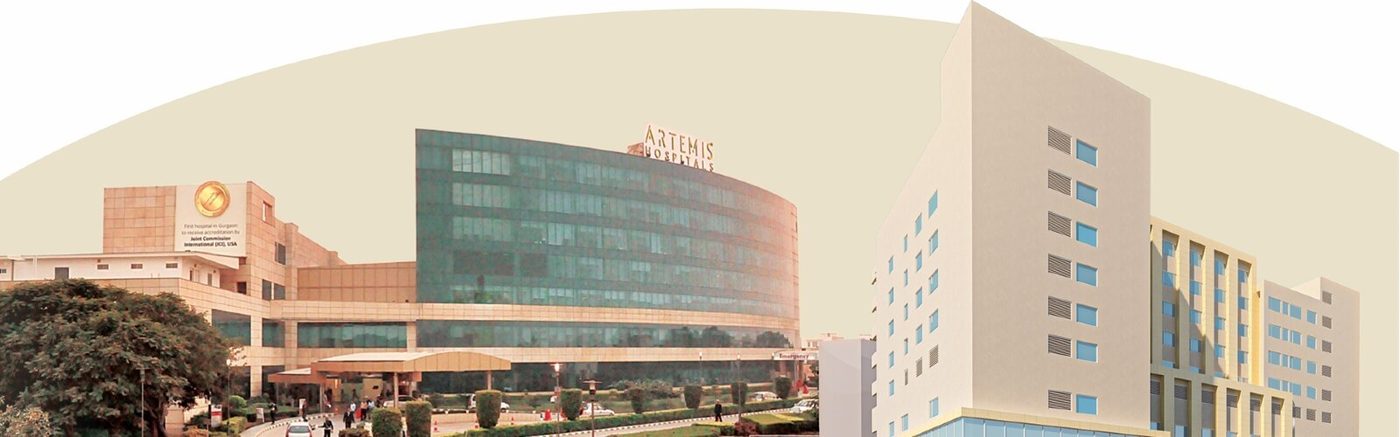
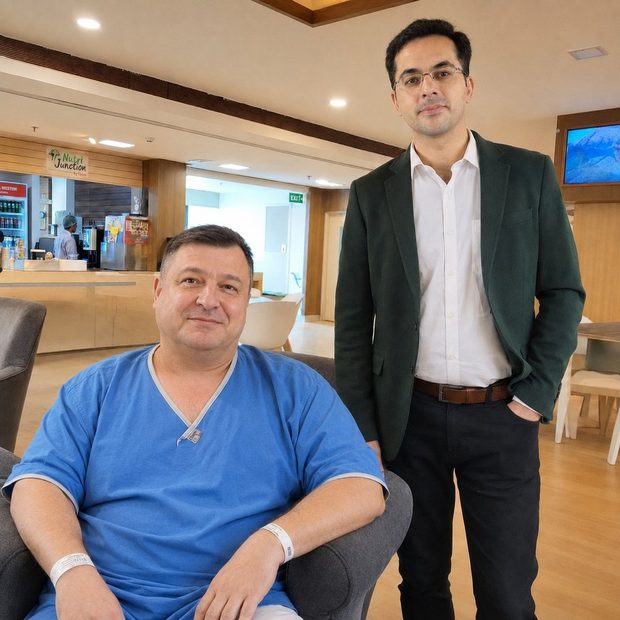
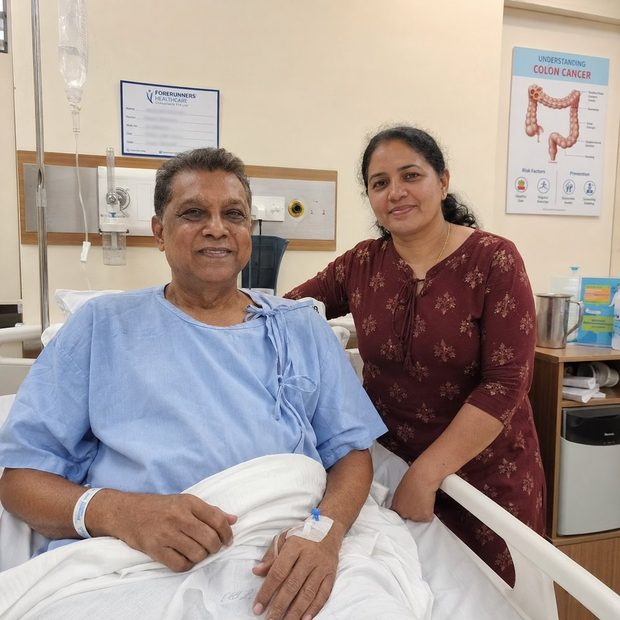
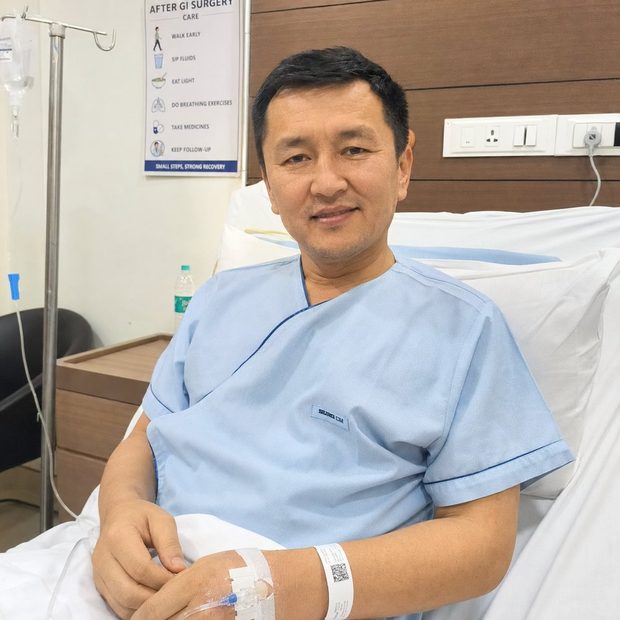
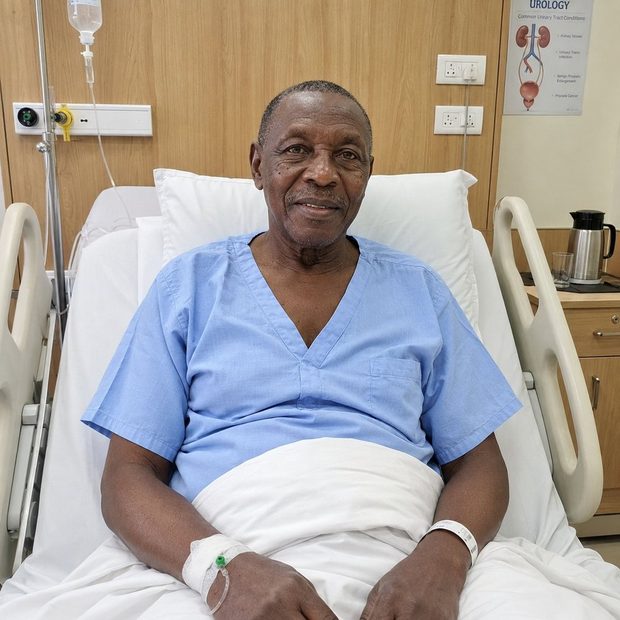
The cost of health insurance is increasing each year for many people, especially for those who pay for individual health insurance policies. One type of low-cost insurance option that is starting to become popular is medical tourism in India. Many types of medical procedures can cost much less in India than they do in the United States and other western countries.
There can be many advantages for employers and individuals to start using medical tourism in India for some medical procedures. The option is currently offered by some insurance companies.
The following factor had made medical tourism in India as an alternative health insurance:
Mobility And Pain Assessment
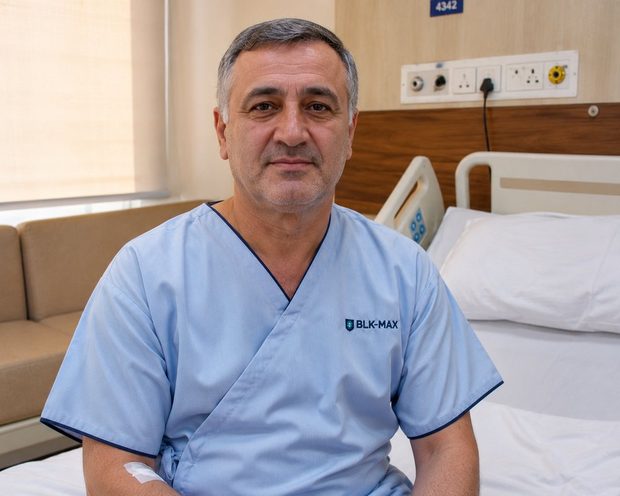
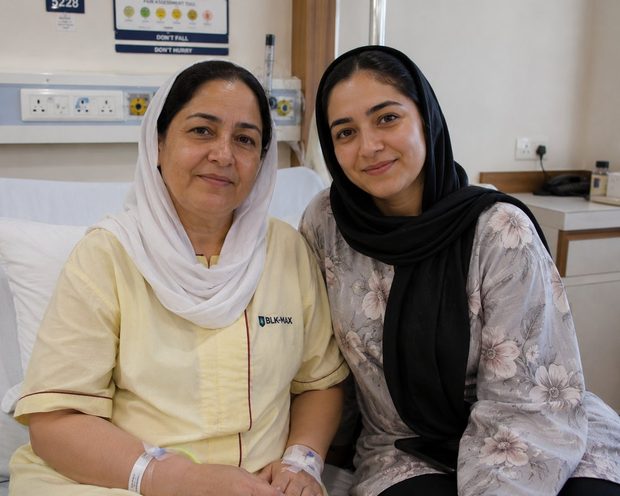
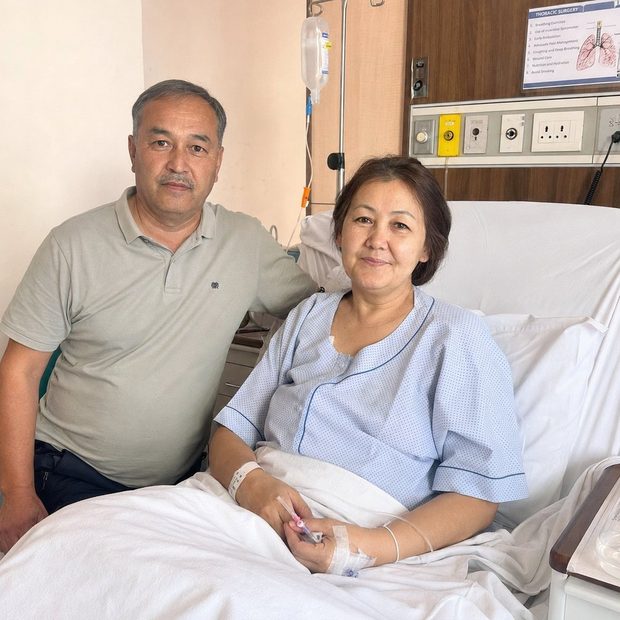
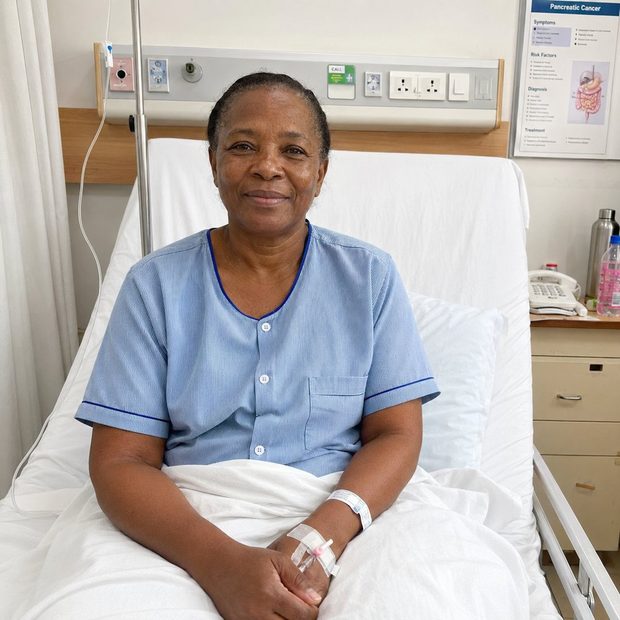
Many people are starting to use medical tourism as an option for certain types of medical procedures for a number of reasons. These can include potential cost savings, shorter waiting periods, recovering in comfort, as well as surgical options and package deals.
Individuals who do not have health insurance for certain types of procedures can also save money by using medical tourism options.
One of the biggest benefits of medical tourism in India is the cost savings for various options that are available. The cost of medical treatment in India is considerably less expensive than it is in the US and other western countries. Surgery in India can cost 30 to 80 percent less than in the United States.
Treatment Options
Medical tourism has inherent risks, such as complications that can occur and the difficulty of getting the proper follow-up care. Complications from surgical procedures are a big risk that needs to be factored into any decision to use medical tourism options.
But medical tourism companies in India have special health care programs that are designed to adhere to the needs of international patients and provide best medical treatment using latest available technology and services.
However, that need not worry you when it comes to medical tourism in India for follow-up care, as many Indian doctors do offer follow-up check ups and medical tourism company in India offers such a services.
Many employers are looking at medical tourism in India as an option to control some of the costs associated with health care. Some employers in the United States and western countries are using medical tourism because it is cheaper to send an employee overseas for a specific type of procedure such as a knee replacement.
Hospital And Surgeon Review
Medical tourism in India is starting to be offered in certain types of health care insurance policies. Many immigrants who live in western countries often travel to India for medical treatment and many of the insurance companies now offers cross-border insurance polices for immigrants.
What Patients Should Confirm
Patients should confirm pain level, mobility limits, imaging, implant or fixation plan, physiotherapy needs, and when flying or long travel is considered safe.
Before requesting a medical opinion, keep recent reports, imaging files, discharge summaries, prescriptions, and a short symptom timeline ready. This helps the specialist review the case without unnecessary back-and-forth.
Travel And Follow-Up Planning
International patients should ask about visa documents, attendant needs, estimated hospital stay, nearby accommodation, fitness-to-fly advice, and how follow-up will continue after returning home.
Forerunners Healthcare can coordinate hospital options, doctor review, appointment planning, travel support, and cost estimates while keeping the final medical decision with the treating specialist.
Care Planning Checklist
Before confirming treatment, patients should share recent reports, imaging, prescriptions, allergy details, previous discharge summaries, and a short timeline of symptoms or diagnosis. This helps the hospital team give a clearer medical opinion and a more realistic cost estimate.
Patients should also confirm the expected hospital stay, attendant needs, visa documents, airport transfers, accommodation near the hospital, payment inclusions, and what may change if extra tests or a longer stay are required.
Follow-up planning should be discussed before travel. Ask what warning signs need urgent attention, when flying is usually reviewed, how medicines or dressings will be managed, and how the treating team will coordinate after the patient returns home.