
Overview
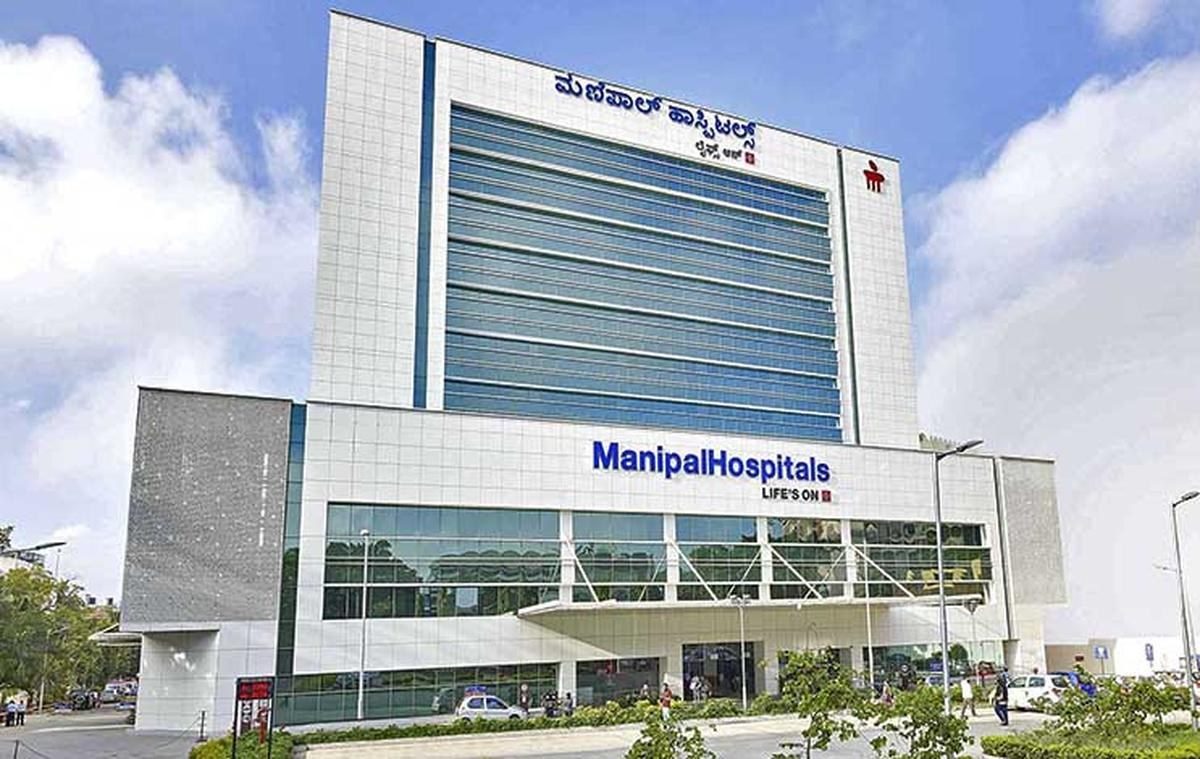
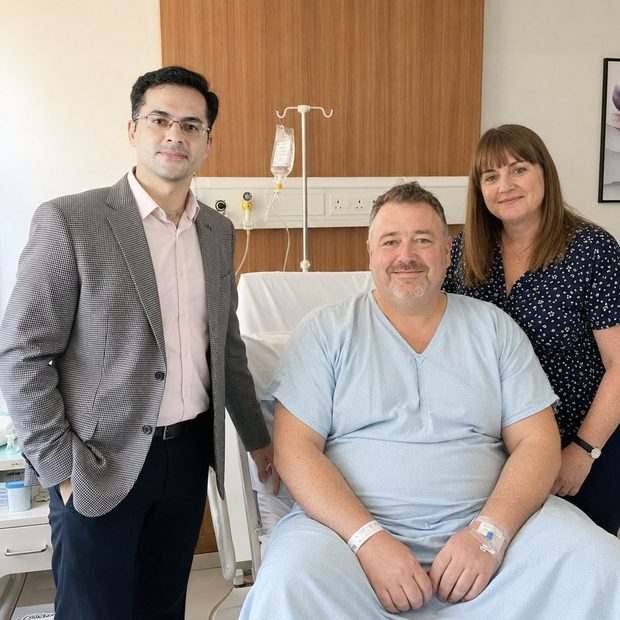
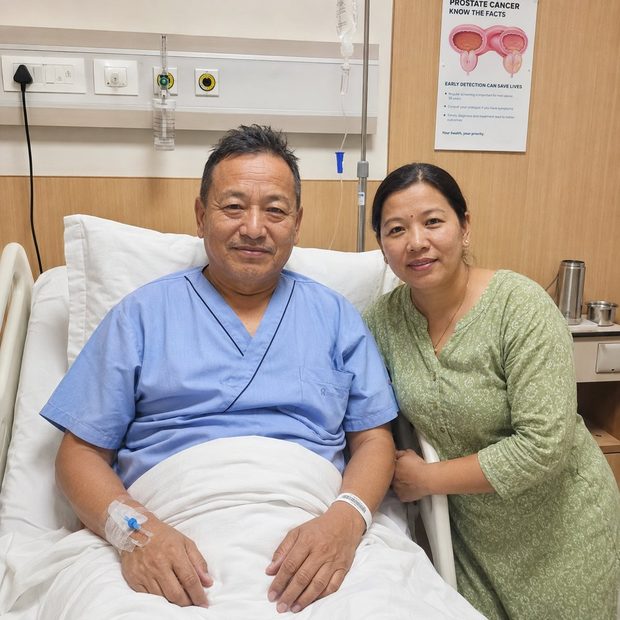
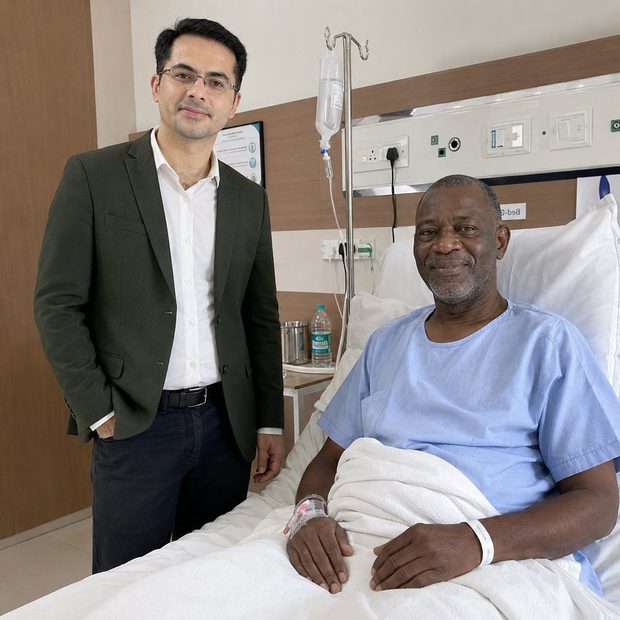
India is a promising destination for Mitral Valve Replacement Surgery because it is available at various state-of-the-art hospitals of Mumbai, Bangalore, Hyderabad, Chennai and New Delhi at an affordable rate. The hospitals in India have got finest team of cardiac surgeons and physicians performing mitral valve replacement surgery.
These cardiac surgeons provide excellent and comfortable treatment to the patients. The endeavor of the cardiac surgeons performing mitral valve replacement surgery in India is to go beyond the expected and deliver the most enriching positive experience to each of the patients.
Today with the use of modern technology by Indian hospitals the treatment outcome rate of the cardiac problems has increased.
Cardiac Evaluation
The mitral valve is a dual-flap valve in the heart that lies between the left atrium and the left ventricle. The mitral valve and the tricuspid valve are known collectively as the atrioventricular valves because they lie between the atria and the ventricles of the heart and control the flow of blood.
Mitral valve replacement surgery is a cardiac procedure in which a patient’s mitral valve is replaced by a different valve. Mitral valve replacement is typically performed robotically or manually, when the valve becomes too tight for blood to flow into the left ventricle, or too loose in which case blood can leak into the left atrium and also in the lung.
Mitral valve replacement surgery is performed to treat severe cases of mitral valve prolapse, heart valve stenosis, or other valvular diseases.
Symptoms Of Mitral Valve Prolapse
Causes Of Mitral Valve Prolapse
Procedure – Before the mitral valve replacement surgery begins cardiac monitoring is instituted and general anesthesia is provided to the patient. The surgeon makes a large incision in the chest of the patient under the left breast to gain access the heart. After the heart is exposed, blood must be rerouted to a heart-lung machine.
The patient is placed on a heart-lung machine during the mitral valve replacement surgery.
Blood is circulated outside the body and oxygen is added to it using a heart-lung machine. This allows the blood to be pumped and oxygenated while the surgeon operates on the heart. The heart is arrested as the cross clamp is applied to the ascending aorta to stop blood flow through the organ. The surgeon opens the heart to visualize the mitral valve.
Mitral valve replacement surgery is usually preferred for people who have a hard, calcified mitral valve ring or have a widespread damage to the valve and surrounding tissue.
After opening the heart, the surgeon cuts the diseased valve away from the valve annulus. The annulus is sized so that the proper size of valve can be selected for the patient's anatomy. Deairing of the heart is performed prior to removal of the cross clamp. When the cross clamp is removed, deairing continues to ensure that no air is delivered to the systemic circulation.
At this time a transesophageal echocardiogram may be used to test that the valve is functioning correctly and that the heart is free of air.
Once the surgeon is satisfied that the valve is working correctly, cardiopulmonary bypass is terminated, anticoagulation is reversed, and the cannulae are removed from the vessels.Sutures are applied around the valve annulus, the valve is sutured into place, and tied into position. The arial septum is closed with suture or left to heal naturally, and the heart is closed with sutures.
Recovery Post Mitral Valve Replacement Surgery
Forerunners Healthcare Group is providing the best options available to the patients who are willing to come to India for mitral valve replacement surgery. The results given by the cardiac surgeons performing mitral valve replacement surgery in India is at par with the results given by surgeons abroad.
Care Planning Checklist
Before confirming treatment, patients should share recent reports, imaging, prescriptions, allergy details, previous discharge summaries, and a short timeline of symptoms or diagnosis. This helps the hospital team give a clearer medical opinion and a more realistic cost estimate.
Patients should also confirm the expected hospital stay, attendant needs, visa documents, airport transfers, accommodation near the hospital, payment inclusions, and what may change if extra tests or a longer stay are required.
Follow-up planning should be discussed before travel. Ask what warning signs need urgent attention, when flying is usually reviewed, how medicines or dressings will be managed, and how the treating team will coordinate after the patient returns home.