
Overview
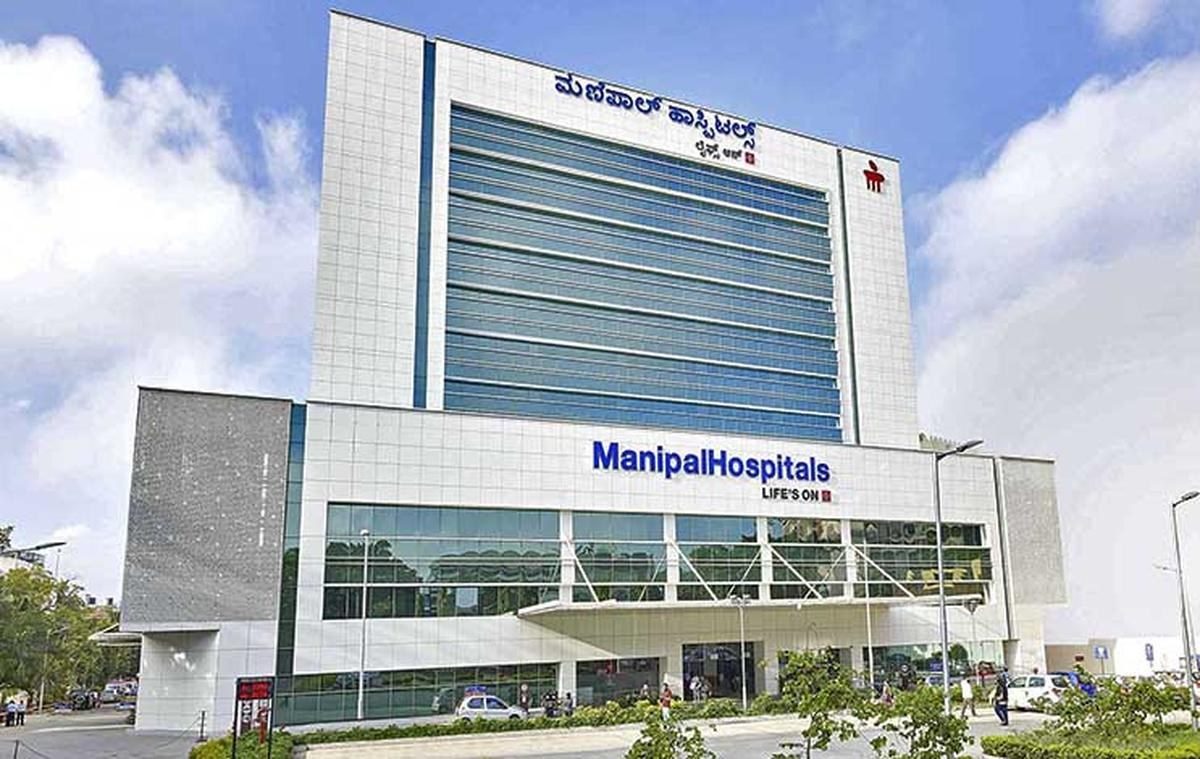
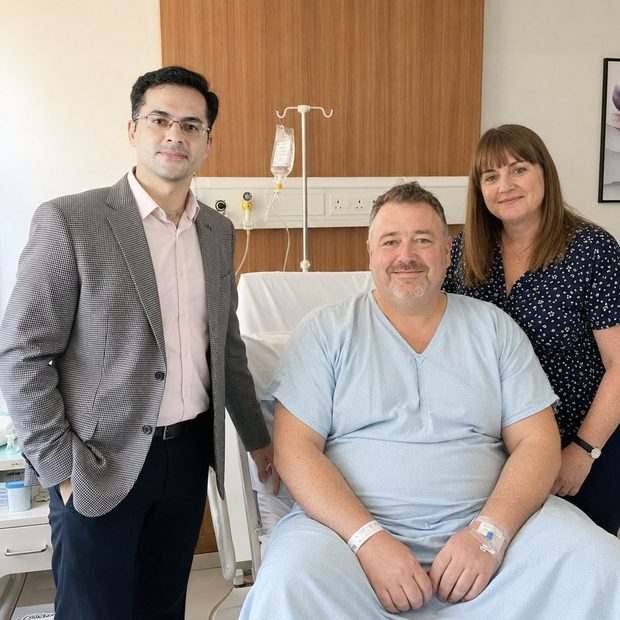
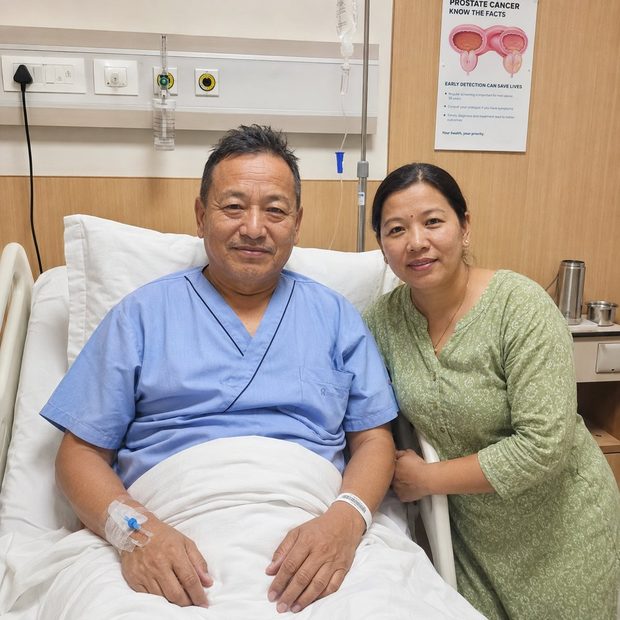
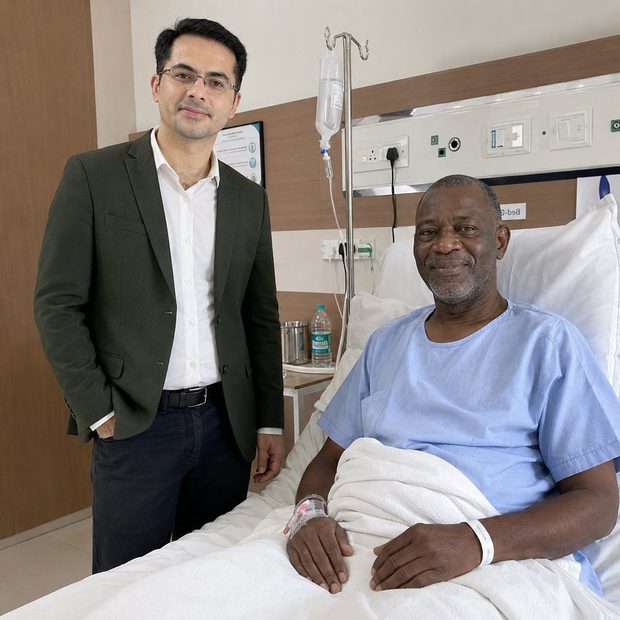
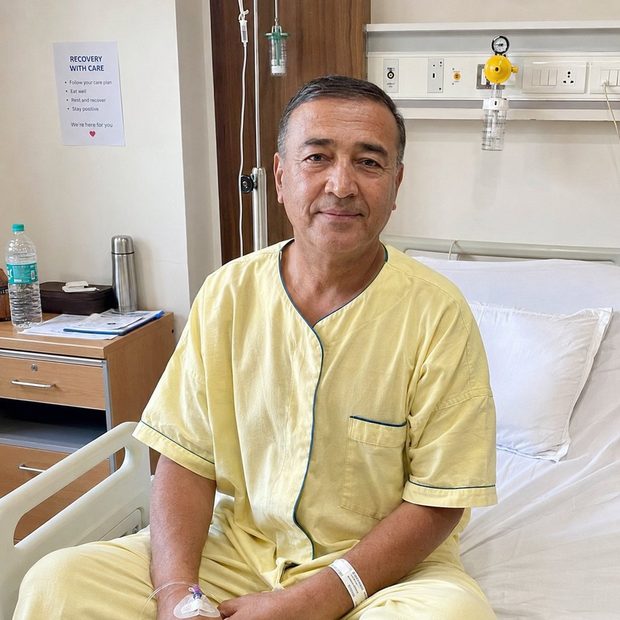
Kidney Cancer Surgery in Delhi, India is available at recognized hospitals in Mumbai, Bangalore, Hyderabad, Chennai and New Delhi at an affordable price. Over the last two decades, the economic boom in India has led to the building of medical facilities & infrastructure that rival the very best that western medical care has to offer.
Most of the physicians who practice in these hospitals and clinics have returned (to India) from the U.S. and Europe, leaving behind successful practices. Kidney Cancer Surgery in Delhi, India is available at various corporate hospitals that facilitate advanced, high quality and affordable medical treatment and healthcare tourism in India.
Kidney cancer develops most often in people over 40, but no one knows the exact causes of this disease. Common symptoms of kidney cancer include - blood in the urine (making the urine slightly rusty to deep red), pain in the side that does not go away, a lump or mass in the side or the abdomen, weight loss, fever, feeling very tired or having a general feeling of poor health.
Most often, these symptoms do not mean cancer. An infection, a cyst, or another problem also can cause the same symptoms. A person with any of these symptoms should see a doctor so that any problem can be diagnosed and treated as early as possible. To plan the best treatment, the doctor needs to know the stage (extent) of the disease.
The stage is based on the size of the tumor, whether the cancer has spread and, if so, to what parts of the body. Staging may involve imaging tests such as an ultrasound or a CT scan. The doctor also may use an MRI. For this test, a powerful magnet linked to a computer makes detailed pictures of organs and blood vessels. Surgery is the most common treatment for kidney cancer.
It is a type of local therapy. It treats cancer in the kidney and the area close to the tumor. An operation to remove the kidney is called a nephrectomy. There are several types of nephrectomies. The type depends mainly on the stage of the tumor. The doctor can explain each operation and discuss which is most suitable for the patient.
Diagnosis And Staging
Kidney Cancer Surgery in Delhi, India is available at hospitals that offer advanced healthcare that costs substantially less than those in developed countries, using the same technology delivered by competent Specialists attaining similar reported outcomes and sometimes even better.
Factors such as affordable cost, scale and range of treatments provided by India differentiate it from other medical tourism destinations. Kidney Cancer Surgery in Delhi, India is available at hospitals are skilled super specialists coupled with sound infrastructure and professional management, nurses and paramedical staff to take on international competition.
What Patients Should Confirm
Patients should confirm the diagnosis, stage, biopsy summary, imaging reports, and whether the plan includes surgery, chemotherapy, radiation, targeted therapy, or a combination.
Before requesting a medical opinion, keep recent reports, imaging files, discharge summaries, prescriptions, and a short symptom timeline ready. This helps the specialist review the case without unnecessary back-and-forth.
Travel And Follow-Up Planning
International patients should ask about visa documents, attendant needs, estimated hospital stay, nearby accommodation, fitness-to-fly advice, and how follow-up will continue after returning home.
Forerunners Healthcare can coordinate hospital options, doctor review, appointment planning, travel support, and cost estimates while keeping the final medical decision with the treating specialist.
Care Planning Checklist
Before confirming treatment, patients should share recent reports, imaging, prescriptions, allergy details, previous discharge summaries, and a short timeline of symptoms or diagnosis. This helps the hospital team give a clearer medical opinion and a more realistic cost estimate.
Patients should also confirm the expected hospital stay, attendant needs, visa documents, airport transfers, accommodation near the hospital, payment inclusions, and what may change if extra tests or a longer stay are required.
Follow-up planning should be discussed before travel. Ask what warning signs need urgent attention, when flying is usually reviewed, how medicines or dressings will be managed, and how the treating team will coordinate after the patient returns home.