Overview
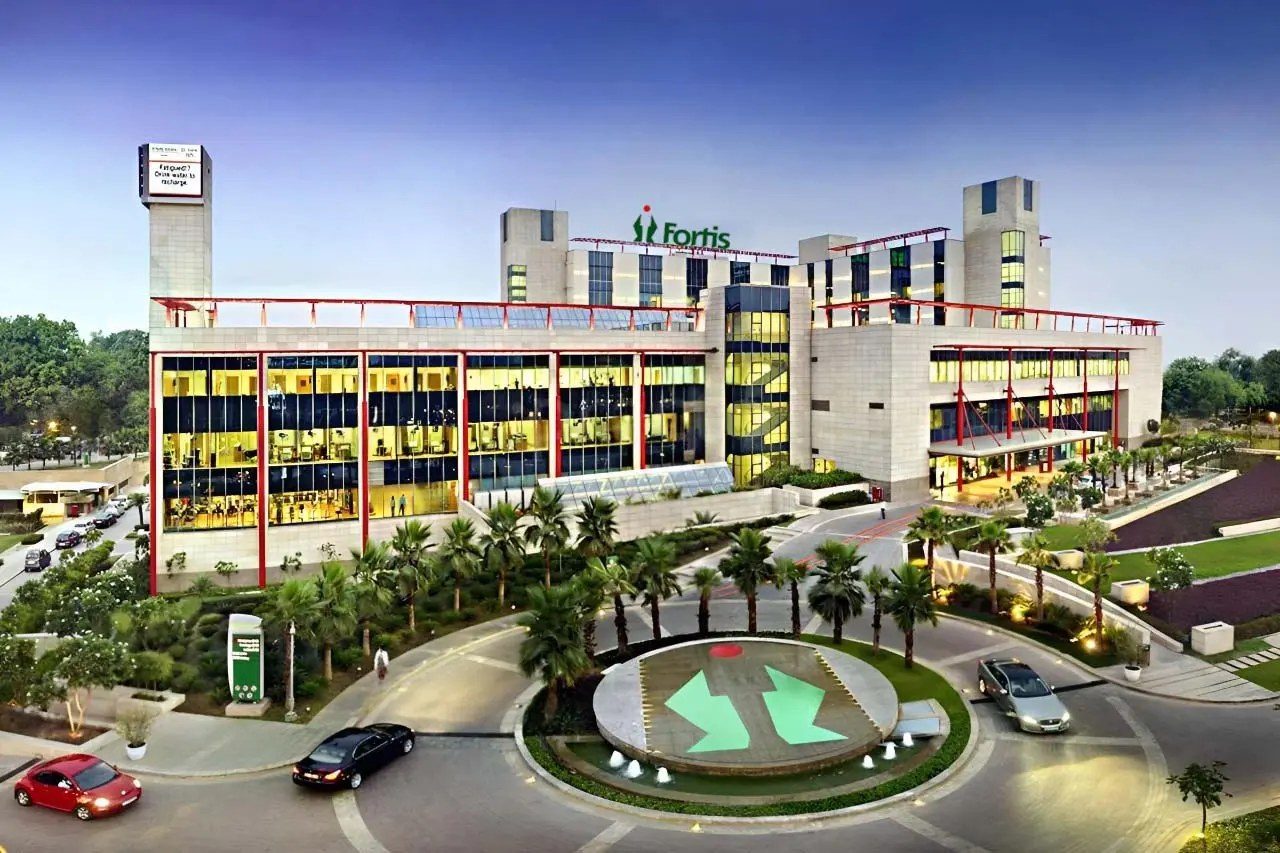
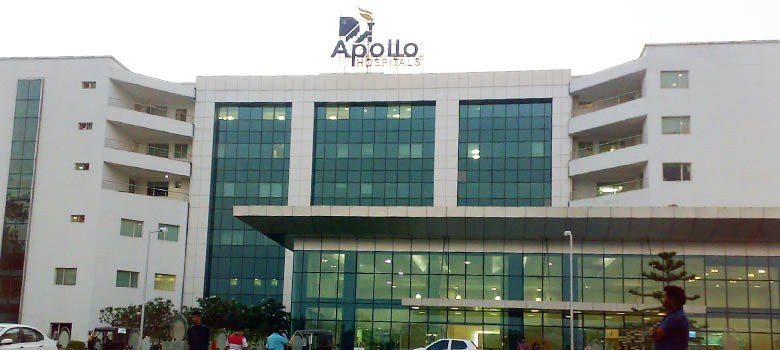
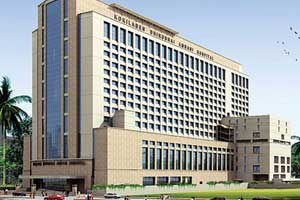
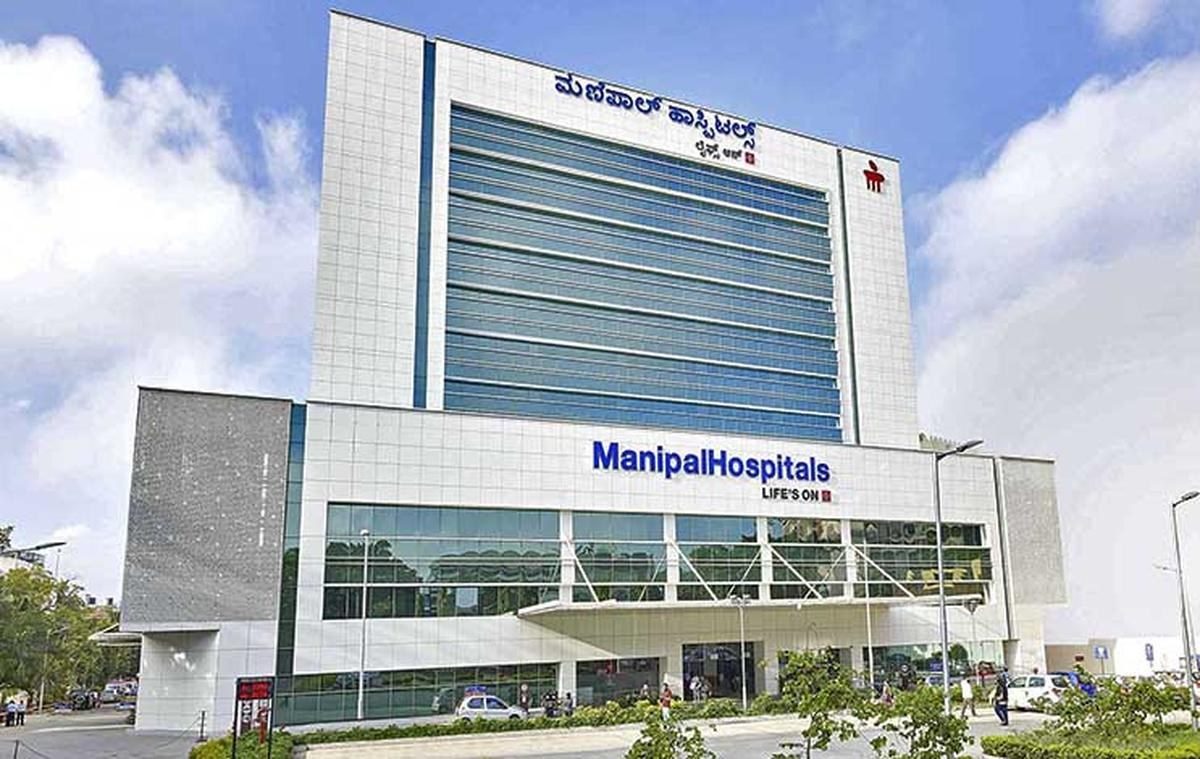
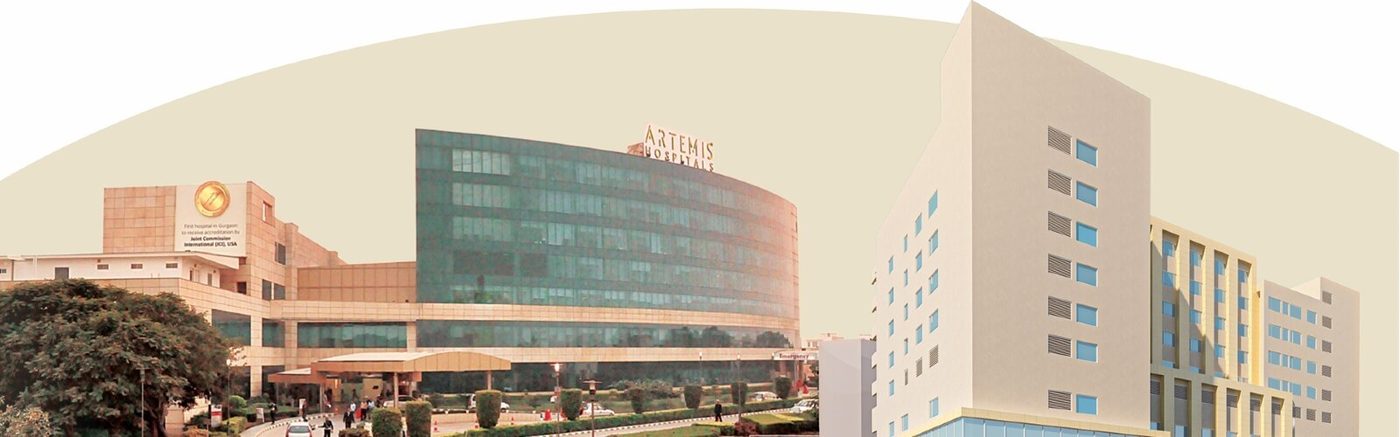
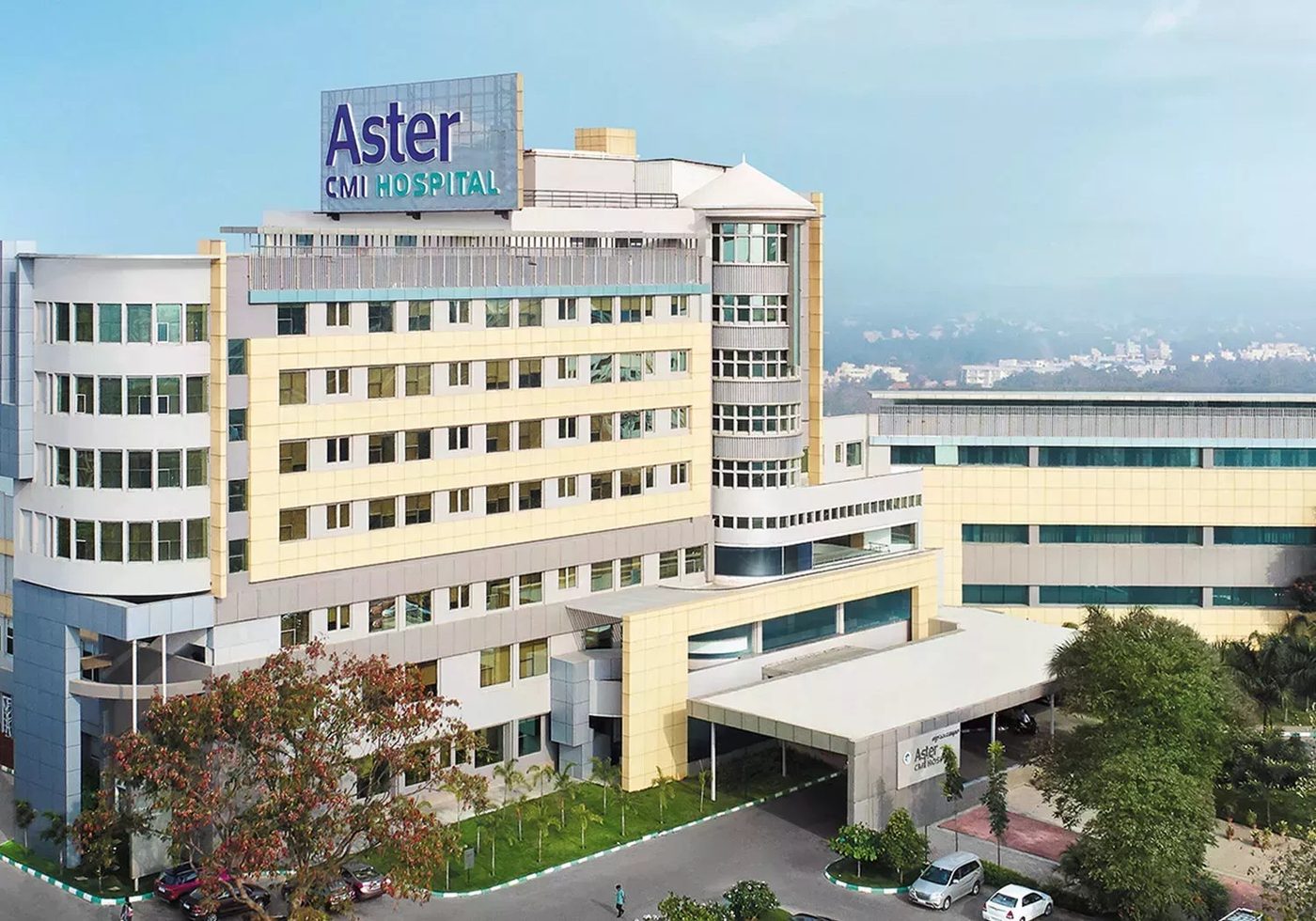
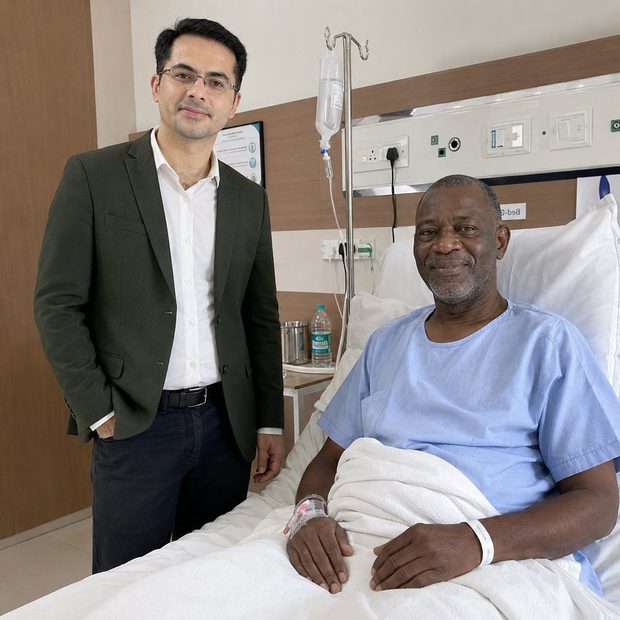
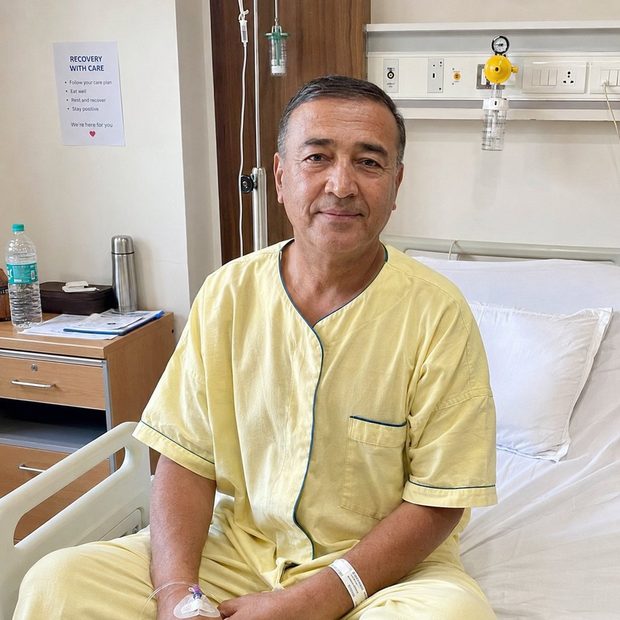
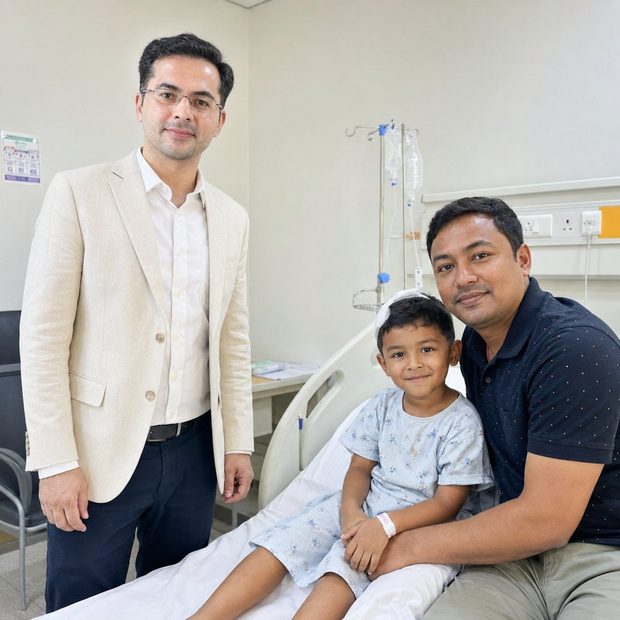
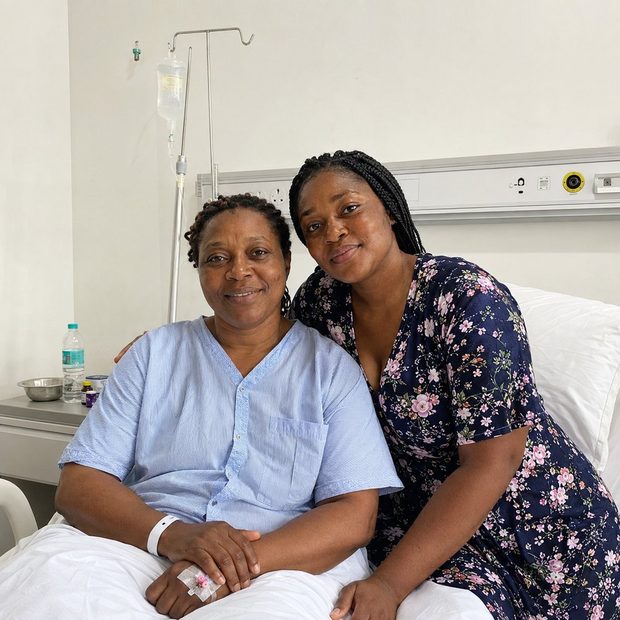
Upper Gastroscopy in Goa, India is a good option for you because it is available at state-of-the-art facilities at a reasonable price. Hospitals in Goa, India have up-to-date and modern diagnostic equipments for upper gastroscopy. The advanced hospital facilities at these hospitals, pre and post-operative care make the patient’s medical treatment in India a positive experience.
Upper gastroscopy is an examination of the esophagus, stomach and duodenum using an endoscope which is a long, thin, flexible tube containing a camera and a light to view the lining of these organs.
An upper gastroscopy is usually done to investigate the cause of abdominal pain. Conditions such as polyps can also sometimes also be treated via gastroscopy.
Causes For Upper Gastroscopy
Before the upper gastroscopy procedure begins the patient may need to stop taking some prescribed counter medicines for indigestion two weeks before his gastroscopy, as these medicines can hide problems that would otherwise be found during the gastroscopy. The patient can continue to take antacids such as sodium alginate, gaviscon.
Upper gastroscopy may be done under local anesthesia, which is usually given in the form of a throat spray. This completely blocks feeling from the throat area, but the patient will stay awake during the procedure. The patient may be offered a sedative to help him relax during the procedure.
Upper Gastroscopy procedure is shown in this video. In the upper gastroscopy procedure the patient has to be lying sideways with head bent slightly forward, the doctor will place a mouth guard over the patient’s teeth before carefully putting the gastroscope into the mouth.
The doctor will ask the patient to swallow to help the gastroscope pass into your oesophagus and down towards the stomach. It's important to keep the patient’s head and neck still and not try to straighten it.
The patient should be able to breathe normally during the upper gastroscopy. A nurse will help the doctor by using a suction tube to remove excess saliva from your mouth during the procedure. Air is pumped through the gastroscope and into the stomach to make it expand so that the stomach lining is easier to see.
The camera lens at the end of the gastroscope sends images from the inside of the patient’s body to a monitor.
The doctor will look at these images to examine the lining of your oesophagus, stomach and duodenum.
If necessary, the doctor will take a biopsy and remove small growths of tissue called polyps. This is done using special instruments passed inside the gastroscope and is quick and painless, although the patient may feel a slight pinch. The samples will be sent to a laboratory for testing to determine if they are benign (not cancerous) or malignant (cancerous).
When the test is finished the gastroscope is taken out quickly and easily.
The upper gastroscopy won't hurt but it may be a bit uncomfortable. The patient may belch during or after the procedure to expel the air that has been pumped in.
Of late upper gastroscopy in Goa, India has gained international recognition for its surgeons who have established themselves as highly skilled and conscientious caregivers worldwide. Surgeons performing upper gastroscopy in Goa, India have tremendous experience. Many of them have been trained or worked abroad.
It is the reputation of these surgeons that has led to the increase in the number of patient’s visiting Goa, India for upper gastroscopy.
What Patients Should Confirm
Patients should confirm the diagnosis, recent reports, current medicines, expected treatment pathway, hospital stay, recovery time, and follow-up plan before travel.
Before requesting a medical opinion, keep recent reports, imaging files, discharge summaries, prescriptions, and a short symptom timeline ready. This helps the specialist review the case without unnecessary back-and-forth.
Travel And Follow-Up Planning
International patients should ask about visa documents, attendant needs, estimated hospital stay, nearby accommodation, fitness-to-fly advice, and how follow-up will continue after returning home.
Forerunners Healthcare can coordinate hospital options, doctor review, appointment planning, travel support, and cost estimates while keeping the final medical decision with the treating specialist.
Care Planning Checklist
Before confirming treatment, patients should share recent reports, imaging, prescriptions, allergy details, previous discharge summaries, and a short timeline of symptoms or diagnosis. This helps the hospital team give a clearer medical opinion and a more realistic cost estimate.
Patients should also confirm the expected hospital stay, attendant needs, visa documents, airport transfers, accommodation near the hospital, payment inclusions, and what may change if extra tests or a longer stay are required.
Follow-up planning should be discussed before travel. Ask what warning signs need urgent attention, when flying is usually reviewed, how medicines or dressings will be managed, and how the treating team will coordinate after the patient returns home.