
Overview
Obesity surgery is a procedure for those people who have tried everything to lose weight but have not been able to lose weight or maintain weight loss. Obesity surgery hospitals are available in many developed countries. Generally the cost required for obesity surgery is really enormous and varies on the procedure you choose for your obesity surgery.
But obesity surgery in India may help you to save some cost without compromising quality. With respect to above facts many foreign citizens prefer to have their obesity surgery in India with advanced hospitality but at affordable cost. Surgeons for obesity surgery in India are board certified and some of them are trained at U.K. and U.S.A based medical institutions.
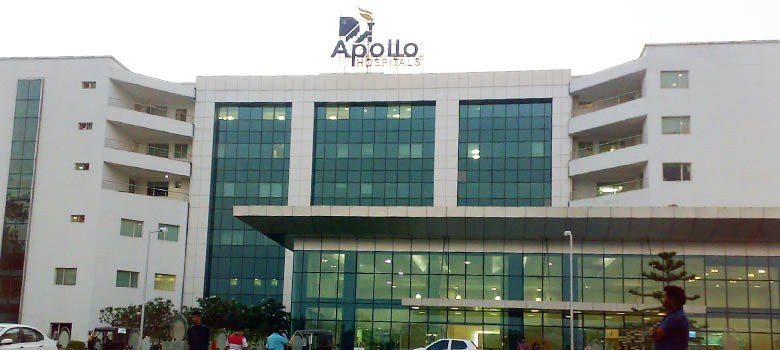
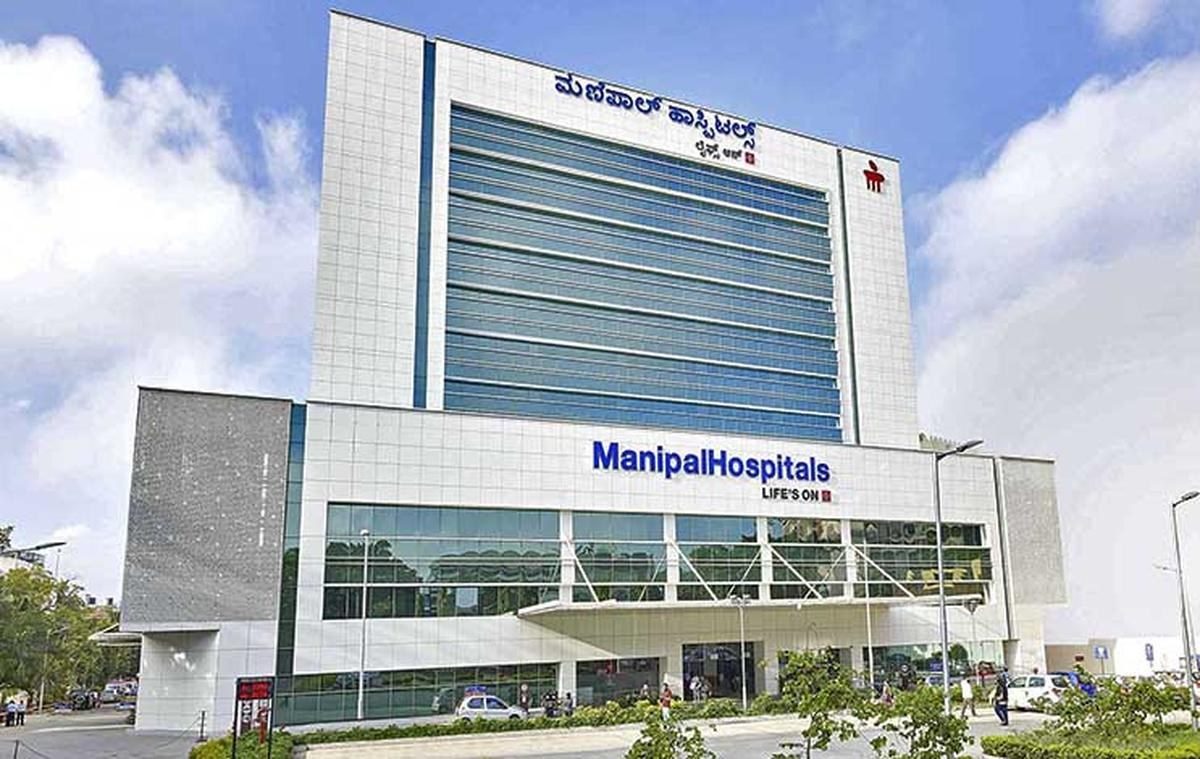
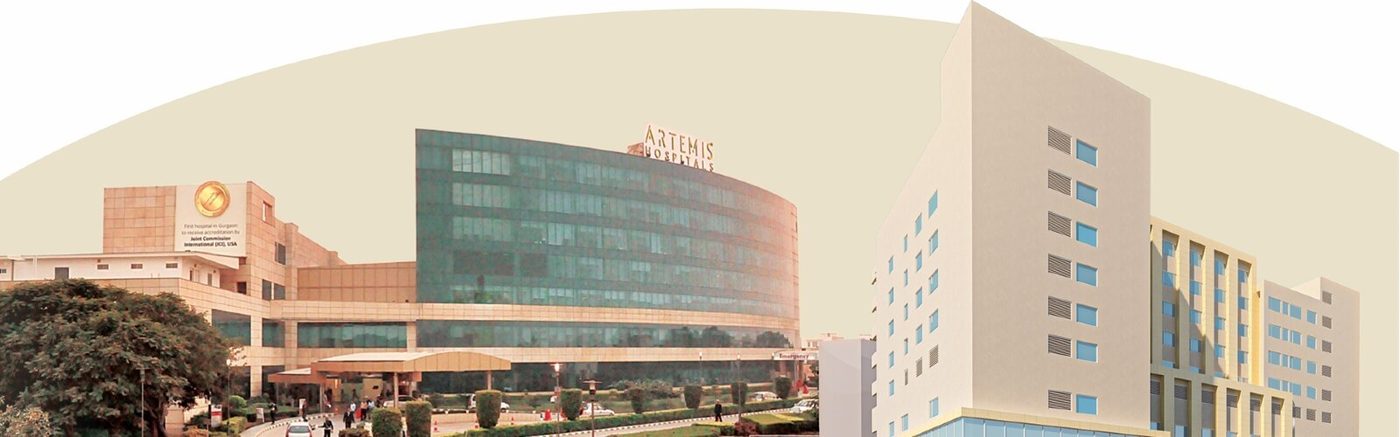
Latest technology, multi-disciplinary capability, state-of-the-art facilities, advanced infrastructure and excellent patient care ambience at Indian hospitals help in maintaining freshness. Many obesity surgery hospitals have achieved accreditation from Joint Commission International (JCI), USA.
Weight loss treatment and obesity surgery is after checking the patients physic, and the treatment or surgery is offered only after having detailed medical investigation of the patient.
Some common procedures for obesity surgery are Gastric Banding: The Adjustable Gastric Band is a hollow band made of sylastic which is placed around the upper third portion of your stomach to create a small stomach pouch that initially holds 2 ounces offood, and eventually holds up to 4 to 6 ounces.
Creating this restricted stomach space in the upper portion of the stomach that causes a longer lasting feeling of fullness because the nerves signal the brain that are located in the upper area of the stomach when you're full. Gastric bypass Gastric bypass procedures are combination operations.
That is, they combine both restrictive and malabsorptive obesity surgery techniques, A small stomach pouch is created to restrict the amount of food you can eat. Construction of a bypass in the duodenum and other parts of the small intestine done to cause malabsorption.
Suitability And Evaluation
India is considered the as a leading country promoting medical tourism-and now it is moving into a new area of "medical outsourcing". Medical tourism has become a common form of vacationing, and covers a broad spectrum of medical services. Medical tourism mixes leisure, fun and relaxation together with wellness and healthcare.
India is well known for its marvelous architecture, temples, festivals, beaches, resorts, picturesque cities and overachievers that together create a culture that is distinct in India.
To know the patients experiences concerning their obesity surgery in India at metros of Delhi and Mumbai you may switch to patient testimonial pages or to have more details about obesity surgery in India log on to Forerunners Healthcare
What Patients Should Confirm
Patients should confirm medical fitness, BMI history, diabetes or sleep-apnea status, nutritional review, and the lifestyle plan expected after the procedure.
Before requesting a medical opinion, keep recent reports, imaging files, discharge summaries, prescriptions, and a short symptom timeline ready. This helps the specialist review the case without unnecessary back-and-forth.
Travel And Follow-Up Planning
International patients should ask about visa documents, attendant needs, estimated hospital stay, nearby accommodation, fitness-to-fly advice, and how follow-up will continue after returning home.
Forerunners Healthcare can coordinate hospital options, doctor review, appointment planning, travel support, and cost estimates while keeping the final medical decision with the treating specialist.
Care Planning Checklist
Before confirming treatment, patients should share recent reports, imaging, prescriptions, allergy details, previous discharge summaries, and a short timeline of symptoms or diagnosis. This helps the hospital team give a clearer medical opinion and a more realistic cost estimate.
Patients should also confirm the expected hospital stay, attendant needs, visa documents, airport transfers, accommodation near the hospital, payment inclusions, and what may change if extra tests or a longer stay are required.
Follow-up planning should be discussed before travel. Ask what warning signs need urgent attention, when flying is usually reviewed, how medicines or dressings will be managed, and how the treating team will coordinate after the patient returns home.