Overview
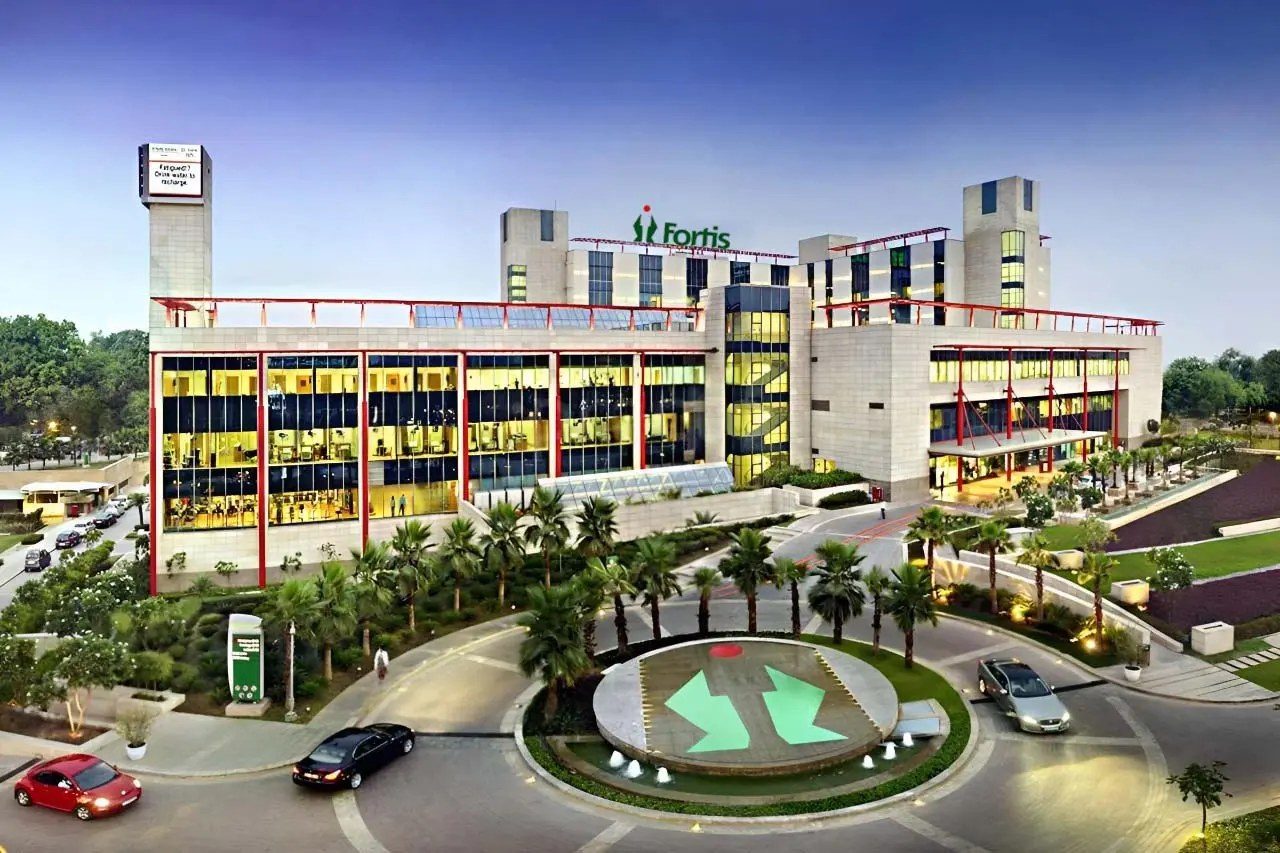
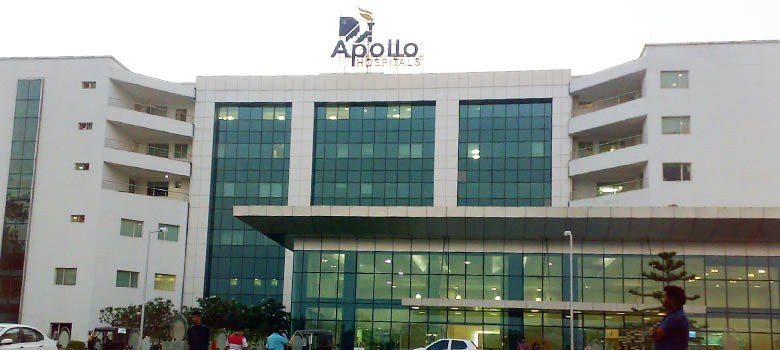
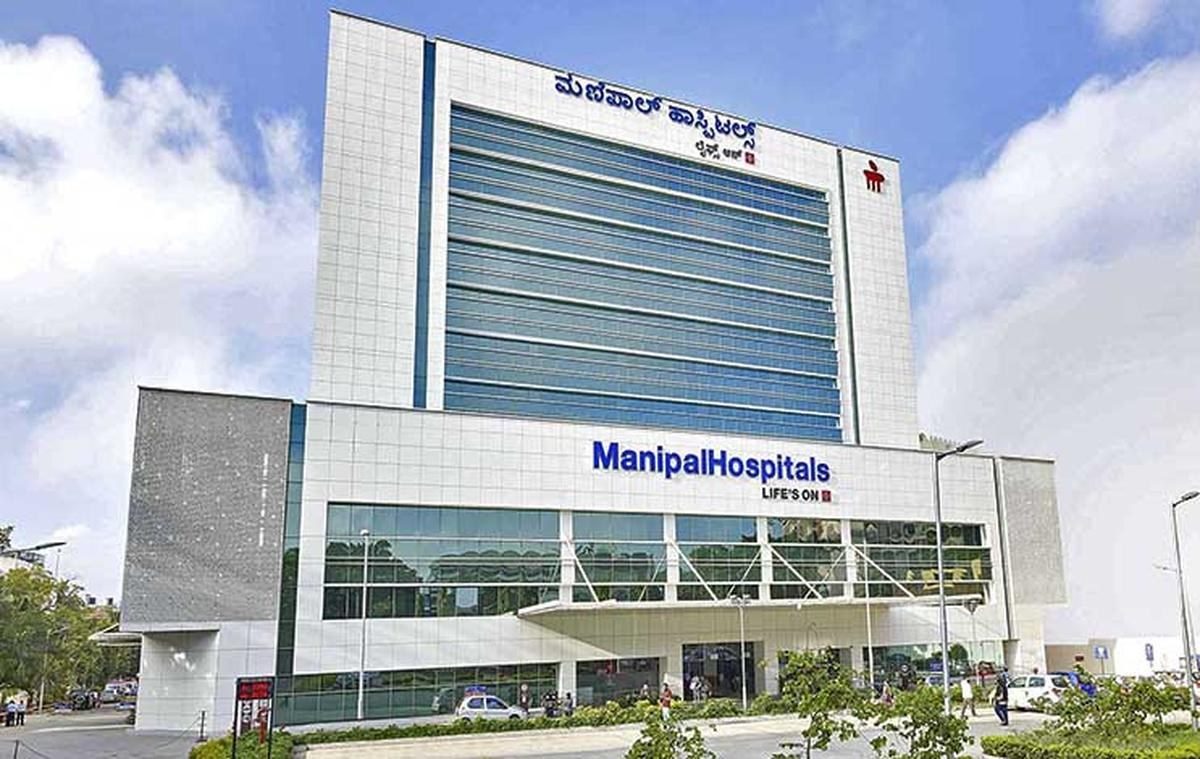
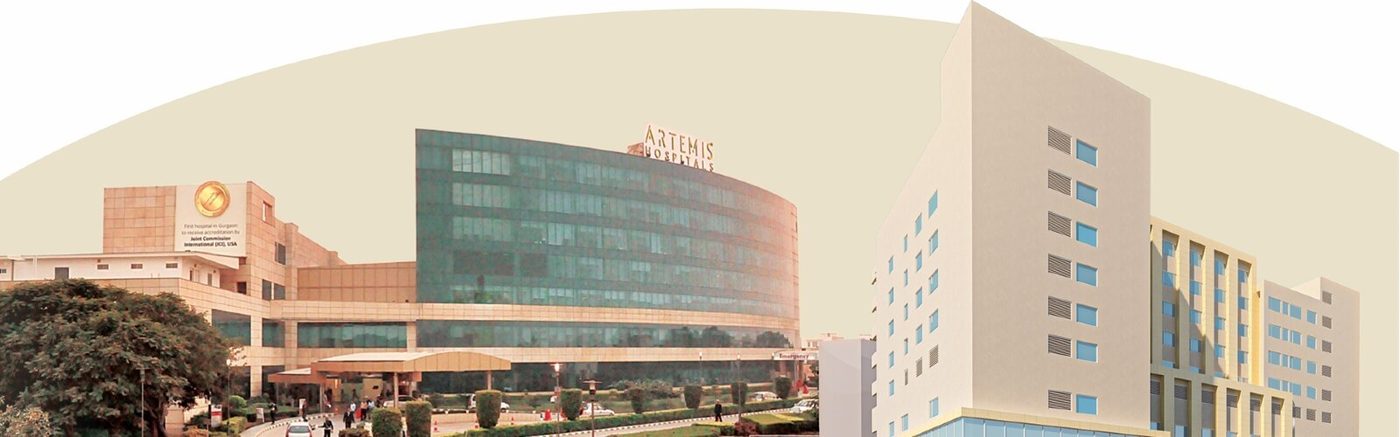
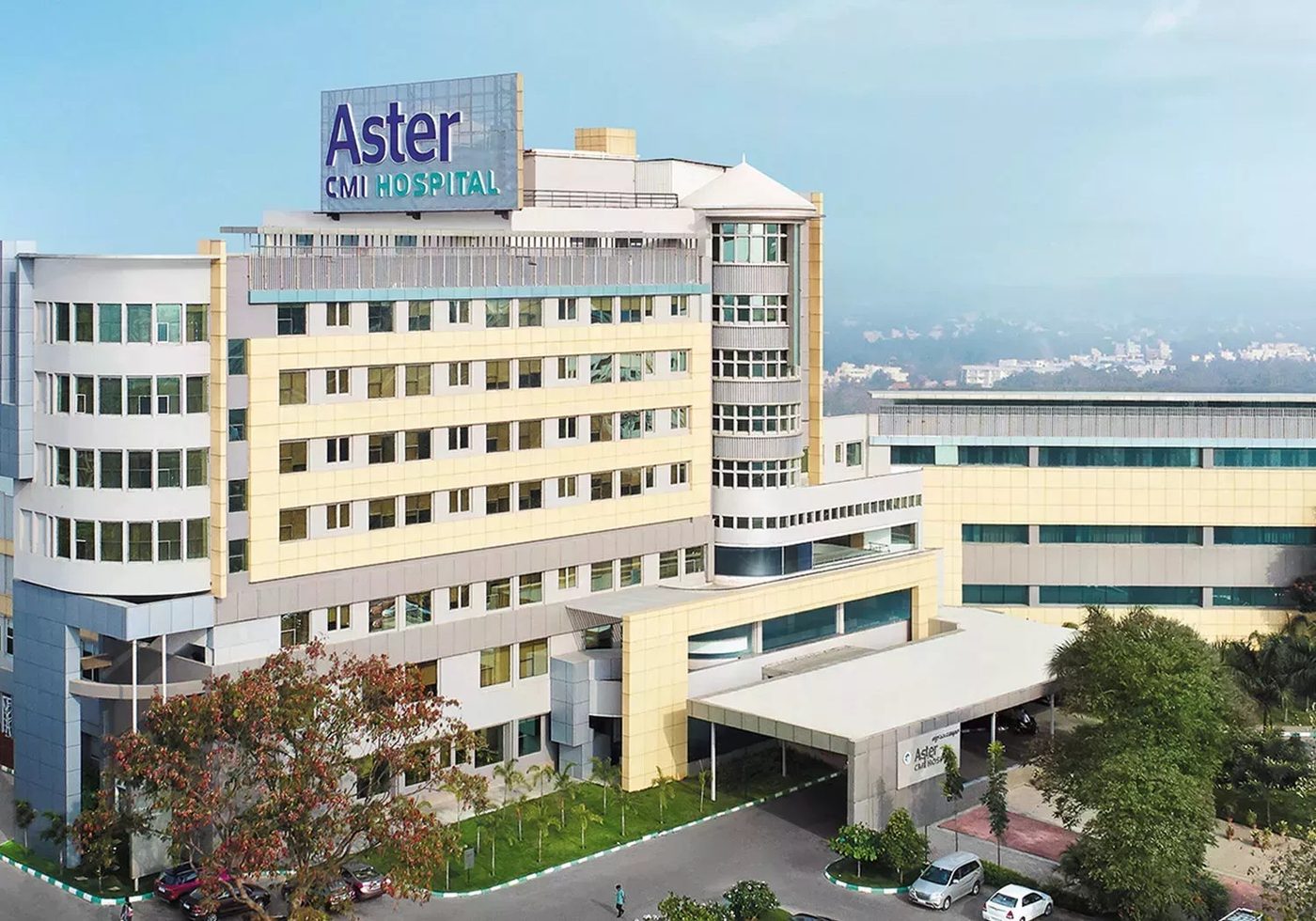
India is well known for its advanced medical techniques for various treatments. Recently few new advanced international institute of bladder cancer surgery have been opened in most prominent cities of India which has all modern technology surgical equipments for bladder cancer surgery in India.
International institute of bladder cancer surgery in India has various surgical equipments like new radiation oncology center, CBCC facility and treatment technologies on a single machine.
The institute also incorporates Varian's respiratory gating technology for synchronizing treatment with the patient's normal breathing pattern, enabling treatment of lung and other tumors that move as the patient breathes and brachytherapy which is a way of treating cancer from inside by placing tiny radiation sources in or near a targeted tumor.
Bladder cancer is the fifth most common neoplasm and the twelfth leading cause of cancer death. Males are affected three times more frequently than women. Numerous chemicals are suspected bladder cancer forming agents, however, only cigarette smoking and occupational exposure to a certain class of organic chemicals called aromatic amines are well-established risk factors.
There are many treatment options for bladder cancer patients, some have long been in use, some are still considered experimental. Each case is unique, and there are many factors to consider before deciding which approach is best for the individual. But unfortunately a cure has remained elusive for many people. Since none of the approaches is offering a certainty of cure.
Advancement in cancer surgery field makes its treatment possible at early stage of cancer, as the stage of cancer increases it becomes difficult to be cured. No one knows the exact causes of bladder cancer. However, it is clear that this disease is not contagious. No one can "catch" cancer from another person.
People who get bladder cancer are more likely than other people to have certain risk factors. A risk factor is something that increases a person's chance of developing the disease. Still, most people with known risk factors do not get bladder cancer, and many who do get this disease have none of these factors.
There are some factors which are responsible for cancer, it includes: The chance of getting bladder cancer goes up as people get older. People under 40 rarely get this disease. The use of tobacco is a major risk factor. Cigarette smokers are two to three times more likely than nonsmokers to get bladder cancer. Pipe and cigar smokers are also at increased risk.
Being infected with certain parasites increases the risk of bladder cancer. Men are two to three times more likely than women to get bladder cancer. People with family members who have bladder cancer are more likely to get the disease. Surgery is a common treatment for bladder cancer. The type of surgery depends largely on the stage and grade of the tumor.
It is essential to get the surgery done at early stage of cancer so that all complications related to health get eliminated at early stage itself.
Diagnosis And Staging
Treatment choices for bladder cancer include surgery to remove the cancer, anti-cancer drugs, medicines that help your immune system, and radiation. The treatment depends a lot on how much the cancer has grown. Most bladder cancers are treated without having to remove the bladder. Sometimes doctors do have to remove the bladder.
The surgeons of India are highly experienced in their field of activity and are successfully providing treatment to patients from past couple of years; this is clear from the reported outcome rate of bladder cancer surgery in India.
The cost of different treatment procedures being performed in India is lower compared to that of the cost of same surgical treatment in other developed countries like the U.S. and U.K. because of there available facilities, specialist-led care planning and low cost of treatment in India, many international patients are attracted to India for their safe and successful treatment in India.
What Patients Should Confirm
Patients should confirm the diagnosis, stage, biopsy summary, imaging reports, and whether the plan includes surgery, chemotherapy, radiation, targeted therapy, or a combination.
Before requesting a medical opinion, keep recent reports, imaging files, discharge summaries, prescriptions, and a short symptom timeline ready. This helps the specialist review the case without unnecessary back-and-forth.
Travel And Follow-Up Planning
International patients should ask about visa documents, attendant needs, estimated hospital stay, nearby accommodation, fitness-to-fly advice, and how follow-up will continue after returning home.
Forerunners Healthcare can coordinate hospital options, doctor review, appointment planning, travel support, and cost estimates while keeping the final medical decision with the treating specialist.
Care Planning Checklist
Before confirming treatment, patients should share recent reports, imaging, prescriptions, allergy details, previous discharge summaries, and a short timeline of symptoms or diagnosis. This helps the hospital team give a clearer medical opinion and a more realistic cost estimate.
Patients should also confirm the expected hospital stay, attendant needs, visa documents, airport transfers, accommodation near the hospital, payment inclusions, and what may change if extra tests or a longer stay are required.
Follow-up planning should be discussed before travel. Ask what warning signs need urgent attention, when flying is usually reviewed, how medicines or dressings will be managed, and how the treating team will coordinate after the patient returns home.