
Overview
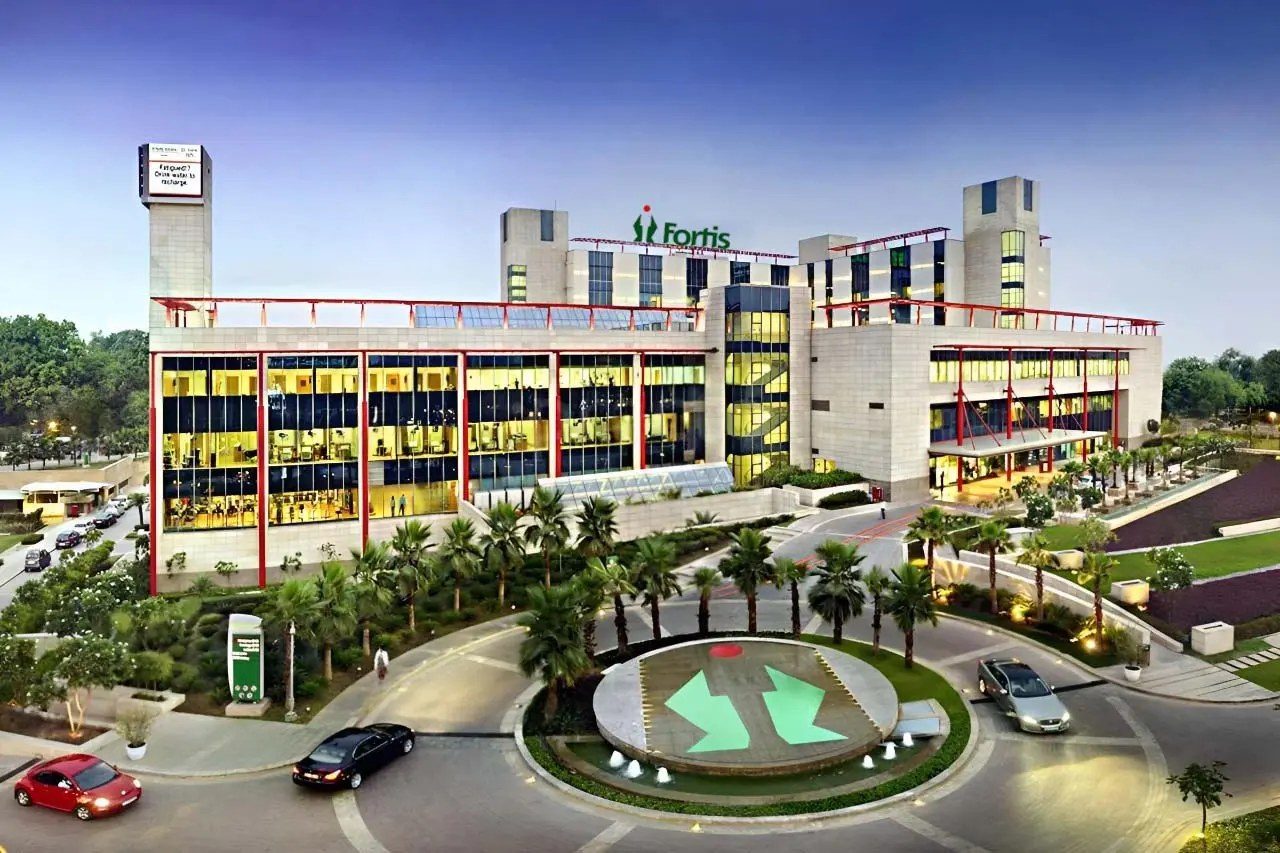
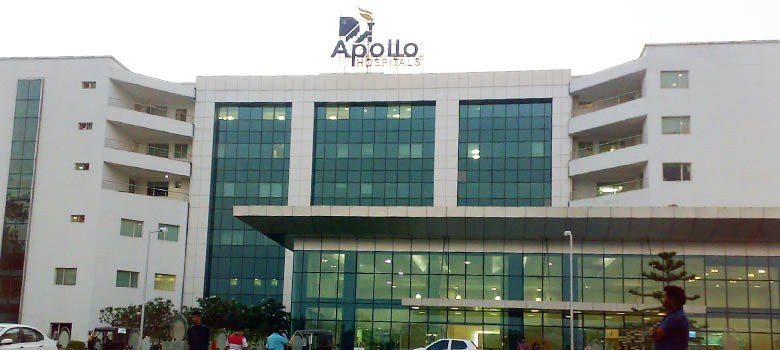
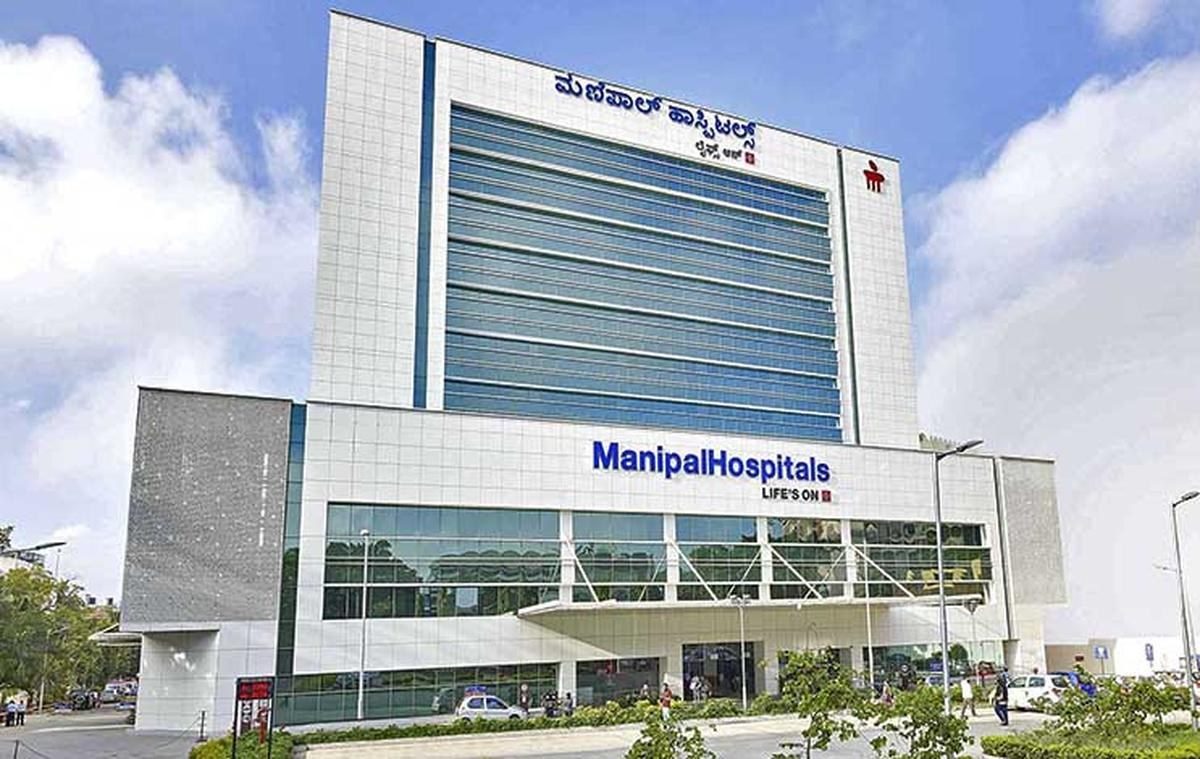
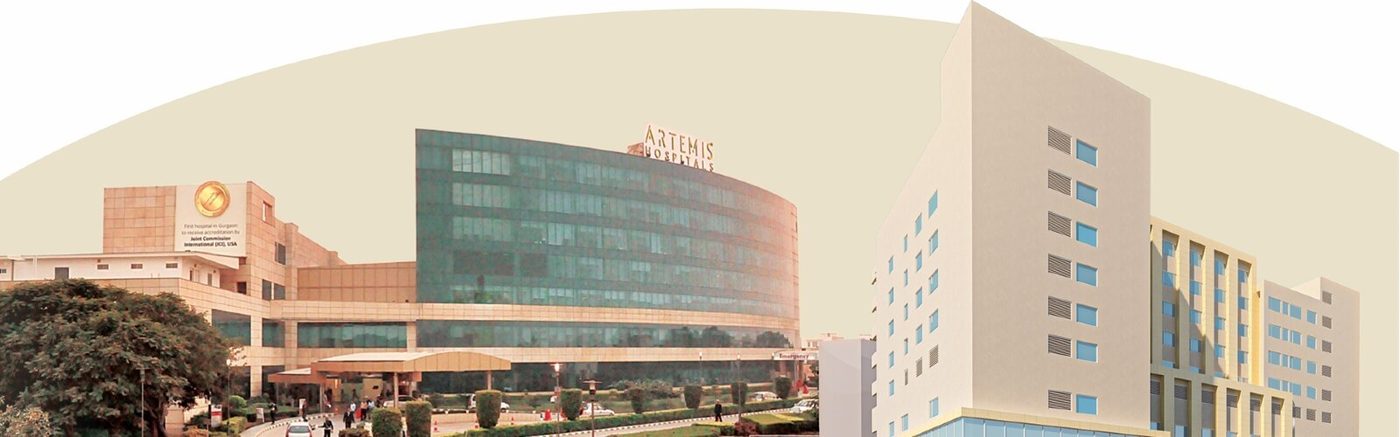
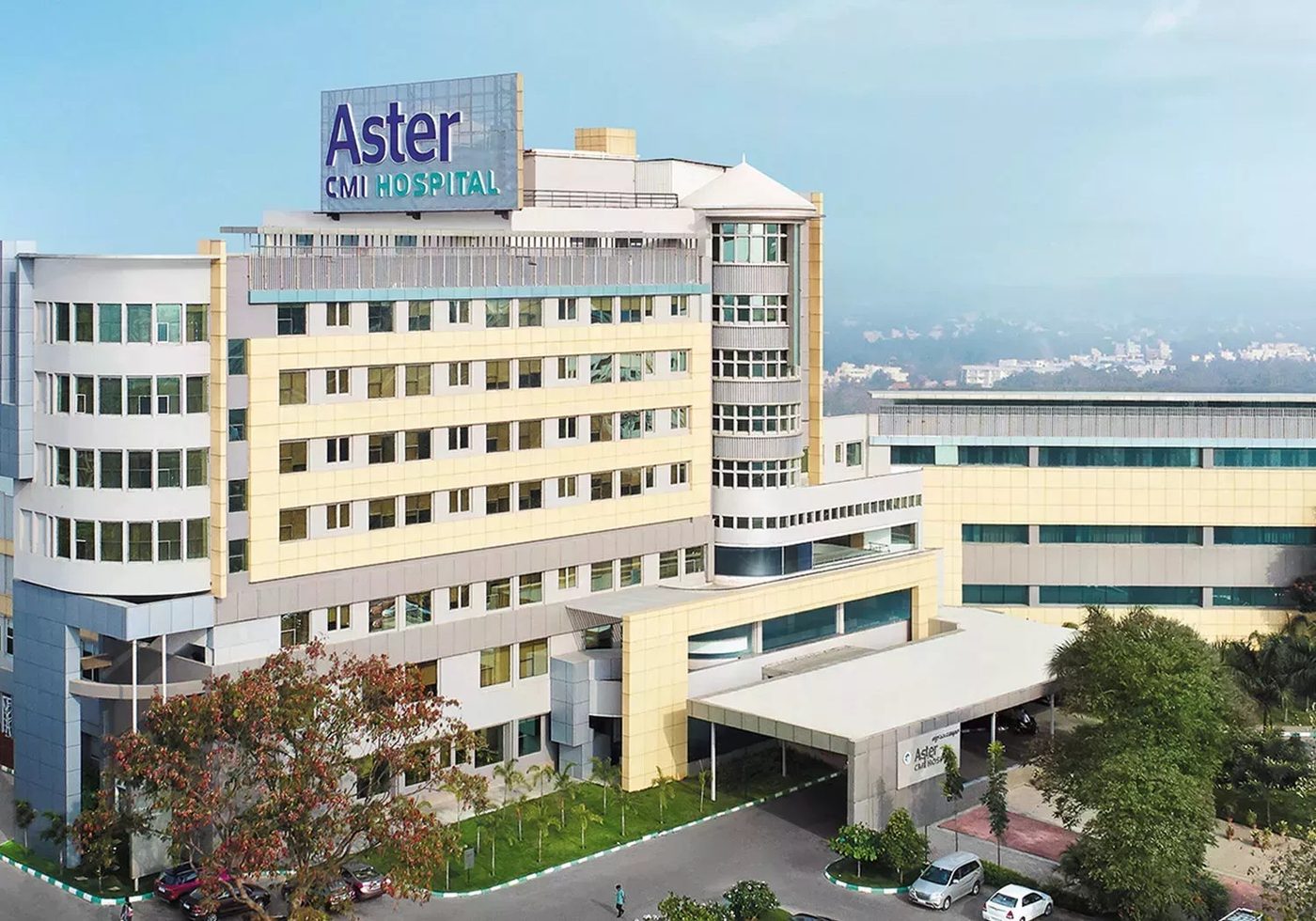
Medical expertise in India is at par with the western countries and most private hospitals in the country have internationally recognized quality standards for this surgery. People from around the world visit India for chiari malformation surgery at low cost and avail high quality medical treatment in some of the best healthcare facilities.
Chiari malformations are treated if the patient is symptomatic, and physicians have determined that there are no complications from hydrocephalus. In some patients, consideration of a tethered cord is also explored. India offers several advantages in terms of being a healthcare destination.
Surgical treatment of these malformations depends on the type of malformation. The goal of surgery is to relieve the symptoms, or stop the progression of the syrinx or symptoms.
Chiari I malformations may be treated surgically with only local decompression of the overlying bones, decompression of the bones and release of the dura (a thick membrane covering the brain and spinal cord), or decompression of the bone and dura and some degree of cerebellar tissue resection. Decompression is performed under general anesthesia.
It consists of removing the back of the foramen magnum and often the back of the first few vertebrae to the point where the cerebellar tonsils end. This provides more space for the brainstem, spinal cord, and descended cerebellar components. A tissue graft is often spliced into this opening to provide even more room for the unimpeded passage of CSF.
Occasionally, the cavity within the spinal cord resulting from hydromyelia can be drained with a diverting shunt tube. This tube can divert the fluid from inside the spinal cord to outside the cord, or be directed to either the chest or abdominal cavity. These procedures can be done together or separately.
Chiari II decompression is treated similarly, but is usually restricted to decompressing the tissues in the spinal canal and leaving the back of the skull alone. The goal of Chiari surgery is optimal decompression of nerve tissue, reconstruction of normal CSF flow around and behind the cerebellum.
Neurological Assessment
Medical services and healthcare facilities in India are available at a very competitive cost for chiari malformation surgery as compared to countries like UK and US. Medical tourism packages offer advanced medical facilities to medical tourists at affordable prices.
Most private hospitals and healthcare facilities are well equipped with state-of-the-art equipments and are well staffed with english speaking and internationally trained medical professionals.
Medical centers have extensive diagnostic and therapeutic resources such as haemodialysis centers, endoscopic suites, magnetic resonance imaging (MRI) facilities, cardiac catheterisation and much more.
Most hospitals and healthcare facilities are staffed by well-experienced and highly qualified English speaking medical professionals with extensive international qualifications and are supported by an equally efficient group of english-speaking paramedic staff. India is a tourist's heaven and its no exception for patients coming from other western sides.
What Patients Should Confirm
Patients should confirm MRI or CT findings, neurological symptoms, previous treatment, surgical risks, rehabilitation needs, and expected monitoring after discharge.
Before requesting a medical opinion, keep recent reports, imaging files, discharge summaries, prescriptions, and a short symptom timeline ready. This helps the specialist review the case without unnecessary back-and-forth.
Travel And Follow-Up Planning
International patients should ask about visa documents, attendant needs, estimated hospital stay, nearby accommodation, fitness-to-fly advice, and how follow-up will continue after returning home.
Forerunners Healthcare can coordinate hospital options, doctor review, appointment planning, travel support, and cost estimates while keeping the final medical decision with the treating specialist.
Care Planning Checklist
Before confirming treatment, patients should share recent reports, imaging, prescriptions, allergy details, previous discharge summaries, and a short timeline of symptoms or diagnosis. This helps the hospital team give a clearer medical opinion and a more realistic cost estimate.
Patients should also confirm the expected hospital stay, attendant needs, visa documents, airport transfers, accommodation near the hospital, payment inclusions, and what may change if extra tests or a longer stay are required.
Follow-up planning should be discussed before travel. Ask what warning signs need urgent attention, when flying is usually reviewed, how medicines or dressings will be managed, and how the treating team will coordinate after the patient returns home.