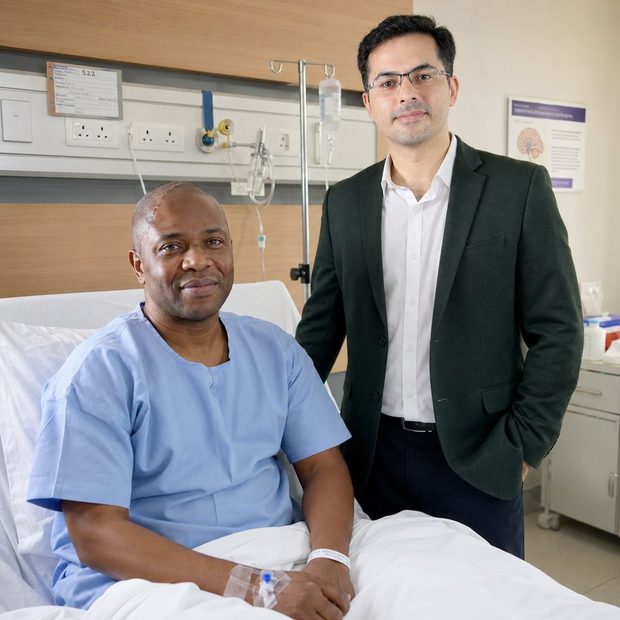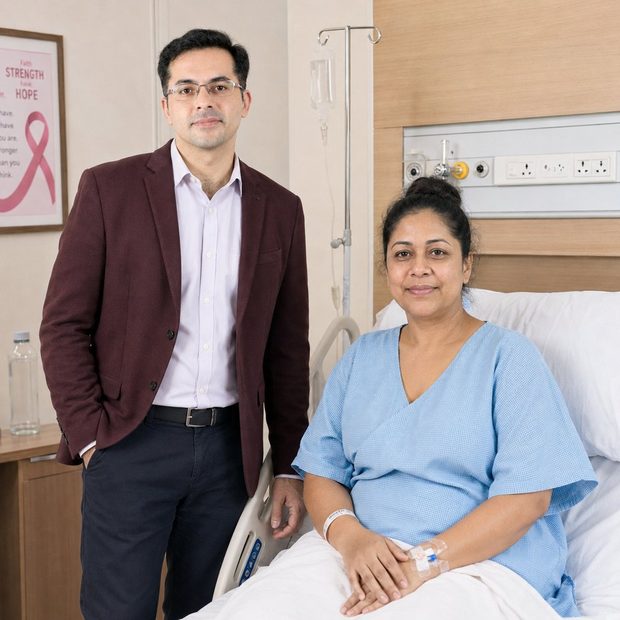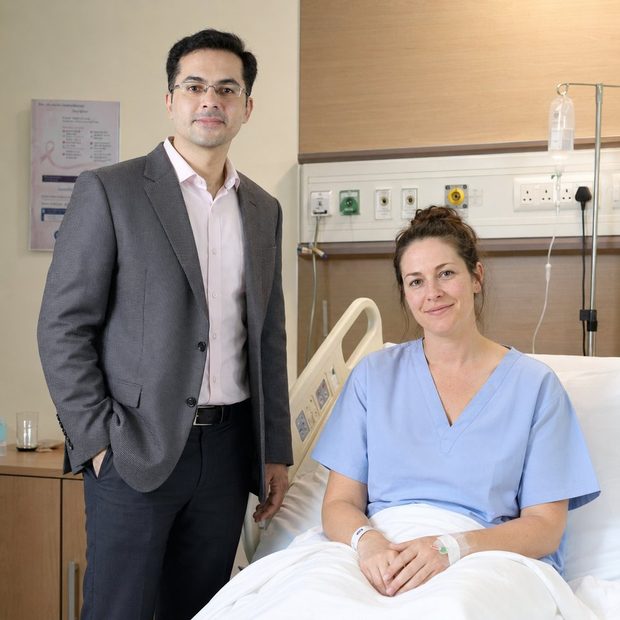
Overview
The cost of craniofacial surgery in India is now affordable for all those medical tourists who are faced with long waiting times for specialist appointments, medical screening, diagnostic testing, hospitalization, treatment and/or surgery at very higher prices. You can also compare the cost of different medical procedures provided by India and other developed nations.
Craniofacial surgery is an area dedicated to the reconstruction of the skeletal structures of the skull and facial bones. Maxillofacial surgery focuses on reconstruction of facial and jawbones, and the teeth. There is overlap of the two disciplines and frequently plastic surgeons will have expertise in both.
Craniofacial surgery is available in India at a comparative cost at cities like Mumbai, Delhi, Pune, Bangalore and Hyderabad.
Craniofacial surgery is often associated with pediatric plastic surgery as well. Infants that are born with various craniofacial syndromes and anomalies can exhibit mild to severe deformities of the skull and facial bones. In a condition called craniosynostosis, premature fusion of the soft skull bones of a newborn and lead to characteristically abnormal head shapes.
This fusion causes restriction of skull growth in the affected area causing increased intra-cranial pressure and can lead to mental retardation or developmental delays. Surgery is typically performed in the first 3 to 24 months of life to remove the abnormal bone, reshape it, and re-affix the bone onto the skull base.
This allows for correction of the contour deformity and increased intra-cranial space to relieve the excess pressure on the brain. A neurosurgeon and plastic/craniofacial surgeon usually comprises the “team” of doctors. Other craniofacial abnormalities can result from tumor excisions or lack of facial growth.
Other techniques for reconstruction can be utilized such as bone grafting and distraction. Distraction refers to a strategy of cutting bone and gradually “stretching” it by increasing a gap between the bone segments. The “gap” then eventually fills in with new bone that heals to the surrounding bone.
Mandibular Distraction is a procedure that is often performed in children with jaw deformities such as micrognathia in Pierre-Robin Sequence or with Hemifacial Microsomia.
Child-Specific Evaluation
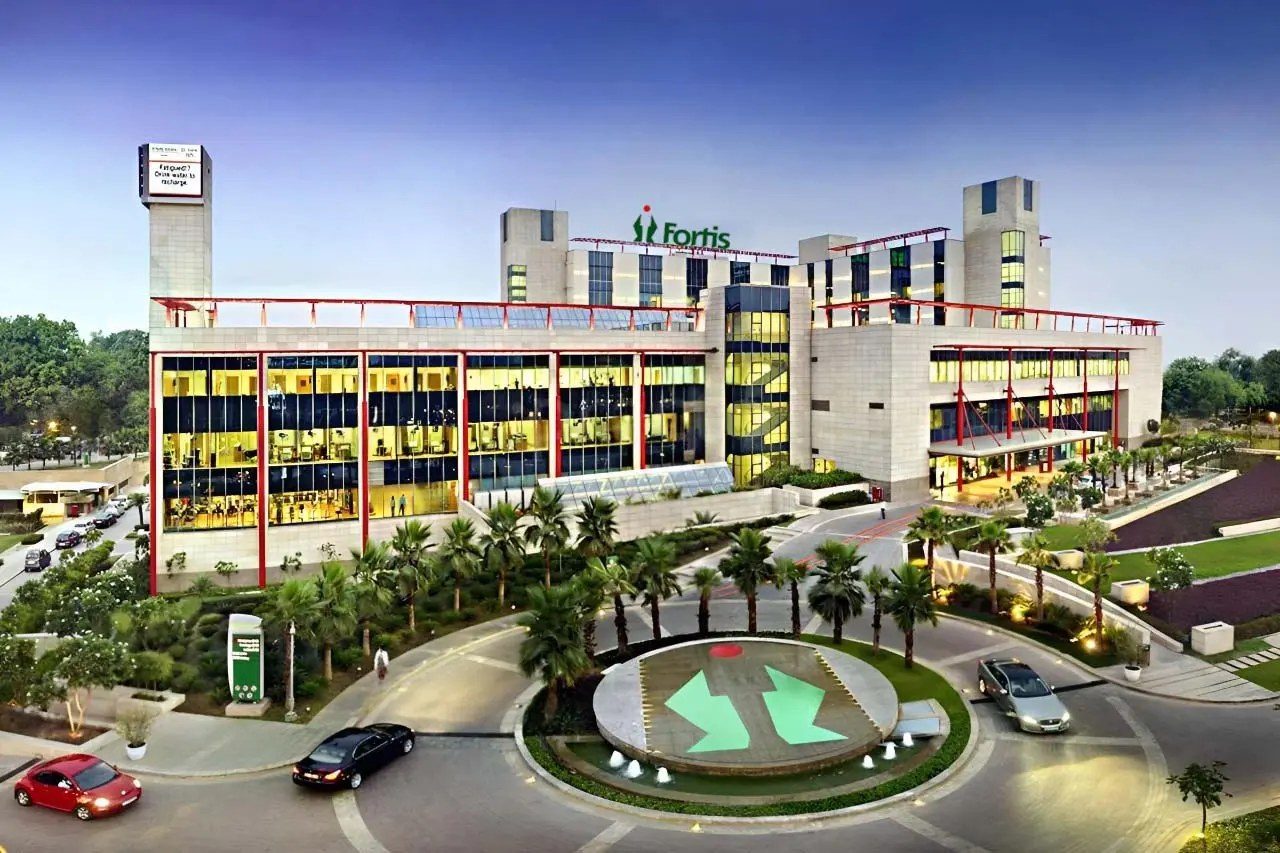
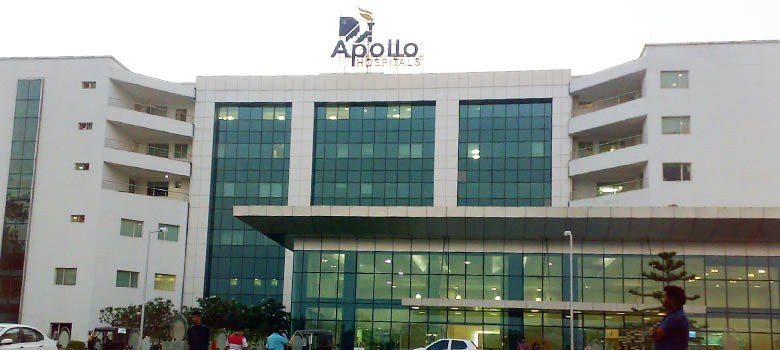
India has originated as one of the most important hubs for medical tourism. Many people from the developed countries come to India for the craniofacial surgery at a low cost.
Here is a nice blend of top-class medical expertise at attractive prices is helping more and more Indian corporate hospitals to lure foreign patients, including patients from developed nations such as the UK and the US, for high end surgeries like Cardiac ByPass Surgery or a Knee/Hip Replacement.
As more and more patients from Europe, the USA and other affluent nations with high medical costs look for effective options, healthcare tourism in India is definitely on the cards for most of them and the fast growing Indian corporate health sector is fully geared to meet that need.
To know more about the cost of craniofacial surgery in India, fill up the enquiry form.
What Patients Should Confirm
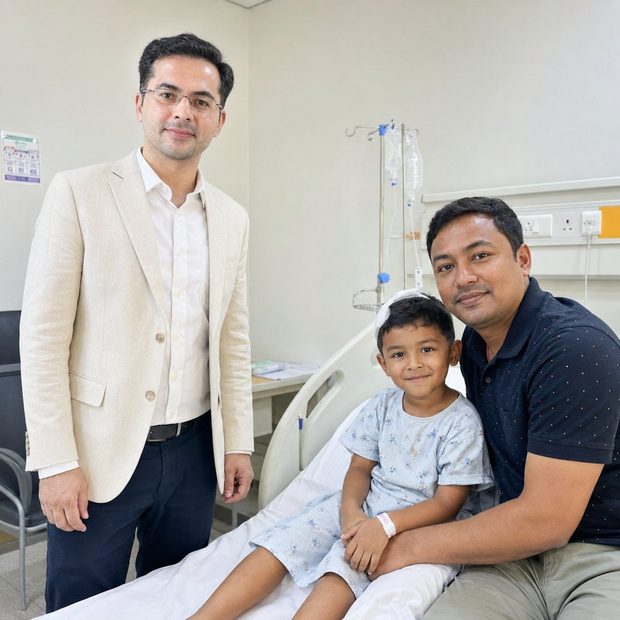
Families should confirm the child's diagnosis, age-specific risks, parent accommodation, infection precautions, feeding or medication needs, and follow-up schedule.
Before requesting a medical opinion, keep recent reports, imaging files, discharge summaries, prescriptions, and a short symptom timeline ready. This helps the specialist review the case without unnecessary back-and-forth.
Travel And Follow-Up Planning
International patients should ask about visa documents, attendant needs, estimated hospital stay, nearby accommodation, fitness-to-fly advice, and how follow-up will continue after returning home.
Forerunners Healthcare can coordinate hospital options, doctor review, appointment planning, travel support, and cost estimates while keeping the final medical decision with the treating specialist.
Care Planning Checklist
Before confirming treatment, patients should share recent reports, imaging, prescriptions, allergy details, previous discharge summaries, and a short timeline of symptoms or diagnosis. This helps the hospital team give a clearer medical opinion and a more realistic cost estimate.
Patients should also confirm the expected hospital stay, attendant needs, visa documents, airport transfers, accommodation near the hospital, payment inclusions, and what may change if extra tests or a longer stay are required.
Follow-up planning should be discussed before travel. Ask what warning signs need urgent attention, when flying is usually reviewed, how medicines or dressings will be managed, and how the treating team will coordinate after the patient returns home.