
Overview
Because of this availability of most advanced facilities, expert surgeons, low cost of treatment and specialist-led care planning of lithotripsy surgery in India many international patients are attracted to India for their treatment.
The low cost of surgical treatment in India is just because of the low cost of Indian rupee in international currency market and this doesn’t affect the quality standard of treatment. Patients go back home happily after getting their treatment in India. For past couple of years, patients have been successfully treated in India with specialist-led care planning.
Lithotripsy is also called shock wave lithotripsy, as this non- invasive procedure uses shock waves. In this procedure stones are broken up that form in the kidney, ureter and urinary bladder by the help of shock waves. There are many forms of it. But the most common is extracorporeal shock wave lithotripsy. Extracorporeal means outside the body.
If you have stone in kidney, ureter or urinary bladder then surely you are the one for this treatment. It is important to keep in mind the size, location, shape and number of stones in the urinary organs. Doctors will instruct you not to eat or drink anything before this procedure.
Before this procedure a whole physical examination will be taken to determine the number of stones in urinary organs. This test is called Intravenous pyelogram. This is a radio- opaque dye which will show up on x-ray as it travels through the bloodstream and will be excreted by the kidneys.
There are some risks involved with this surgery, which are pieces of stone are left in the body, kidney may suffer from bleeding, damage to nearby structures in stomach by ESWL, blockage of urine flow from the kidney, and sign of infection may also occur like strong need to urinate, severe pain, blood in urine.
Abdominal pain is fairly common after ESWL, but it is usually not a cause for worry. However, persistent or severe abdominal pain may imply an unexpected internal injury. Occasionally, stones may not be completely fragmented during the first ESWL treatment and further lithotripsy procedures may be required.
Some people are allergic to the dye material used during an IVP, so it cannot be used. For these people, focused sound waves, called ultrasound, can be used to identify where the stones are located.
When This Care Is Considered
In India many new payment options are available for payment; these advanced treatment options include paying money through western union money transfer, pay-pal account also you can pay through traveler’s cheques. It is a newly-approved procedure which may not be covered by some insurance companies in western countries but in India it can be covered by major insurance companies.
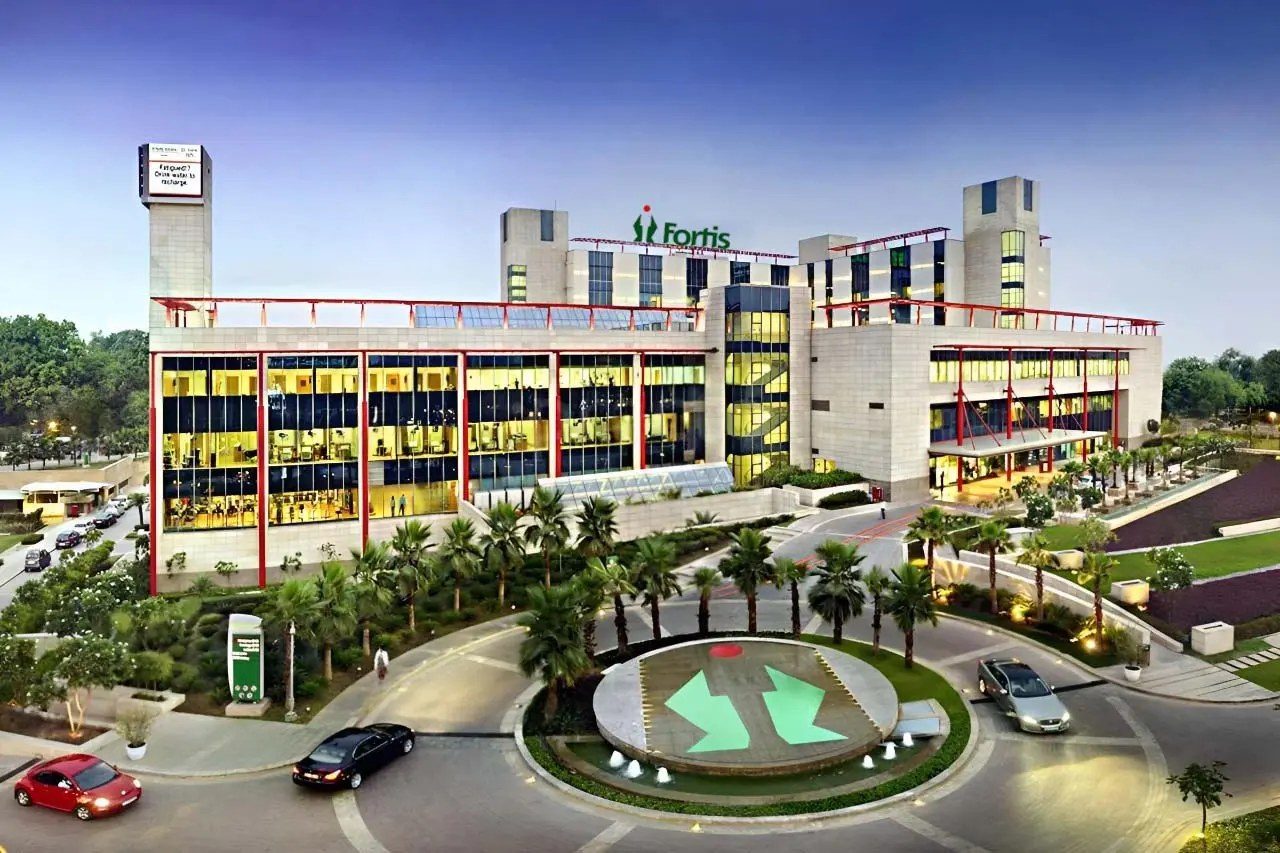
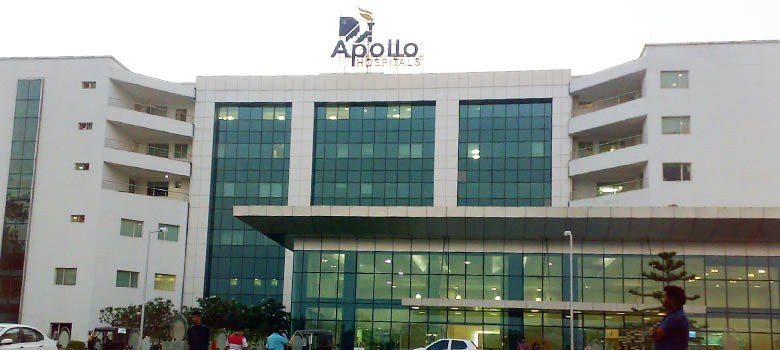
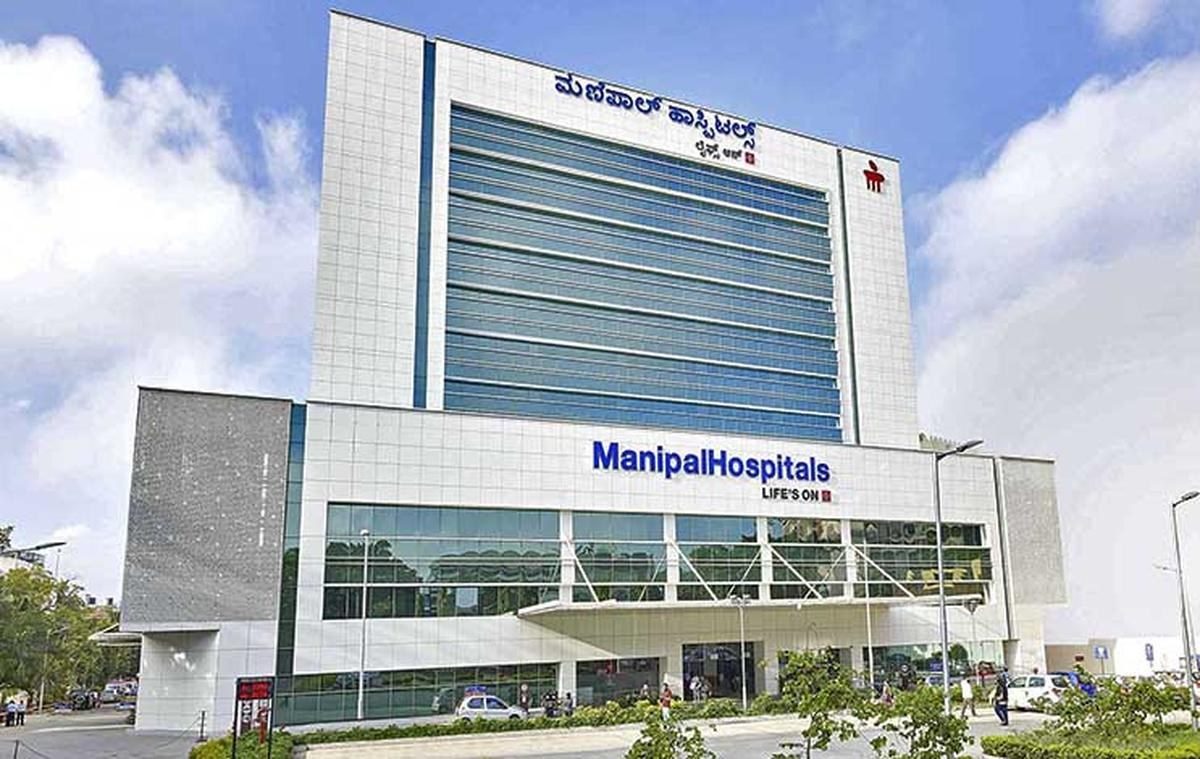
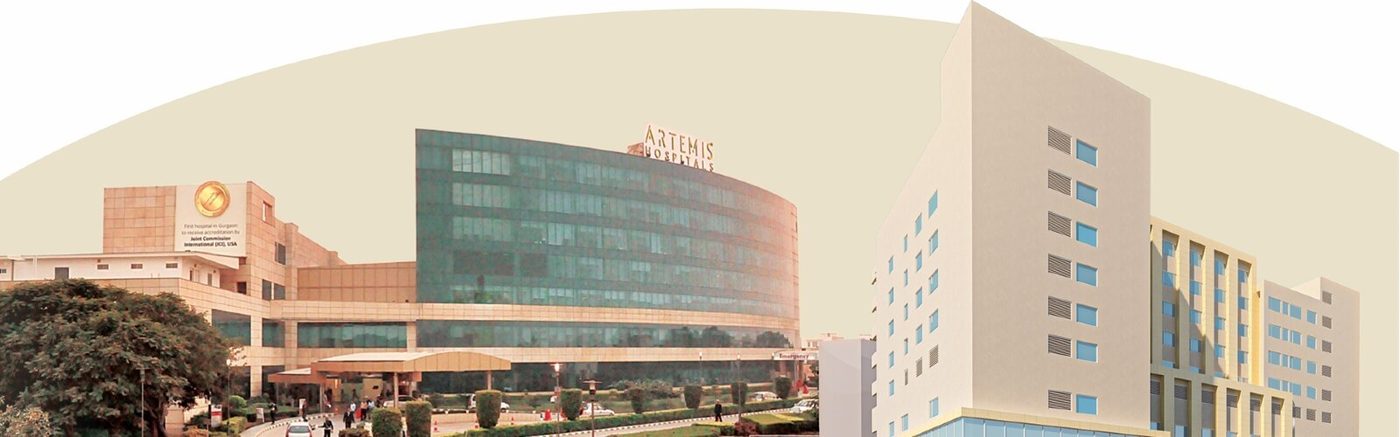
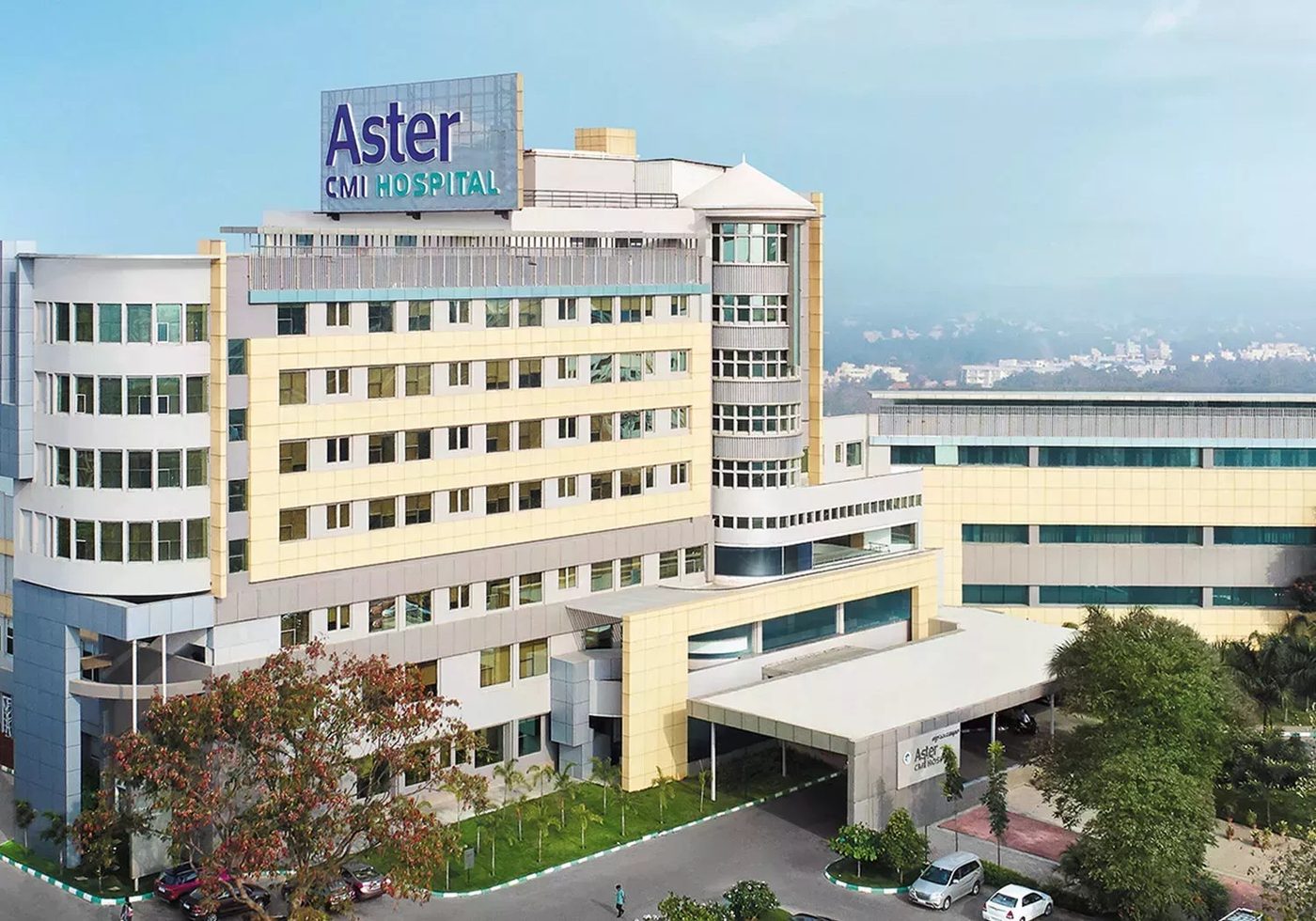
Patients planning to undergo this surgery should make sufficient inquiries to their surgeons regarding the surgery, procedures, risks, cost considerations and alternatives to these treatments. Lithotripsy surgery in India is available in India’s best surgery centers in most prominent cities at Chennai, Hyderabad, Mumbai, Bangalore and Delhi.
In these most prominent cities, best surgery centers are there, where patients can get their surgical treatment done safely and at less cost. The cost of surgical treatment in India is lower compared to that of the cost of same treatment in other developed countries;
What Patients Should Confirm
Patients should confirm the diagnosis, recent reports, current medicines, expected treatment pathway, hospital stay, recovery time, and follow-up plan before travel.
Before requesting a medical opinion, keep recent reports, imaging files, discharge summaries, prescriptions, and a short symptom timeline ready. This helps the specialist review the case without unnecessary back-and-forth.
Travel And Follow-Up Planning
International patients should ask about visa documents, attendant needs, estimated hospital stay, nearby accommodation, fitness-to-fly advice, and how follow-up will continue after returning home.
Forerunners Healthcare can coordinate hospital options, doctor review, appointment planning, travel support, and cost estimates while keeping the final medical decision with the treating specialist.
Care Planning Checklist
Before confirming treatment, patients should share recent reports, imaging, prescriptions, allergy details, previous discharge summaries, and a short timeline of symptoms or diagnosis. This helps the hospital team give a clearer medical opinion and a more realistic cost estimate.
Patients should also confirm the expected hospital stay, attendant needs, visa documents, airport transfers, accommodation near the hospital, payment inclusions, and what may change if extra tests or a longer stay are required.
Follow-up planning should be discussed before travel. Ask what warning signs need urgent attention, when flying is usually reviewed, how medicines or dressings will be managed, and how the treating team will coordinate after the patient returns home.