
Overview
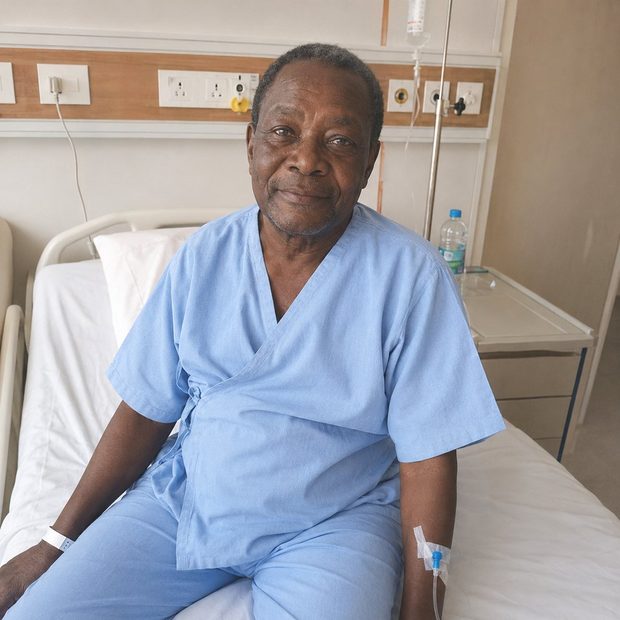
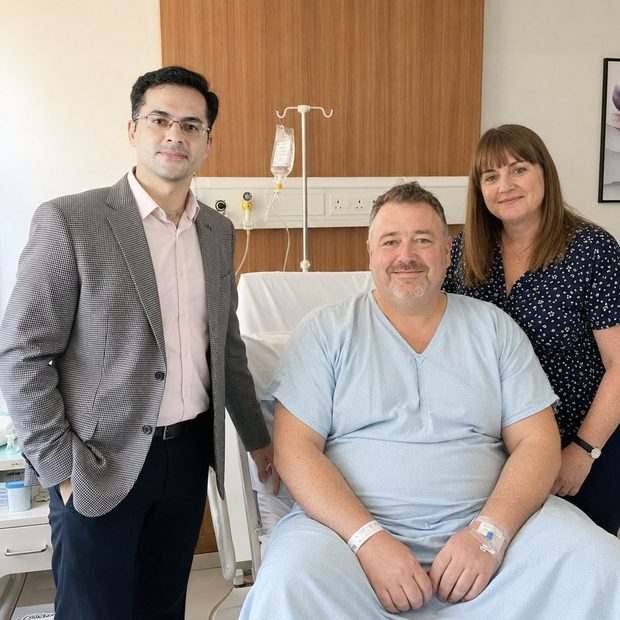
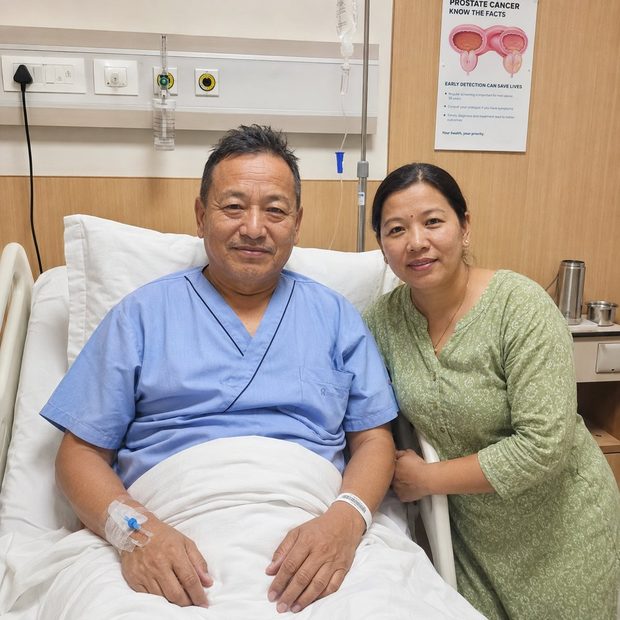
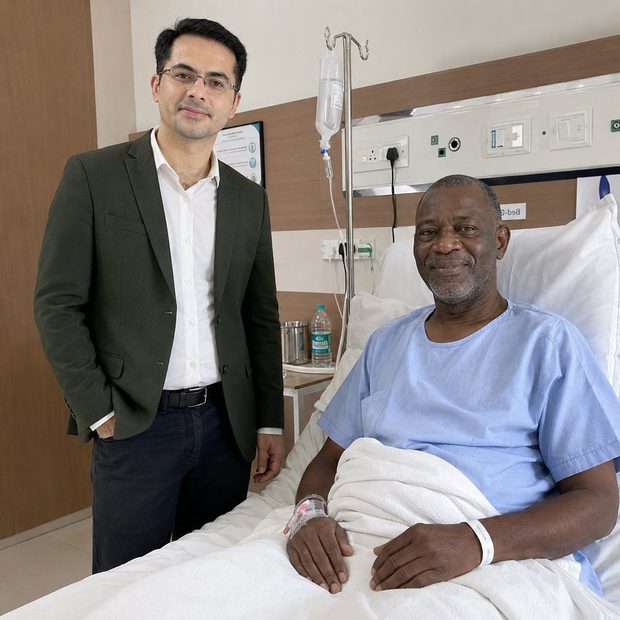
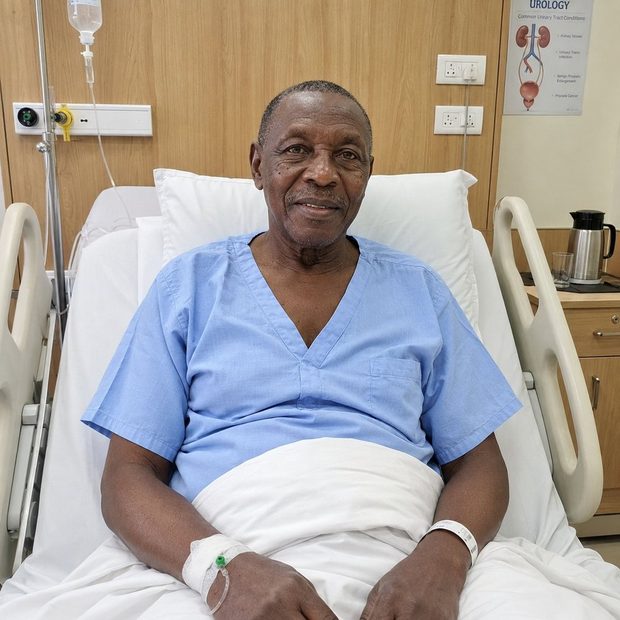
The penis and the scrotum, the pouch of skin that holds the testicles, are left intact. An orchiectomy is done to stop most of the body's production of testosterone, which prostate cancer usually needs in order to continue growing. Patients go back home happily after getting their low cost orchiectomy surgery in India, this is clear from the reported outcome rate of surgery in India.
Orchiectomy is the surgical removal of one or both testicles, or testes, in the human male. It is also called an orchidectomy, particularly in British publications. The removal of both testicles is known as a bilateral orchiectomy, or castration, because the person is no longer able to reproduce. Emasculation is another word that is sometimes used for castration of a male.
Castration in women is the surgical removal of both ovaries. An orchiectomy is done to treat cancer or, for other reasons, to lower the level of testosterone, the primary male sex hormone, in the body.
Surgical removal of a testicle is the usual treatment if a tumor is found within the gland itself, but an orchiectomy may also be performed to treat prostate cancer or cancer of the male breast, as testosterone causes these cancers to grow and metastasize.
An orchiectomy is sometimes done to prevent cancer when an undescended testicle is found in a patient who is beyond the age of puberty. A bilateral orchiectomy is commonly performed as one stage in male-to-female gender reassignment surgery.
It is done both to lower the levels of male hormones in the patient's body and to prepare the genital area for later operations to construct a vagina and external female genitalia. There are three basic types of orchiectomy: simple, subcapsular, and inguinal. The first two types are usually done under local or epidural anesthesia, and take about 30 minutes to perform.
An inguinal orchiectomy is sometimes done under general anesthesia, and takes between 30 minutes and an hour to complete. Normal results depend on the location and stage of the patient's cancer at the time of surgery. Most prostate cancer patients, however, report rapid relief from cancer symptoms after an orchiectomy.
Patients with testicular cancer have a 95% survival rate five years after surgery if the cancer had not spread beyond the testicle. Metastatic testicular cancer, however, has a poorer prognosis.
Diagnosis And Staging
Medical tourism in India provides good assistance to patients for their low cost and safe surgical treatment in India. Insurance companies also provide coverage for orchiectomy surgery and will reimburse the cost of the surgery.
Due to rapid growth in healthcare costs, Nigerian, Canadian and Australian patients in increasing numbers are in search of other alternatives that can reduce their pocket burden for medical expenses. Medical procedures in India cost lower as compared to the ones in U.S, Europe.
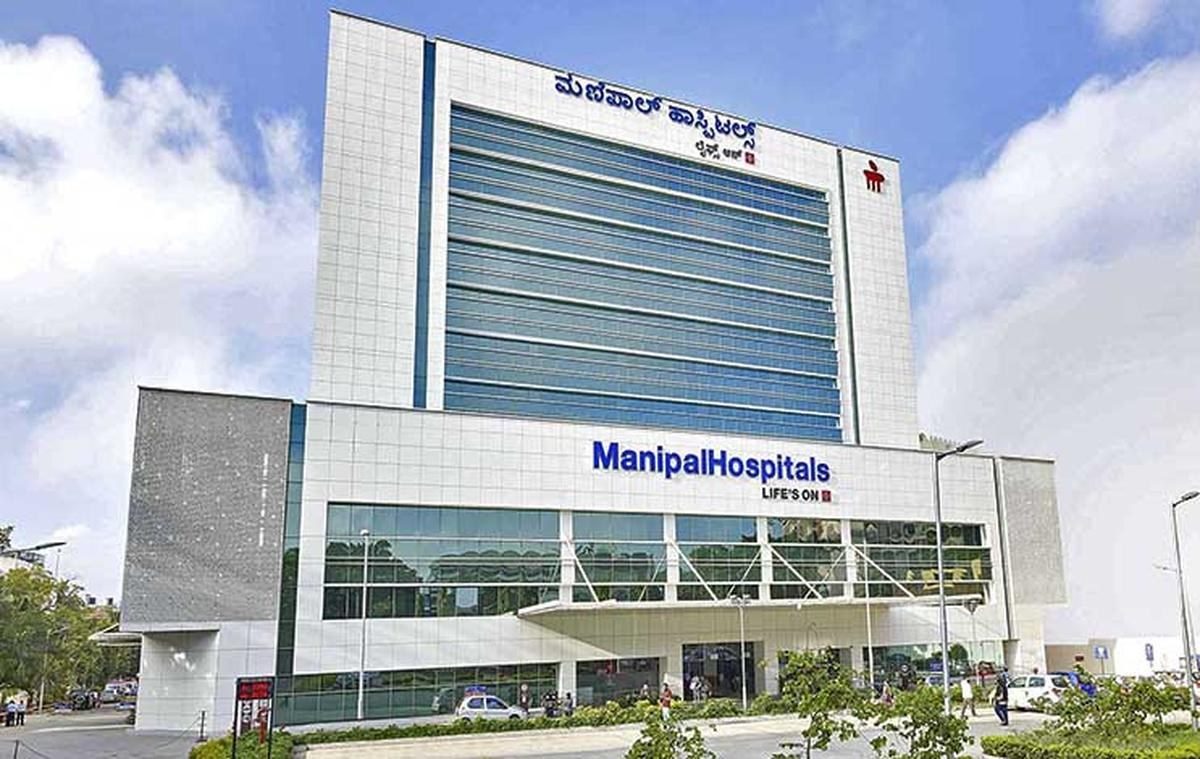
Patients get their low cost orchiectomy surgery in India with appropriate outcomes as the surgery is provided to patients in India's best surgery centers. You can contact us for detailed information of orchiectomy surgery in India by filling up an Enquiry Form.
What Patients Should Confirm
Patients should confirm the diagnosis, stage, biopsy summary, imaging reports, and whether the plan includes surgery, chemotherapy, radiation, targeted therapy, or a combination.
Before requesting a medical opinion, keep recent reports, imaging files, discharge summaries, prescriptions, and a short symptom timeline ready. This helps the specialist review the case without unnecessary back-and-forth.
Travel And Follow-Up Planning
International patients should ask about visa documents, attendant needs, estimated hospital stay, nearby accommodation, fitness-to-fly advice, and how follow-up will continue after returning home.
Forerunners Healthcare can coordinate hospital options, doctor review, appointment planning, travel support, and cost estimates while keeping the final medical decision with the treating specialist.
Care Planning Checklist
Before confirming treatment, patients should share recent reports, imaging, prescriptions, allergy details, previous discharge summaries, and a short timeline of symptoms or diagnosis. This helps the hospital team give a clearer medical opinion and a more realistic cost estimate.
Patients should also confirm the expected hospital stay, attendant needs, visa documents, airport transfers, accommodation near the hospital, payment inclusions, and what may change if extra tests or a longer stay are required.
Follow-up planning should be discussed before travel. Ask what warning signs need urgent attention, when flying is usually reviewed, how medicines or dressings will be managed, and how the treating team will coordinate after the patient returns home.