Overview
Patients have looked beyond their borders for peripheral nerve biopsies surgery in countries like India due to the increasing cost of this surgery at home, restrictive medical insurance coverage or to avoid long waiting times for medical attention. In general, the most affected nerve should be biopsied.
The most common type of biopsy is a sensory nerve biopsy, where about one inch of a sensory nerve in the leg is removed for analysis. In removing this segment, the biopsied nerve no longer functions. This causes a patch of numbness on the top or side of the foot. Although this area of numbness usually resolves in 6-12 months, it nevertheless may be permanent.
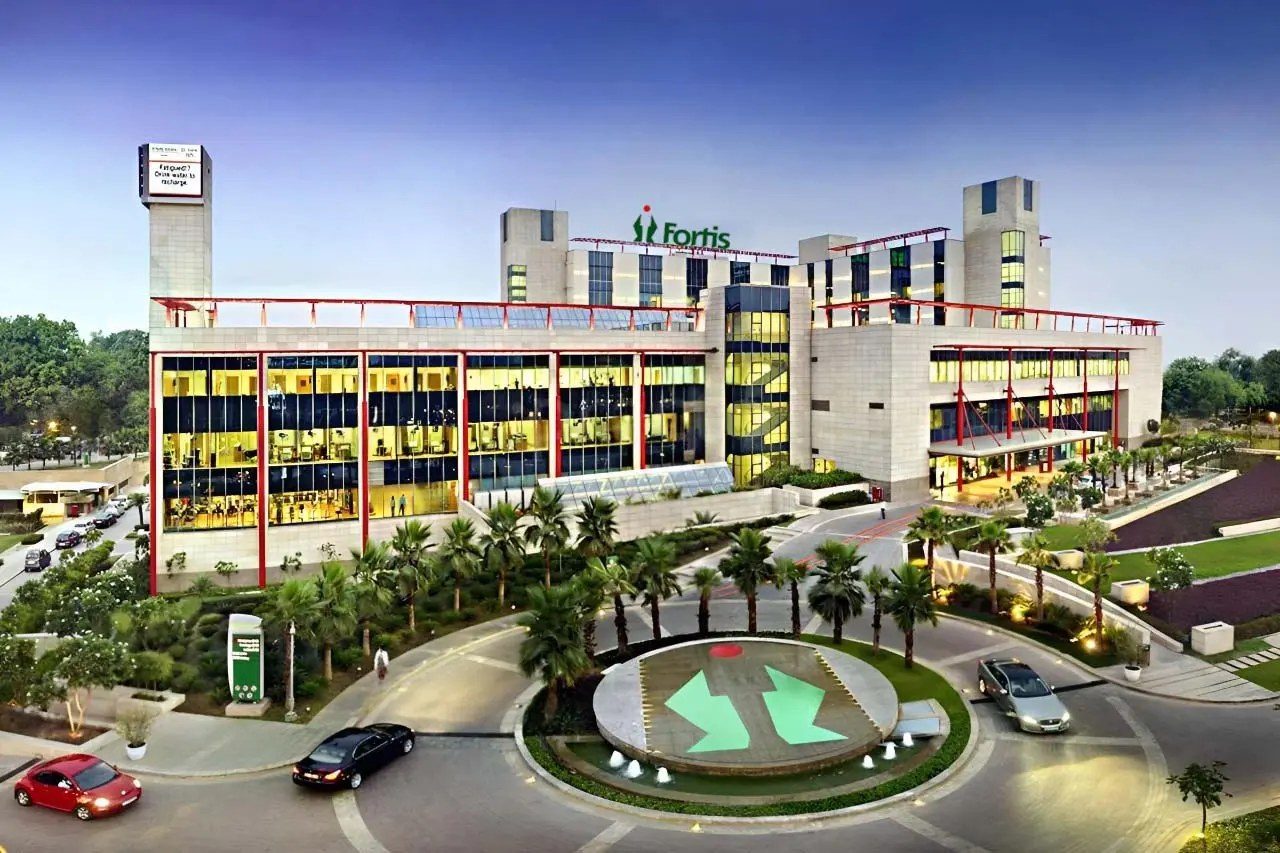
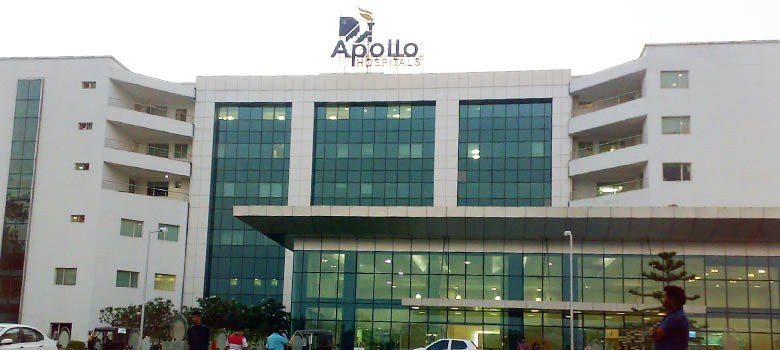
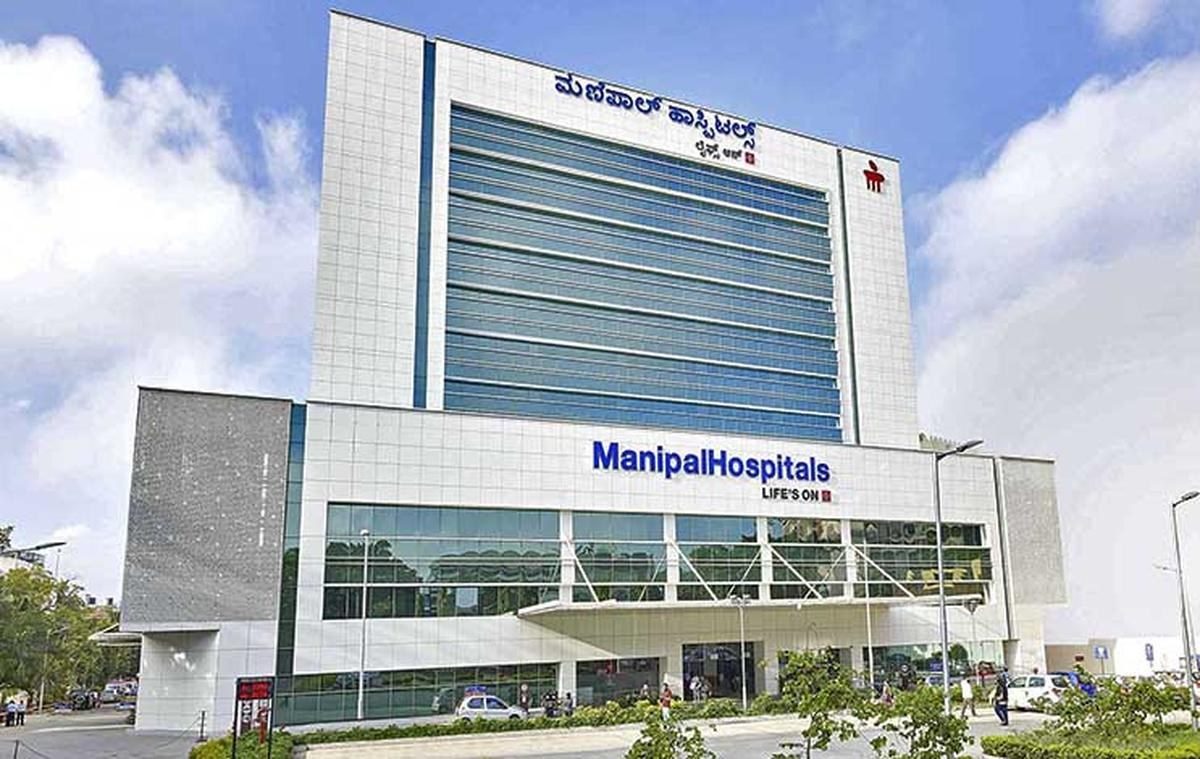
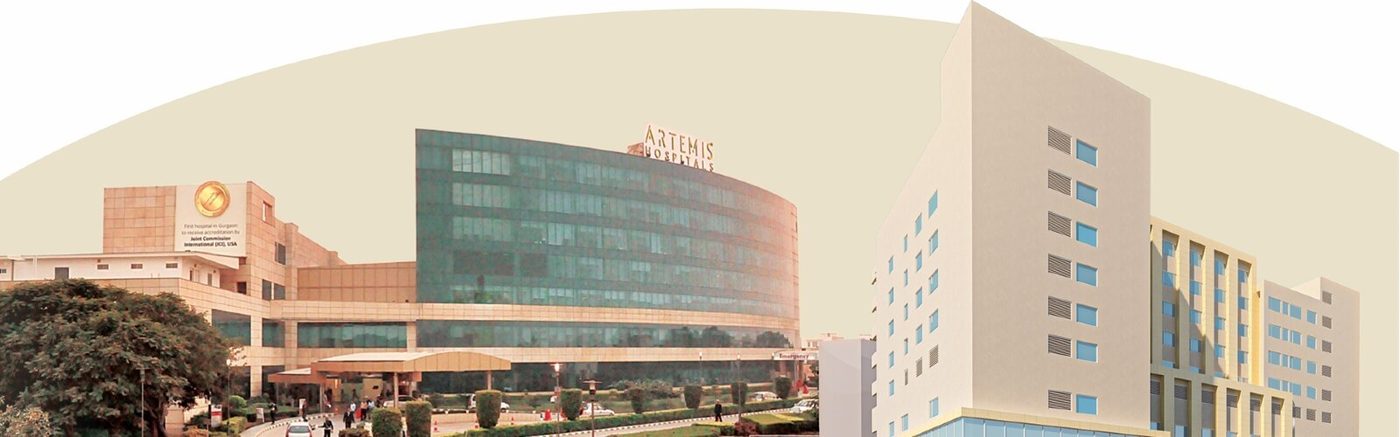
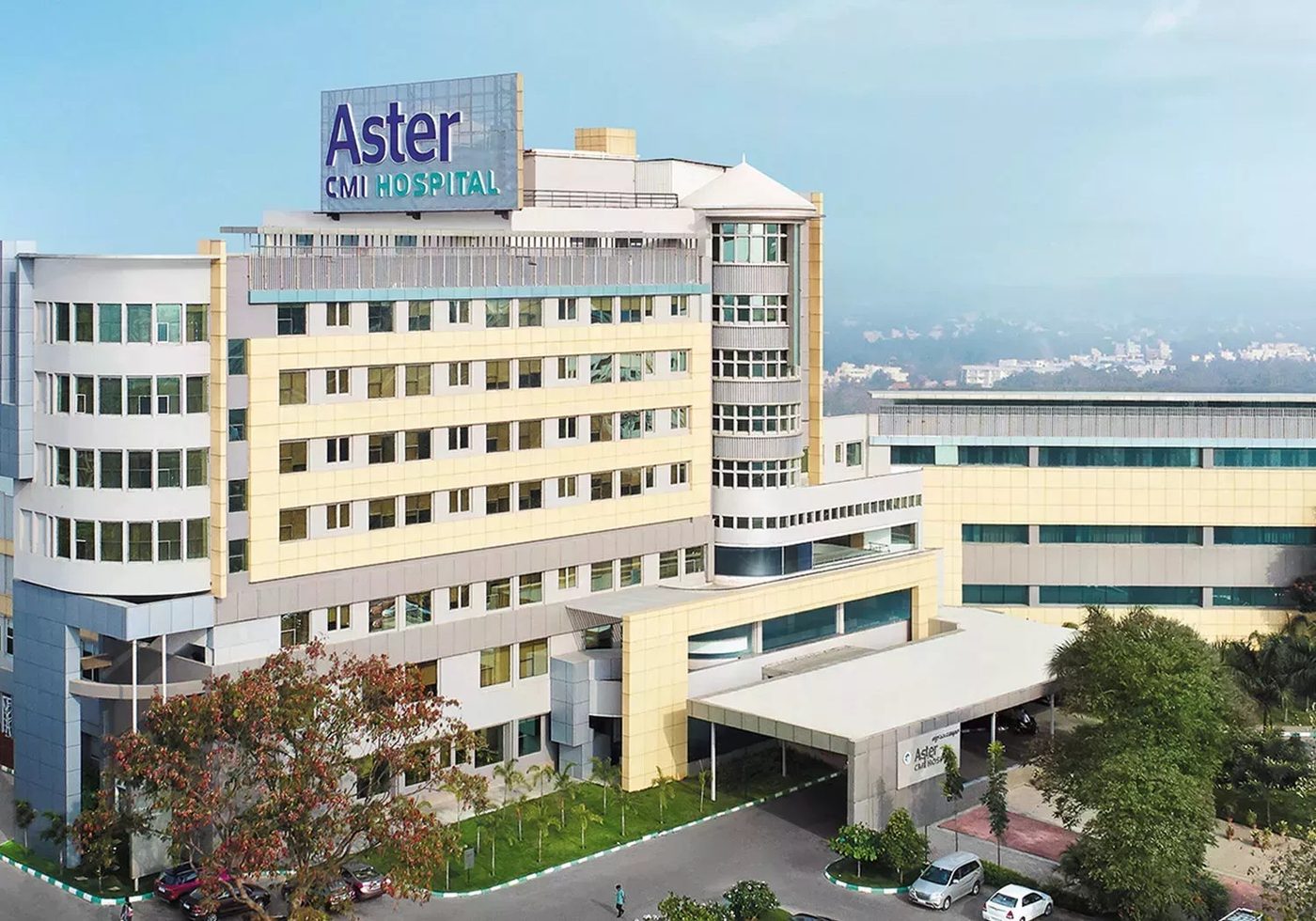
Peripheral nerve biopsies surgery in India is available at cities like Mumbai, Delhi, Chennai, and Hyderabad. The most prestigious medical centers focuses on the state-of-the-art facilities provided for this surgery. A nerve biopsy takes about thirty minutes and is performed in day surgery under sterile conditions.
A nerve biopsy (excluding fascicular biopsies) takes about thirty minutes and is performed in day surgery under sterile conditions. It can either be performed with only a local injection of lidocaine, or with some intravenous sedation. About half of patients request sedation. The incision is about 1.5 inches long, so that a one-inch piece of nerve can be removed.
This size is required for an adequate diagnostic yield. The skin is then closed with two layers of sutures that absorb under the skin. In addition to numbness occurring, the risks of the procedure include about a 1% chance of infection, as well as few percent chance of wound tenderness from neuroma formation.
To prevent this latter complication, the cut nerve is always buried away from the skin so that tenderness rarely occurs. Simultaneous nerve and muscle biopsies can be performed via the same incision, when required. Another alternative is to repair the biopsied nerve with either a local vein or absorbable collagen conduit to promote regeneration over time.
If sedation is requested, then you must not eat or drink after midnight the day before the procedure. You may take your normal medication with a sip of water the morning of surgery. Furthermore, for sedation you need to have some laboratory tests performed beforehand in pre-admission testing. No aspirin or Motrin should be taken the week before or after the surgery.
You arrive in day surgery an hour before the procedure where you meet the surgeon (if you haven't already). After the procedure you are observed in the recovery room for about an hour. You may go home with a family or friend taking you home.
Neurological Assessment
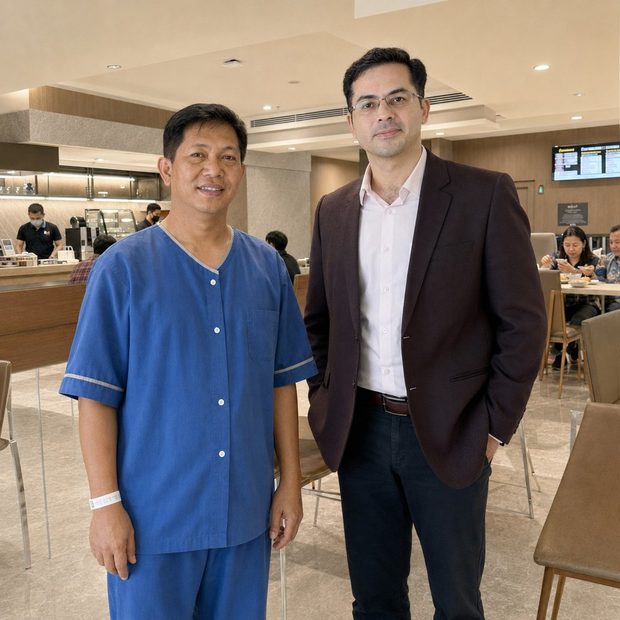
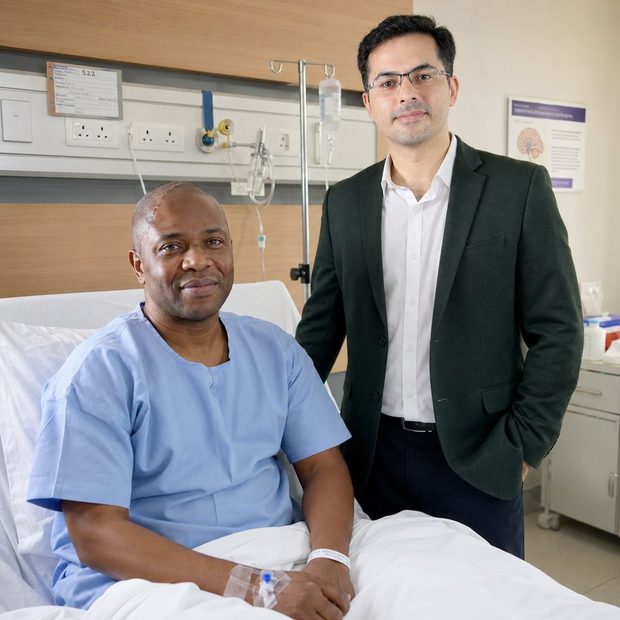
In 2006, nearly a half million patients will visit India for medical care. The lure of low-cost, high quality healthcare in Asia is estimated to be attracting more than 1.3 million tourists a year to India. Several hospitals in India have carved such outstanding reputations for themselves that medical tourism has become a major money-spinner.
In such countries, government agencies have been set up to help market their expertise globally. Special medical travel agencies have sprung up around the world, and top Asian hospitals routinely have special “international” desks and services to assist overseas patients with everything from doctors’ appointments to accommodation.
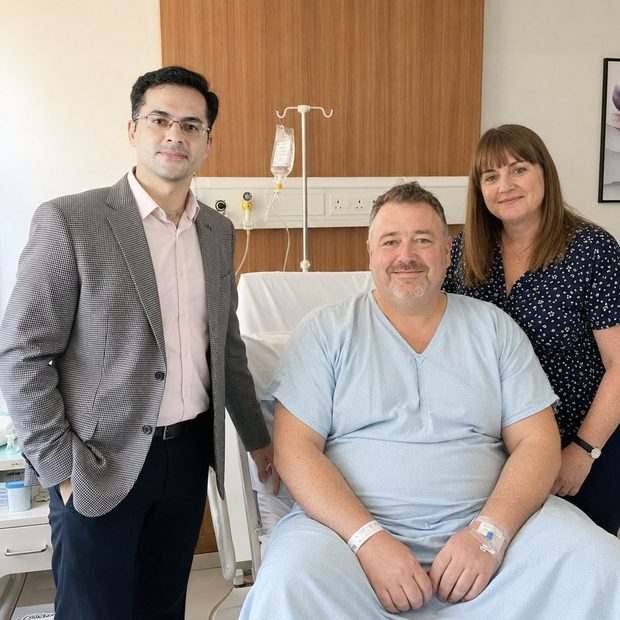
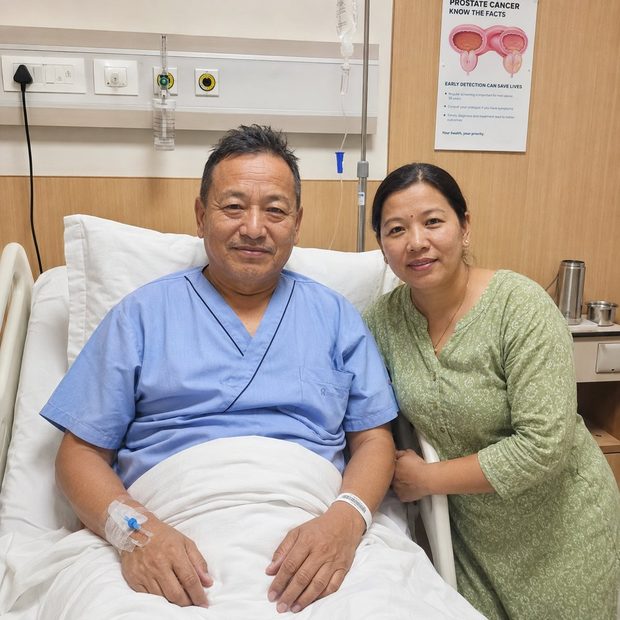
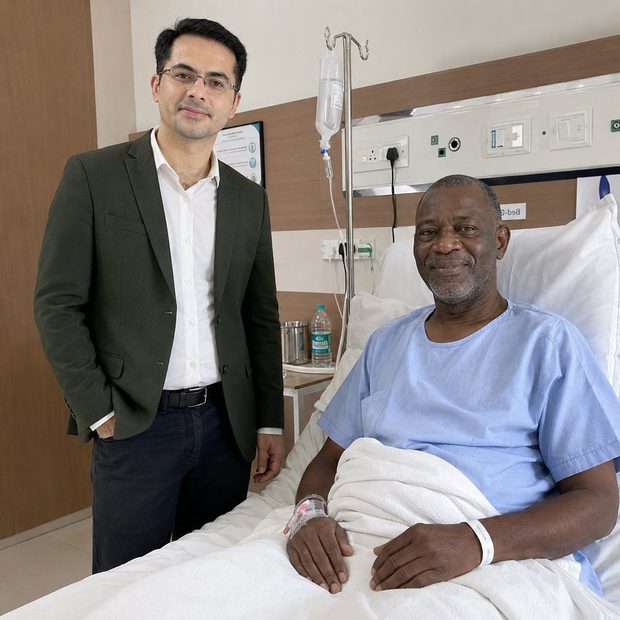
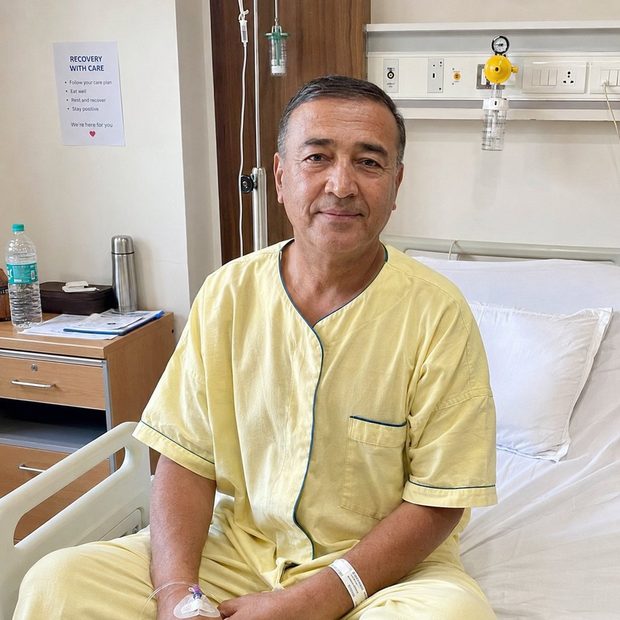
Think of India, and images of ancient temples, tigers, call centers and the IT boom might jump to mind. These days, health care is also on the list. India is an excellent provider of peripheral nerve biopsies surgery in India, and foreign patients are starting to cotton on.
What Patients Should Confirm
Patients should confirm MRI or CT findings, neurological symptoms, previous treatment, surgical risks, rehabilitation needs, and expected monitoring after discharge.
Before requesting a medical opinion, keep recent reports, imaging files, discharge summaries, prescriptions, and a short symptom timeline ready. This helps the specialist review the case without unnecessary back-and-forth.
Travel And Follow-Up Planning
International patients should ask about visa documents, attendant needs, estimated hospital stay, nearby accommodation, fitness-to-fly advice, and how follow-up will continue after returning home.
Forerunners Healthcare can coordinate hospital options, doctor review, appointment planning, travel support, and cost estimates while keeping the final medical decision with the treating specialist.
Care Planning Checklist
Before confirming treatment, patients should share recent reports, imaging, prescriptions, allergy details, previous discharge summaries, and a short timeline of symptoms or diagnosis. This helps the hospital team give a clearer medical opinion and a more realistic cost estimate.
Patients should also confirm the expected hospital stay, attendant needs, visa documents, airport transfers, accommodation near the hospital, payment inclusions, and what may change if extra tests or a longer stay are required.
Follow-up planning should be discussed before travel. Ask what warning signs need urgent attention, when flying is usually reviewed, how medicines or dressings will be managed, and how the treating team will coordinate after the patient returns home.