
Overview
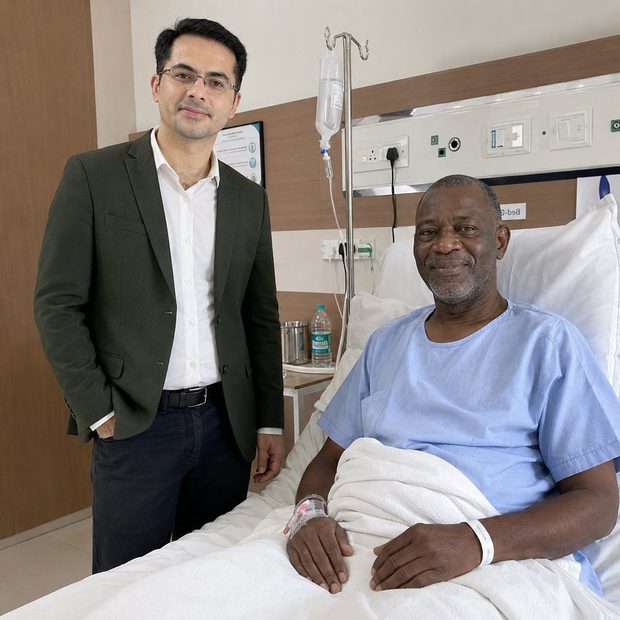
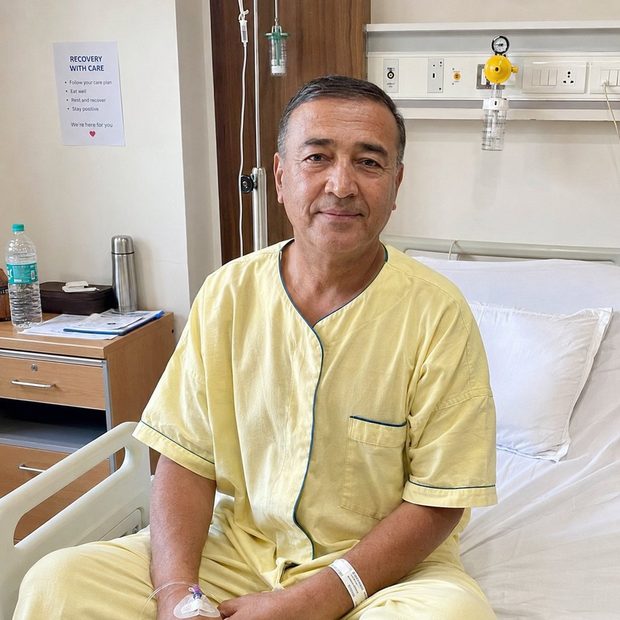
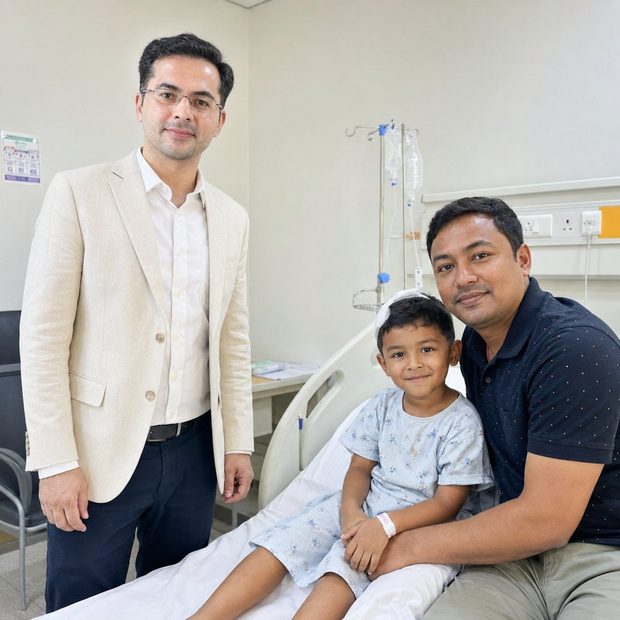
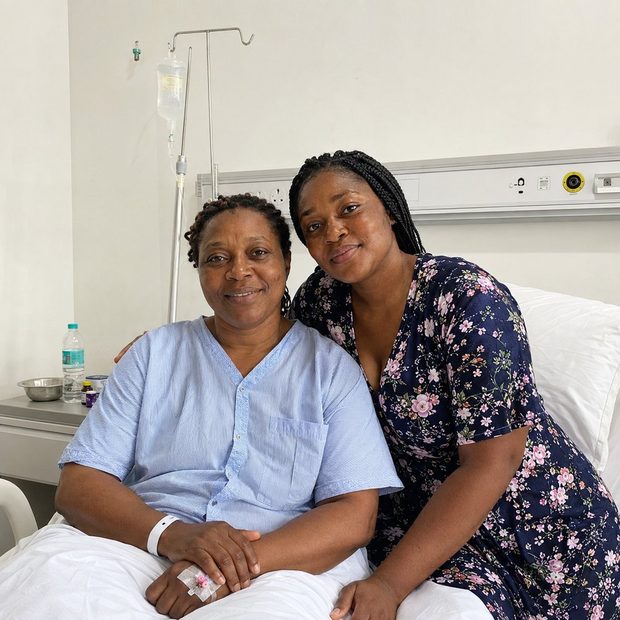
People from all over the world are visiting India for phacoemulsification surgery. Phacoemulsification surgery is a procedure in which an ultrasonic device is used to break up and then remove a cloudy lens, or cataract, from the eye to improve vision. The insertion of an intraocular lens (IOL) usually immediately follows phacoemulsification.
It is used to restore vision in patients whose vision has become cloudy from cataracts. India has some of the best hospitals and clinics in the world with the best medical facilities for this surgery. It has state-of-the-art hospitals and the best-qualified lasik surgeons.
With the best infrastructure, the best possible facilities, accompanied with the most competitive prices, a patient can get the phacoemulsification surgery done in India at the lowest charges at cities like Delhi, Chennai, Mumbai and Bangalore.
People might have cataracts for years before vision is impaired enough to warrant surgery. Eye doctors may first suggest eyeglasses to temporarily help improve vision. But as the lens grows cloudier, vision deteriorates.
As cataracts develop and worsen, patients may notice these common symptoms: gradual (and painless) onset of blurry vision, poor central vision, frequent changes in prescription for corrective lenses, increased glare from lights, near vision improvement to the point where reading glasses may no longer be needed, poor vision in sunlight.
Cataracts grow faster in younger people or diabetics, so doctors will recommend surgery more quickly in those cases. Surgery may also be recommended sooner if the patient suffers from other eye diseases such as agerelated macular degeneration and if the cataract interferes with complete eye examination.
When symptoms worsen to the point that everyday activities become problematic, surgery becomes necessary. A complete ocular exam will determine the severity of the cataract and what type of surgery the patient will receive. For some denser cataracts, the older method of extracapsular extraction is preferred.
The diagnostic exam should include measurement of visual acuity under both low and high illumination, microscopic examination of eye structures and pupil dilation, assessment of visual fields, and measurement of intraocular pressure (IOP). This surgery is done on an outpatient basis, so patients must arrange for someone to take them home after surgery.
On the day of the surgery, doctors will review the pre-surgical tests and insert dilating eye drops, antibiotic drops, and a corticosteriod or nonsteroidal anti-inflammatory drop. Anesthetic eye drops will be given in both eyes to keep both eyes comfortable during surgery. A local anesthetic will be administered. Patients are awake for the surgery, but are kept in a relaxed state.
When This Care Is Considered
Medical tourism is a developing concept whereby people from world over visit India for procedures like phacoemulsification surgery, their medical and relaxation needs. Most common treatments are heart surgery, knee transplant, cosmetic surgery, eye surgery and dental care.
The reason India is a favorable destination is because of it's infrastructure and technology in which is in par with developed countries. India has some of the best hospitals and treatment centers in the world with the best facilities.
Indian traditional treatments like Ayurvedic Therapies, Body Spa, and much more, practically covers every aspect of treatments with traditional experience.
What Patients Should Confirm
Patients should confirm the diagnosis, recent reports, current medicines, expected treatment pathway, hospital stay, recovery time, and follow-up plan before travel.
Before requesting a medical opinion, keep recent reports, imaging files, discharge summaries, prescriptions, and a short symptom timeline ready. This helps the specialist review the case without unnecessary back-and-forth.
Travel And Follow-Up Planning
International patients should ask about visa documents, attendant needs, estimated hospital stay, nearby accommodation, fitness-to-fly advice, and how follow-up will continue after returning home.
Forerunners Healthcare can coordinate hospital options, doctor review, appointment planning, travel support, and cost estimates while keeping the final medical decision with the treating specialist.
Care Planning Checklist
Before confirming treatment, patients should share recent reports, imaging, prescriptions, allergy details, previous discharge summaries, and a short timeline of symptoms or diagnosis. This helps the hospital team give a clearer medical opinion and a more realistic cost estimate.
Patients should also confirm the expected hospital stay, attendant needs, visa documents, airport transfers, accommodation near the hospital, payment inclusions, and what may change if extra tests or a longer stay are required.
Follow-up planning should be discussed before travel. Ask what warning signs need urgent attention, when flying is usually reviewed, how medicines or dressings will be managed, and how the treating team will coordinate after the patient returns home.