Overview
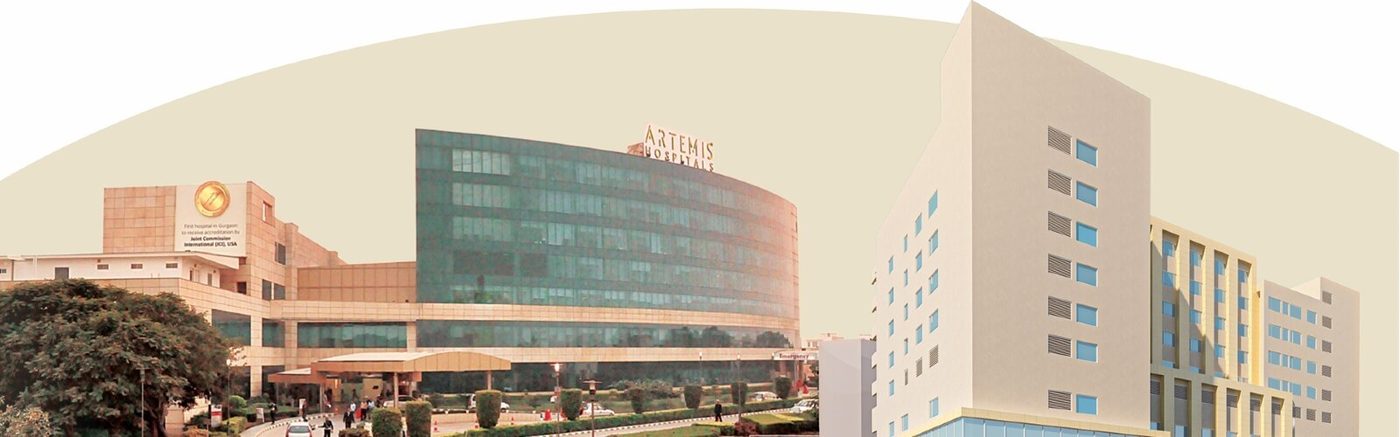
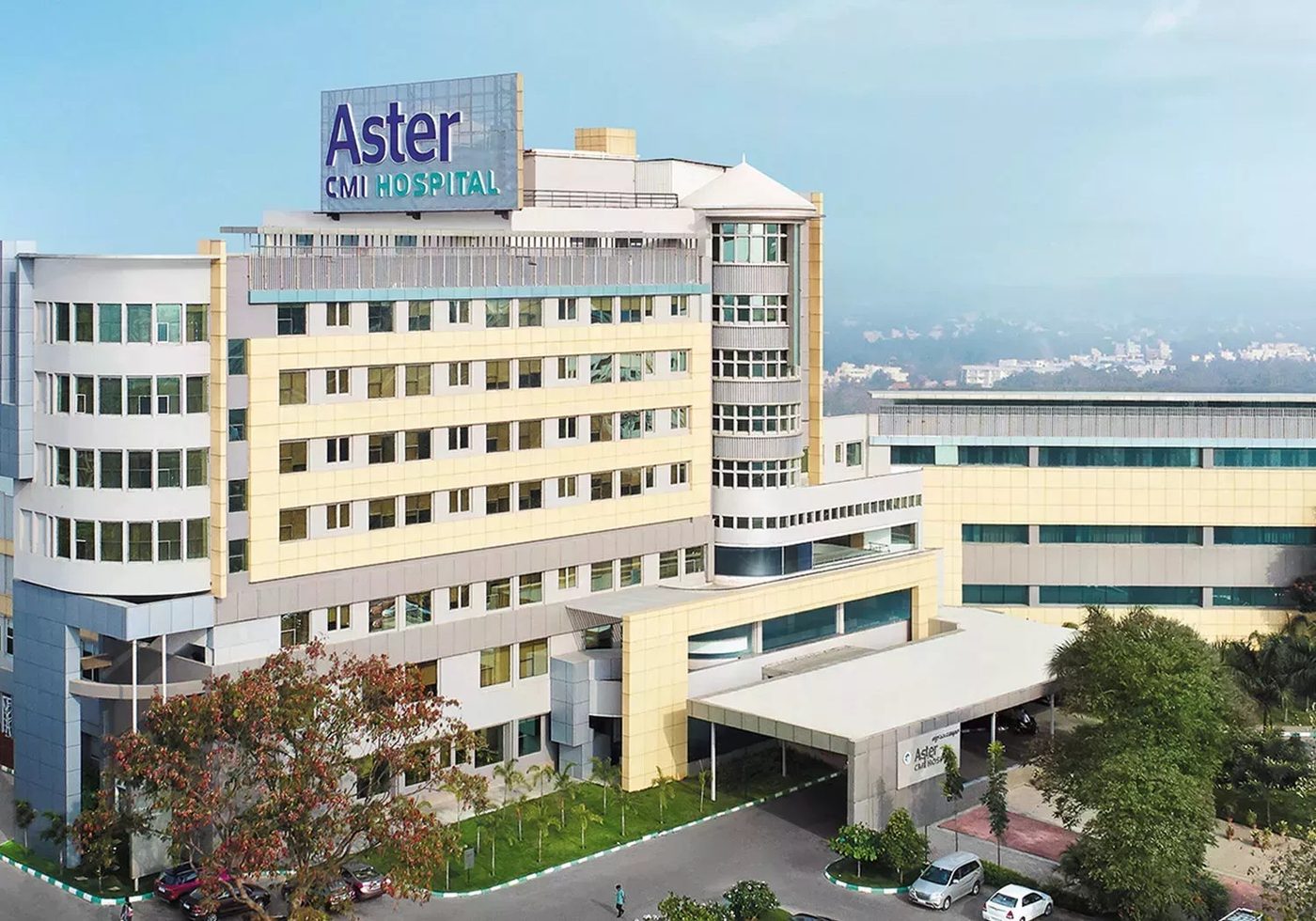
The medical tourism industry is growing rapidly and as such more people are traveling to for procedures like radical nephrectomy surgery at hospitals of India as an alternative done in their home countries. Indian hospitals in general are among the best hospitals in the world with advanced hospital facilities and highly credentialed experienced surgeons for radical nephrectomy surgery.
It is a surgical procedure in which the entire kidney with it's collecting system is removed along with the adrenal gland and lymph glands of the same side.
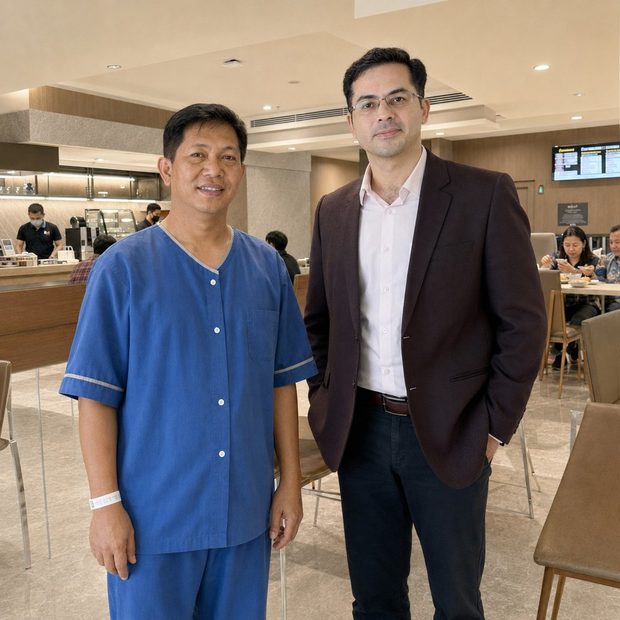
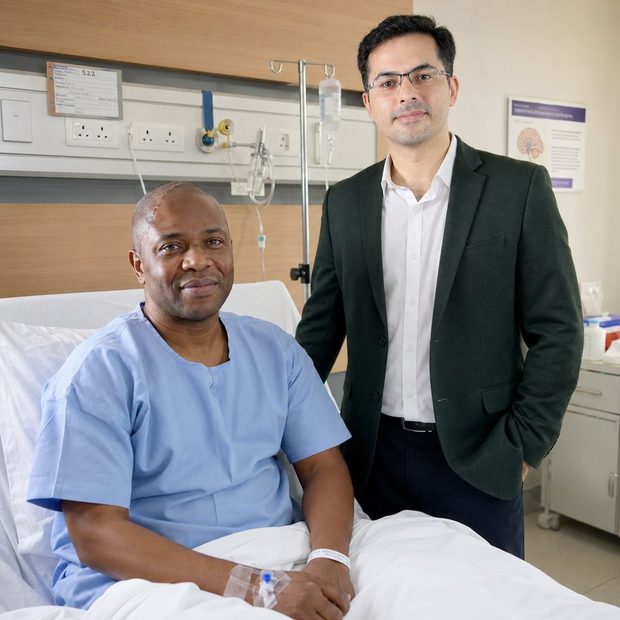
The advantages of medical treatments like radical nephrectomy surgery at hospitals of India are professionalism and experience of specialists, state-of-the-art medical facilities, quality of pre and postoperative care, prompt access to treatment, lower priced procedures, lower labor costs, no tax on procedures or hospitals, quality of overall experience for different procedures that you can see in patient’s experience section.
Radical nephrectomy is a surgical procedure in which the entire kidney with it's collecting system is removed along with the adrenal gland and lymph glands of the same side. It is extremely crucial for your surgeon to assess your kidney function before Radical Nephrectomy.
A thorough physical examination, ECG, chest x-ray, complete blood profile, complete kidney profile, pulmonary function tests, blood gas analysis, blood typing and cross matching is done in case transfusion is required during radical nephrectomy surgery.
Specialized tests like intravenous pyelography, cystoscopy / ureteroscopy, retrograde pyelography, cystourethrography, CT scan, ultrasonography, MRI, renal angiography and renal venography will be performed for complete anatomic assessment. You will be hospitalized at least one day before the surgery. Inform your surgeon about your other health conditions and medications.
Refrain from taking aspirin or Ibuprofen at least 2 weeks before radical nephrectomy. Stop smoking a few weeks before radical nephrectomy to prevent healing problems during recovery period. Do not eat or drink any thing for at least 10 - 12 hours before the radical nephrectomy surgery.
When This Care Is Considered
India can provide some of the best healthcare available anywhere in the world at a price that will pleasantly surprise you. And the expertise, friendliness and caring support provided by the doctors and nurses are world-renowned.
However, just as in your home Country, you must do the research to make sure you select the best doctor’s and hospitals for radical nephrectomy surgery in India at the best price. Medical tourism is now a major world business, with millions of people traveling away to avail of better facilities, better price and better waiting times.
Many countries, style themselves as “Medical Tourist Centers” but India has been a center for far longer than most. From humble beginnings of tourists visiting the local private hospital for a medical check-up, India has grown a huge infrastructure of medical facilities, cutting edge technology and advanced expertise in the field of medical services to foreigners.
What Patients Should Confirm
Patients should confirm the diagnosis, recent reports, current medicines, expected treatment pathway, hospital stay, recovery time, and follow-up plan before travel.
Before requesting a medical opinion, keep recent reports, imaging files, discharge summaries, prescriptions, and a short symptom timeline ready. This helps the specialist review the case without unnecessary back-and-forth.
Travel And Follow-Up Planning
International patients should ask about visa documents, attendant needs, estimated hospital stay, nearby accommodation, fitness-to-fly advice, and how follow-up will continue after returning home.
Forerunners Healthcare can coordinate hospital options, doctor review, appointment planning, travel support, and cost estimates while keeping the final medical decision with the treating specialist.
Care Planning Checklist
Before confirming treatment, patients should share recent reports, imaging, prescriptions, allergy details, previous discharge summaries, and a short timeline of symptoms or diagnosis. This helps the hospital team give a clearer medical opinion and a more realistic cost estimate.
Patients should also confirm the expected hospital stay, attendant needs, visa documents, airport transfers, accommodation near the hospital, payment inclusions, and what may change if extra tests or a longer stay are required.
Follow-up planning should be discussed before travel. Ask what warning signs need urgent attention, when flying is usually reviewed, how medicines or dressings will be managed, and how the treating team will coordinate after the patient returns home.