
Overview
The advanced medical treatments available in India like tumor resection surgery have made it a popular destination for medical tours. People, who cannot afford the cost of tumor resection surgery in the West, head for the super specialty hospitals in India to avail the cost effective and quality treatments offered.
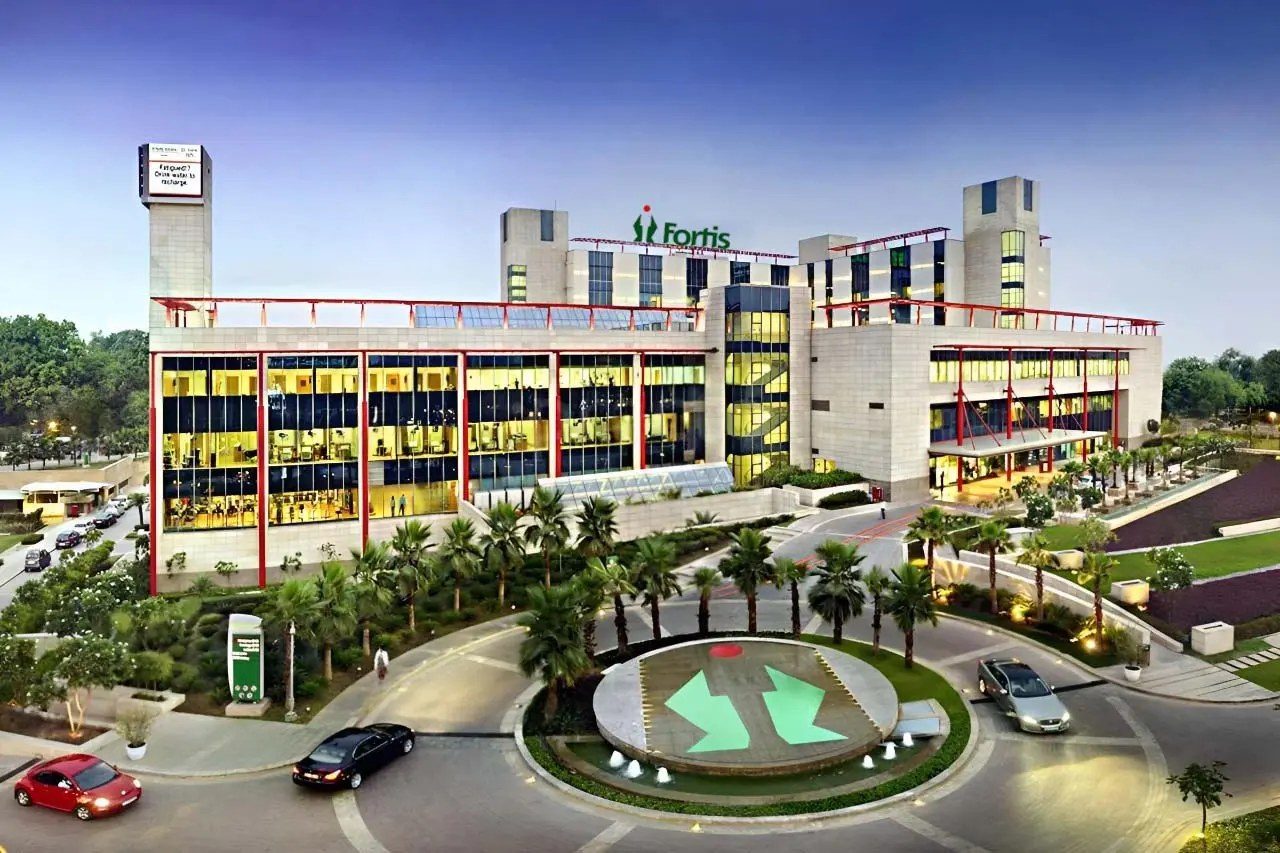
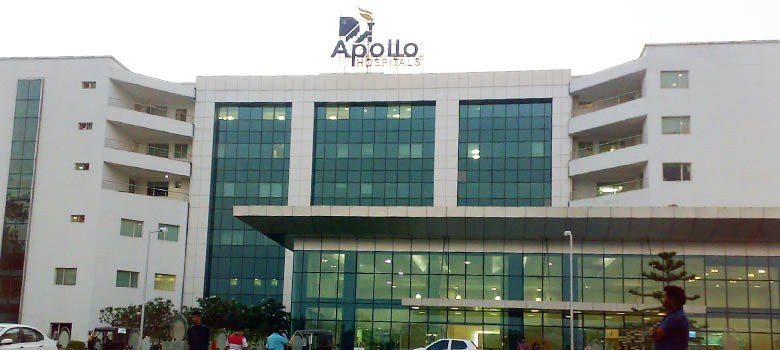
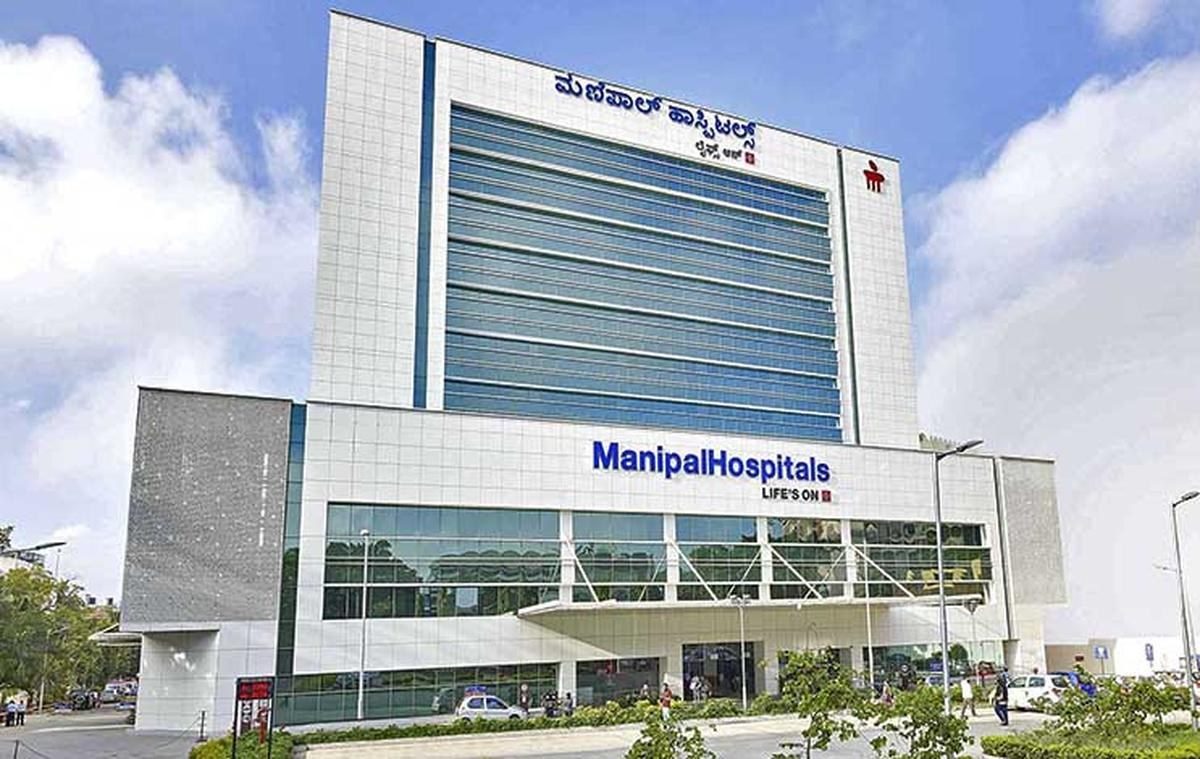
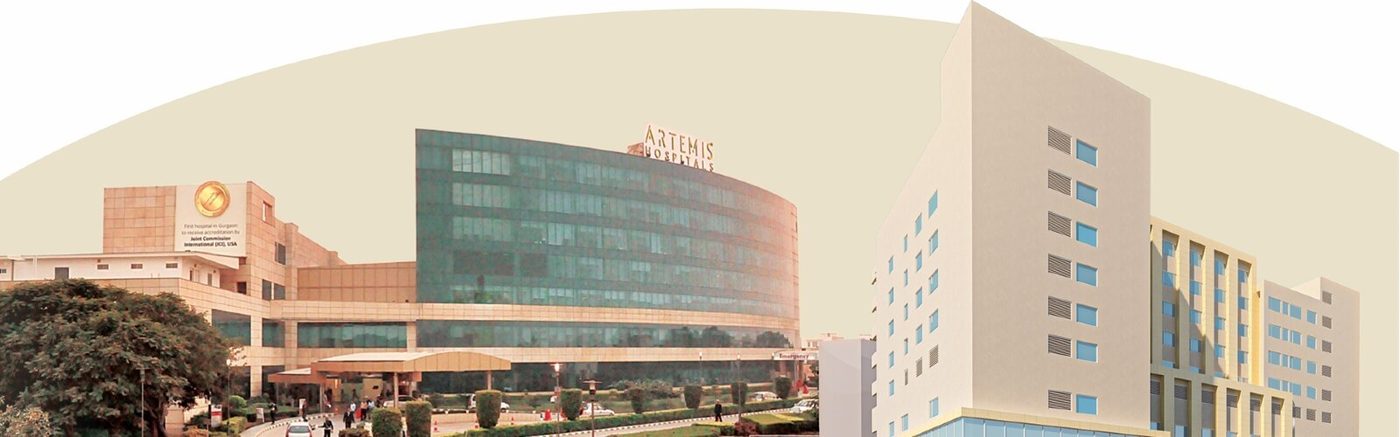
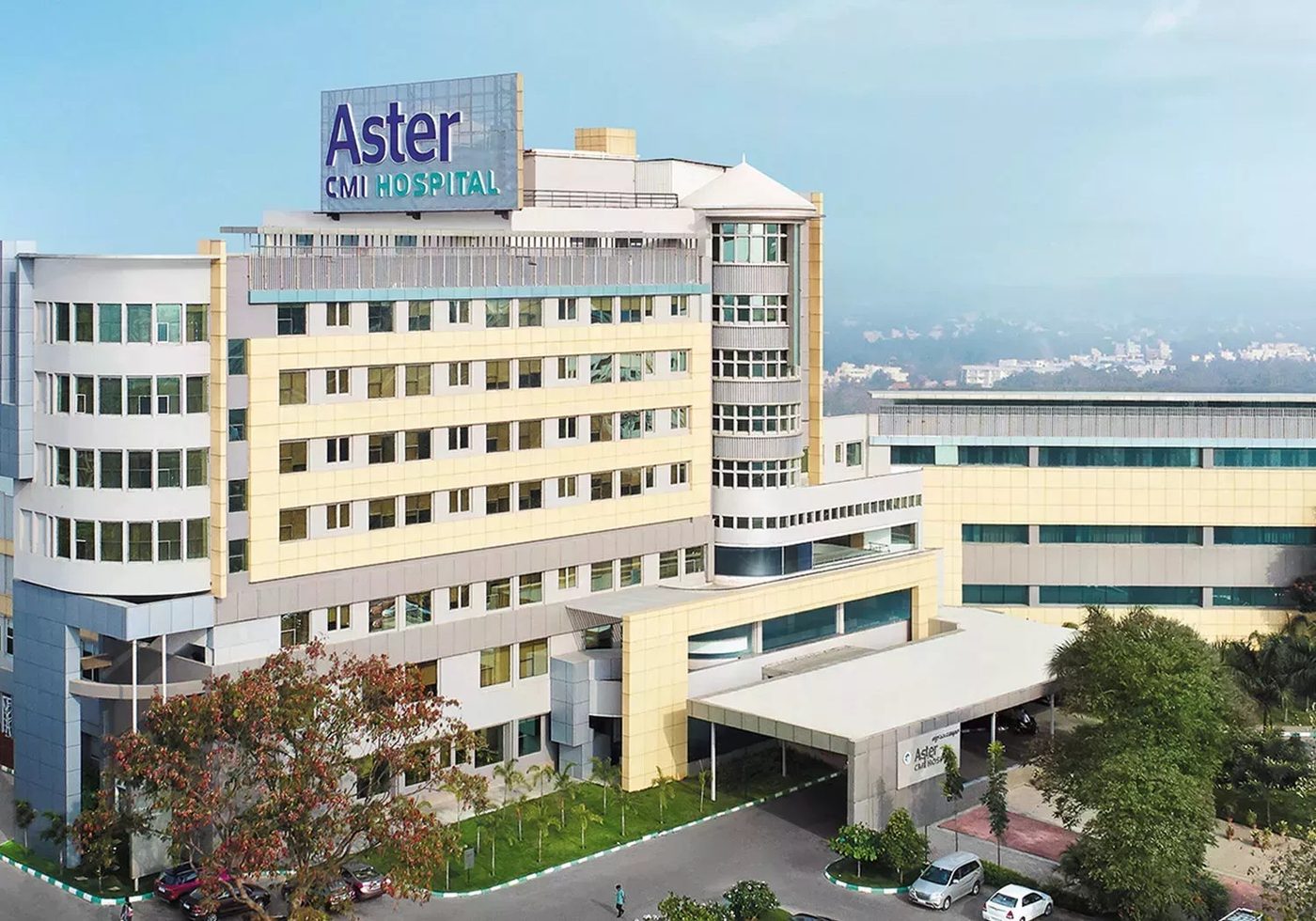
At the Joint Commission International accredited Hospitals in India, the department of neuro and urosurgery offers the latest in tumor resection surgery, Tran’s sphenoid operations, treatments for brain and neck tumors and lesions, and more.
Indian hospitals provide comprehensive medical and surgical care for patients with disorders of the brain, spinal cord and peripheral nervous system both invasive and non-invasive procedures for treating tumors.
Indian expert urologists and neurologists are supported by the most extensive neuro-diagnostic and imaging facilities including Asia's most advanced MRI and CT technology along with providing general diagnostic X-ray imaging.
Mediastinal tumor resection is the name for the procedure that involves the removal of tumors in the area of the chest cavity that separates the lungs. Malignant tumors must be removed to prevent the spread of the cancer. Without removal or treatment, the cancer could spread to the heart or begin to compress the spinal cord.
Once the patient is anesthetized, mediastinal tumor resection can be performed through either one large or several small incisions.
Traditional tumor resection utilizes a large, central incision in the chest, while video-assisted mediastinal tumor resection utilizes several small incisions, a video camera inserted into one incision, and miniature surgical instruments inserted through the other incisions. Chest tubes may be inserted to help facilitate drainage of fluid and air from the chest cavity.
Once released from the hospital, you should avoid lifting any objects heavier than five pounds. You are also asked not to drive for four to six weeks, but walking at least twice a day is encouraged. Fatigue typically lasts no longer than three to four weeks. No rehabilitation therapy is required following this surgery.
Diagnosis And Staging
India is rapidly emerging for tumor resection surgery, and also with a center for health and wellness. The services of medical tourism are relatively high, and often available at far lower prices than service of equal standards in other countries.
If anyone develop a health problem, or is seeking a specialized treatment, you'll find that the India's health facilities are well equipped to handle most of your needs.
If anyone comes for a medical procedure, he/she will also have a wide range of luxury hotels, spectacular beaches, great restaurants and a host of leisure activities to choose from during the stay for tumor resection surgery in India. With its long list of attractions, plus first-class medical facilities, spas and holistic services, India is unquestionably a healthy holiday destination.
What Patients Should Confirm
Patients should confirm the diagnosis, stage, biopsy summary, imaging reports, and whether the plan includes surgery, chemotherapy, radiation, targeted therapy, or a combination.
Before requesting a medical opinion, keep recent reports, imaging files, discharge summaries, prescriptions, and a short symptom timeline ready. This helps the specialist review the case without unnecessary back-and-forth.
Travel And Follow-Up Planning
International patients should ask about visa documents, attendant needs, estimated hospital stay, nearby accommodation, fitness-to-fly advice, and how follow-up will continue after returning home.
Forerunners Healthcare can coordinate hospital options, doctor review, appointment planning, travel support, and cost estimates while keeping the final medical decision with the treating specialist.
Care Planning Checklist
Before confirming treatment, patients should share recent reports, imaging, prescriptions, allergy details, previous discharge summaries, and a short timeline of symptoms or diagnosis. This helps the hospital team give a clearer medical opinion and a more realistic cost estimate.
Patients should also confirm the expected hospital stay, attendant needs, visa documents, airport transfers, accommodation near the hospital, payment inclusions, and what may change if extra tests or a longer stay are required.
Follow-up planning should be discussed before travel. Ask what warning signs need urgent attention, when flying is usually reviewed, how medicines or dressings will be managed, and how the treating team will coordinate after the patient returns home.