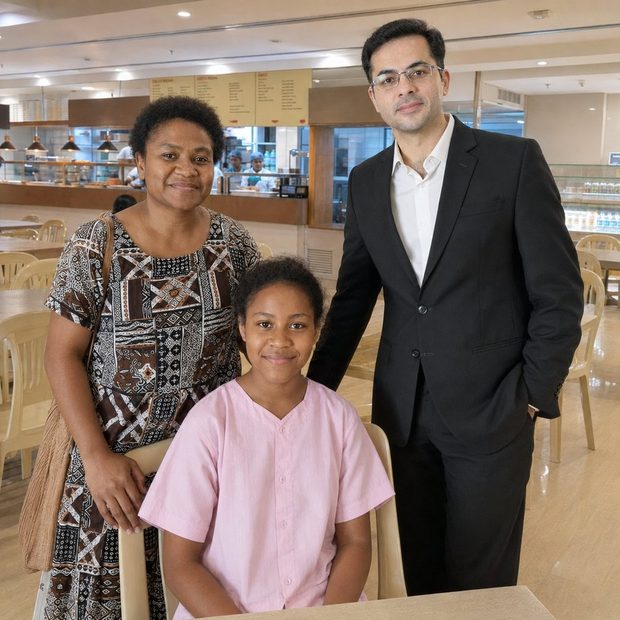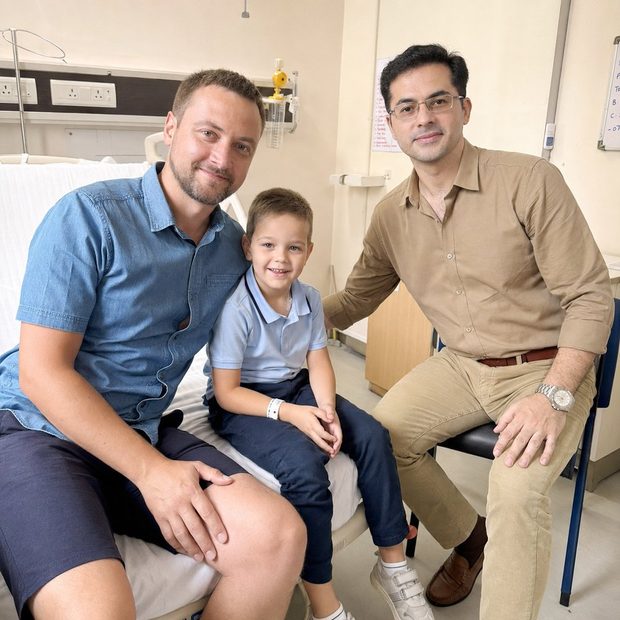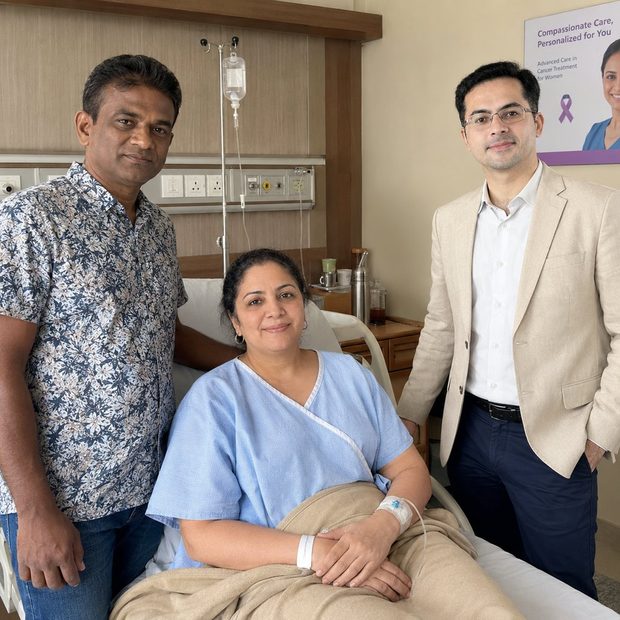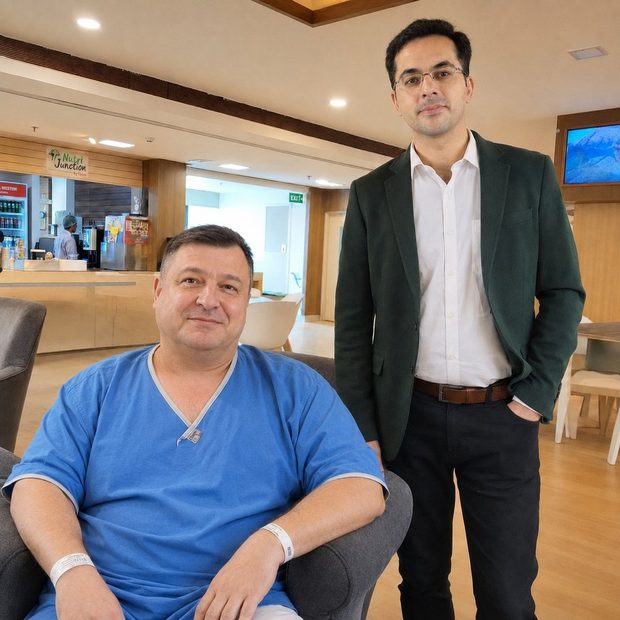
Plan Your Cancer Surgery In India With Forerunners Healthcare Consultants
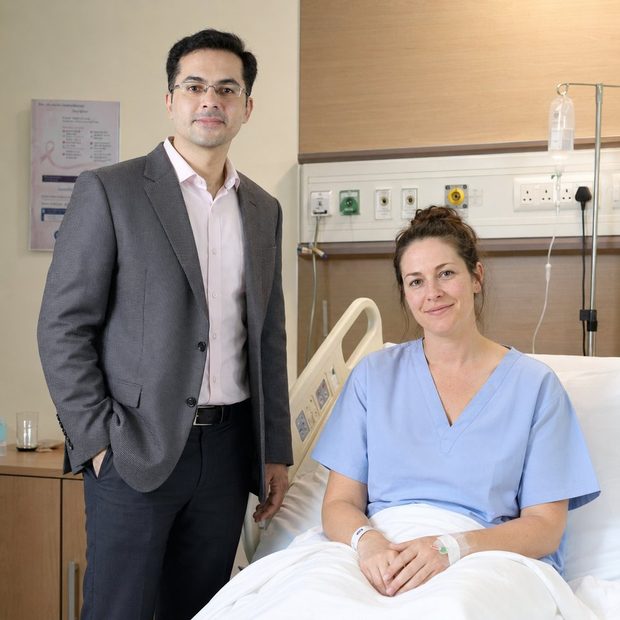
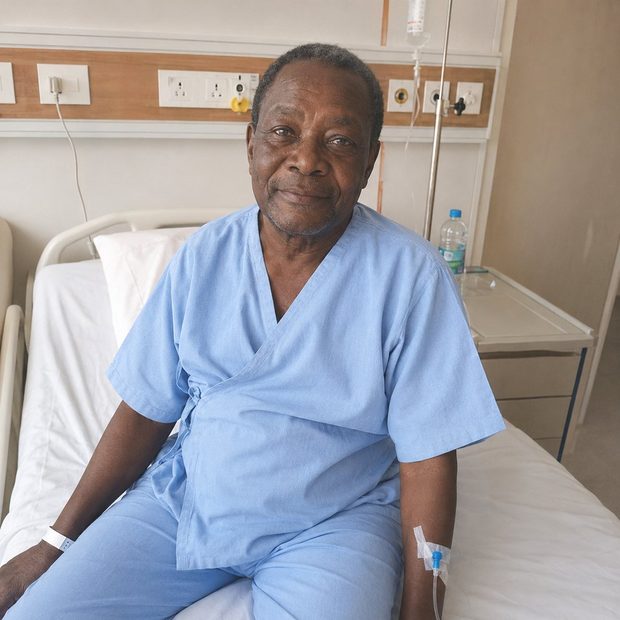
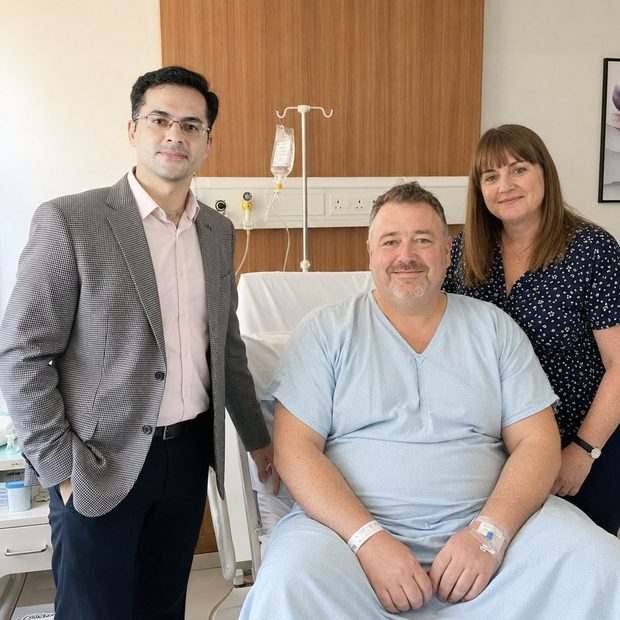
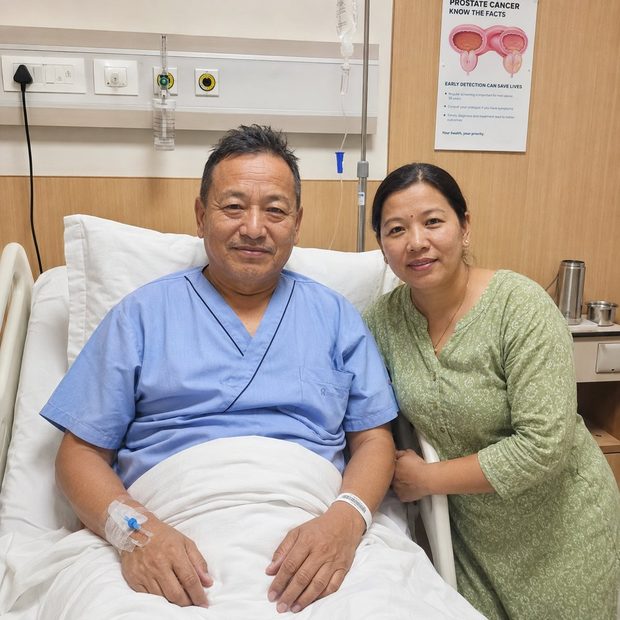
Cancer is a dreaded disease that takes up a person’s entire attention leaving not much for him to do. Undergoing a Cancer treatment can be extremely painful and mentally draining. You cannot compromise with the treatment and keeping this in mind, Forerunners Healthcare Consultants brings you in contact with best Hospitals and Surgeons in India . All you have to do is send us your queries and we will take care of the rest.
Overview
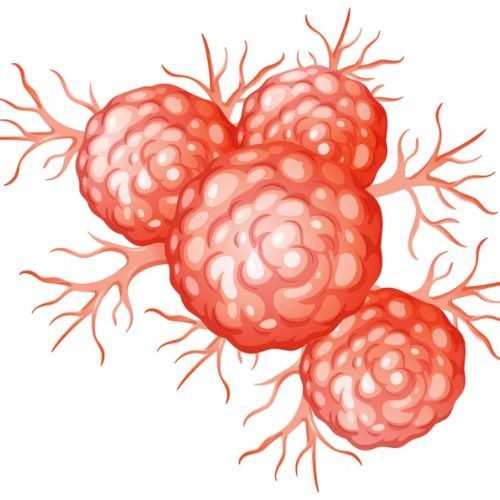
Cancer is a class of diseases in which a cell, or a group of cells display uncontrolled growth through division beyond the normal limits, invasion that intrudes upon and destroys adjacent tissues, and sometimes metastasis, which spreads the cells to other locations in the body via lymph or blood. These three malignant properties of cancers differentiate them from benign tumors, which are self-limited, and do not invade or metastasize. Most cancers form a tumor but some, like leukemia, do not. The branch of medicine concerned with the study, diagnosis, treatment, and prevention of cancer is Oncology.
What Is Cancer Surgery?
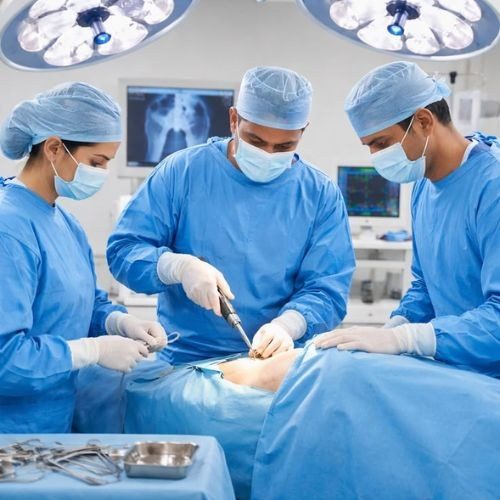
Cancer surgery — an operation to repair or remove part of your body to diagnose or treat cancer — remains the foundation of cancer treatment . Your doctor may use cancer surgery to achieve any number of goals, from diagnosing your cancer to treating it to relieving the symptoms it causes. Cancer surgery may be your only treatment, or it may be supplemented with other treatments, such as radiation, chemotherapy, hormone therapy and biological therapy.
What Is The Purpose Of Cancer Surgery?
Cancer surgery may be used to achieve one or more goals. The basic reason is to remove cancer present in certain tissues or organs, Sometimes surgery is used to improve your quality of life rather than to treat the cancer itself. Surgery is often combined with other cancer treatments, such as chemotherapy and radiation. Whether you opt to undergo additional cancer treatment depends on your type of cancer and its stage.
What Are Various Medical Conditions Of Cancer?
Best Cancer Hospitals In India
The best cancer hospitals in India have the best cancer doctors and specialists performing all types of cancer surgeries as per the international standards. The network hospitals are located across Delhi, Gurgaon, Noida, Chennai, Mumbai, Nagpur, Ahmedabad, Bangalore, Hyderabad and Kerala.
 Manipal Hospital (Old Airport Road), Bangalore
 Global Hospital, Mumbai
 Fortis Memorial Research Institute (FMRI), Gurgaon
 Medanta - The Medicity, Gurugram
 Max Super Speciality Hospital, Delhi
 Kokilaben Dhirubhai Ambani Hospital, Mumbai
 Indraprastha Apollo Hospital, Delhi
 Fortis Hospital (Bannerghatta Road), Bangalore
 Artemis Hospital, Gurugram
 Saifee Hospital, Mumbai
 Jaslok Hospital, Mumbai
 Lilavati Hospital & Research Centre, Mumbai
What Preparations To Be Done For The Surgery?
Before undergoing a surgery, find out all you can about the benefits, risks, and side effects of the operation. You may want to ask your doctor the following questions. The answers may help you feel more comfortable with your decision.
- AWhy am I having this operation? What are the chances of its success?
- BIs there any other way to treat this cancer?
- COther than my cancer, am I healthy enough to go through the stress of the surgery and the drugs used to do it (anesthesia)?
- DAre you certified by the American Board of Surgery and/or Specialty Surgery Board?
- EHow many operations like this have you done? What is your success rate? Are you experienced in operating on my kind of cancer?
- FExactly what will you are doing in this operation? What will you are taking out? Why?
- GHow long will the surgery take?
- HWill I need blood transfusions?
- IWhat can I expect after the operation? Will I be in a lot of pain? Will I have drains or catheters? How long will I be in the hospital after the surgery?
- JHow will my body be affected by the surgery? Will it work or look different? Will any of the effects be permanent?
- KHow long will it take for me to recover enough to go back to my usual activities?
- LWhat are the possible risks and side effects of this operation? What is the risk of death or disability from this surgery?
- MWhat will happen if I choose not to have the operation?
- NWhat are the chances that the surgery will cure my cancer?
- ODo I have time to think about my options or get a second opinion?
What Are Various Types Of Cancer Surgery?
The types of cancer surgeries are listed here:
- APreventive (prophylactic) Surgery: is done to remove body tissue that is likely to become cancer (malignant), even though there are no signs of cancer at the time of the surgery. For example, pre-cancerous polyps may be removed from the colon. Sometimes it is used to remove an entire organ when a patient has an inherited condition that puts them at a much higher risk of suffering from cancer someday. For example, some women with a strong family history of breast cancer are found to have a change (mutation) in the DNA of a breast cancer gene (BRCA1 or BRCA2). Because their risk of getting breast cancer is high, these women may want to consider prophylactic mastectomy. This means the breasts are removed before cancer is found.
- BDiagnostic Surgery: This type of surgery is used to sample tissues to find out if cancer is present or what type of cancer it is. The diagnosis of cancer is made by looking at the cells under a microscope. There are many ways to get a sample of cells from an area that looks like it may be cancer. These are described in the section, "Surgery to diagnose and stage cancer."
- CStaging Surgery: is done to find out the amount of cancer cells and how far it has spread. The physical exam and the results of lab and imaging tests are used to figure out the clinical stage of the cancer . But the surgical stage (also called the pathologic stage) is usually an accurate measure of how far the cancer has spread. Examples of surgical procedures commonly used to stage cancers, like laparotomy and laparoscopy, are described in the section, "Surgery to diagnose and stage cancer."
- DCurative Surgery: is done when a tumor is found in only one area, and it is likely that all of the tumor can be removed. Curative surgery can be the main treatment for the cancer. It may be used alone or along with chemotherapy or radiation therapy, which can be given before or after the operation. Sometimes radiation therapy is actually used during an operation. (This is called intraoperative radiation therapy.)
- EDebulking (cytoreductive) Surgery: is done to remove some, but not all, of the tumor. It is done when removing the entire tumor which would cause too much damage to an organ or nearby tissues. In these cases, the doctor may take out as much of the tumor as possible and then try to treat what's left with radiation or chemotherapy. Debulking surgery is commonly used for advanced cancer of the ovary and some lymphomas.
- FPalliative Surgery: This type of surgery is used to treat problems caused by advanced cancer. It is not done to cure the cancer. It can also be used to correct a problem that is causing discomfort or disability. For example, some cancers in the belly (abdomen) may grow large enough to block off (obstruct) the intestine. If this happens, surgery can be used to remove the blockage. Palliative surgery may also be used to treat pain when the pain is hard to minimize by other means.
- GSupportive Surgery: This is done to help with other types of treatment. For example, a vascular access device such as a Port-A-Cath or Infusaport, that can be surgically placed into a large vein. The port can then be used to give treatments or draw blood, instead of putting needles in the arms.
- HRestorative (reconstructive) Surgery: This type of surgery is used to improve the way a patient looks after major cancer surgery, or to restore the function of an organ or body part after surgery. Examples include breast reconstruction after mastectomy or the use of tissue flaps, bone grafts, or prosthetic (metal or plastic) materials after surgery for head and neck cancers. For more information on these types of reconstructive surgeries, you can read Breast Reconstruction after Mastectomy and Oral Cavity and Oropharyngeal Cancer. They can be read online or you can get a copy by calling on our toll-free number.
What Are Popular Cancer Surgery Procedures?
- ACryosurgery: Unlike certain cancer treatments which rely on heat to destroy tumours, cryosurgery uses extremely cold temperatures to destroy cancer cells. It can be used both inside and outside the body and is particularly effective in the treatment of certain types of skin cancers. It relies upon the process of producing extremely cold temperatures using liquid nitrogen or argon gas in order to destroy diseased or abnormal tissue. The freezing temperature results in the formation of ice crystals in the diseased tissue which causes abnormal cells to tear apart. It works by circulating argon gas or liquid nitrogen which results in a ball of ice crystals forming around the probe which then freezes the affected cells. After cryosurgery has been completed, then eventually the frozen tissue thaws and it is then absorbed by the body naturally. One of the key benefits of cryosurgery is that it is far less invasive than other forms of treatment as well as producing far fewer side effects. It’s also a far less expensive treatment to administer.
- BBone Marrow Transplant: is often used to cure several different types of diseases including certain cancers. It can be particularly effective in cancer treatment for leukemia, lymphoma, severe aplastic anemia, and multiple myeloma and certain solid tumour cancers such as ovarian or breast cancer. However, it is not always the best treatment for everyone who may suffer from any of these diseases. The marrow transplant is transferred into the bloodstream using a central venous catheter and is a similar type of procedure to that of a blood transfusion. During this process, the stem cells start to make their way into the patient’s own bone marrow and begin reproducing to establish healthy, new blood cells. It may be necessary to undergo blood transfusions and, in some cases, it might be imperative to be confined in a sterile environment for a time. Vomiting, nausea, diarrhoea and feelings of extreme weakness are also some of the possible side effects although they are not all experienced by every patient.
- CLumpectomy: is the surgical removal of the breast tumor (the "lump") and some of the normal tissue that surrounds it. Lumpectomy is a form of “breast-conserving” or "breast preservation" surgery. There are several names used for breast-conserving surgery: biopsy, lumpectomy, partial mastectomy, re-excision, Quadrantectomy, or wedge resection. Technically, a lumpectomy is a partial mastectomy, because a part of the breast tissue is removed. But the amount of tissue removed can vary greatly. Quadrantectomy, for example, means that roughly a quarter of your breast will be removed. Make sure you have a clear understanding from your surgeon about how much of your breast may be gone after surgery and what kind of scar you will have. The advantages of lumpectomy from the emotional and personal point of view are obvious – there is no loss of the breast, and the tissue expands after the lumpectomy so that the appearance of the breast is similar. There is no need for breast reconstruction and the operation is much less rigorous, so recovery times are shorter.
- DMicroscopically Controlled Surgery: It is predominantly used in the treatment of skin cancer in a number of situations. These can include where a tumour occurs in a particular area of the body where it is not able to be cured effectively using other treatment methods or where cancer cells have been previously treated but the cancer has returned. It is often the preferred method for treatment on areas such as the eyelid, nose or ear where a surgeon only wishes to remove the diseased tissue yet leave as much of the skin surrounding it untouched, yet it can also be used on the hand, scalp and genitalia. Perhaps even more importantly, this surgery does not rely on visual inspection to judge the extent of the problem which means that you’ll never be left with a situation where insufficient tissue is taken which leaves part of the tumour behind nor does it allow for overcompensation where too much tissue is taken. The procedure is carried out in stages whereby a little tissue from an initial layer will be surgically removed with a scalpel then more may be removed if necessary.
- ESurgery for Gall Bladder Cancer: If you have gall bladder cancer, you have a tumour in the gall bladder, a small gland just behind the liver that usually produces bile. This fluid is released into the intestine to help digest fats in the food that you eat. Gall bladder cancer overall is quite rare but it is difficult to diagnose at a very early stage, so it tends to be discovered later, when treatments are not so effective. The operation involved in removing the gall bladder is a fairly major procedure that always needs a general anaesthetic and a stay in hospital. One of the main treatments for gall bladder cancer is surgery to try to remove all of the cancerous tissues. If the cancer is at a relatively early stage, the tumour is only present in the gall bladder itself and removing this completely can remove virtually all of the cancer. The operation to take out the gall bladder is called a cholecystectomy and this can either be done by open abdomen surgery or using a keyhole technique that involves laparoscopy. The aim is to remove the gall bladder, the bile duct and all the nearby lymph nodes to try to remove the tumour and a good margin of healthy tissue all around it.
- FSurgery for Prostate Cancer: is a very common cancer in men over 65 but is not often a cause of early death. Many men live with prostate cancer for years, and may die of an unrelated cause. It tends to be a slow growing cancer, although some forms can be more aggressive. The treatments available depend on the stage of the cancer and how aggressive it is. In the early stages, when the cancer is confined within the prostate gland and does not seem to be a threat, it is sensible not to rush into treatments straight away. Your doctor will possibly recommend watching and waiting, while your condition is carefully monitored over a period of months. If it is right in your case, your medical team may advise that your prostate gland is removed completely to prevent the cancer from spreading elsewhere in the body. This type of operation is called a radical prostatectomy and it can be carried out using open abdominal surgery, or a keyhole technique. Surgery for prostate cancer can be followed up by radiotherapy, either by external beam, or from tiny radioactive ‘seeds’ that are implanted in your body near to where the prostate gland has been removed.
What Post-care To Be Taken After Surgery?
After surgery care can involve many different factors, depending on the type of surgery, the patient, and the amount of rehabilitation needed. Nearly every type of surgery requires some sort of after surgery care. If an individual has surgery on an extremity, they will need assistance prior to and upon their return home. If a patient has had surgery which requires further bed rest, it is critical that there is someone available around the clock, to aid the patient convalescing. Your health care team will give you specific directions for your recovery, such as how to care for any wounds, what foods or activities to avoid and what medications to take.
What Are The Advance Cancer Surgery Procedures?
Electrosurgery: is a procedure which involves applying a high frequency electrical current to destroy cancerous cells. It is most commonly used to treat skin cancer but can also be used in the treatment of certain oral cancers. There are a number of different electrosurgical devices which can be used for tissue cauterization. However, Electrosurgery, itself, uses an alternating current to directly apply heat to the tissue whilst the tip of the probe remains relatively cool. On the other hand, other electrocautery devices work by using heat conduction via applying a direct current from a hot probe. Electrosurgery is the most commonly used to treat cancers on the skin’s surface at its outermost layer and also to treat new skin cancers. They are also used to treat both basal and squamous cell carcinoma.
How Is Cancer Surgery In India?
- AIndia is recognized as one of the most important destinations for cancer surgery . Many patients from their advanced countries come to India for a nice blend of top-class medical expertise at attractive prices, , which is helping more and more Indian corporate hospitals to bring more and more foreign patients, including from the developed nations for high end surgeries pertaining to various disease including the cancer.
- BThe Indian oncology hospitals provide quality treatment to patient all across the globe. In order to help you and your dear ones on the fast track to recovery and revival, company provides unique medical tourism packages for your convenient travel to India for medical treatment. The Indian Oncologists are excelled in dealing various cancer surgeries, and most of them have to their credit International fellowships and International Board Certification. Personalized care and attention is provided with value added services besides results of world class standard at a very low cost affordable to all sections of society. The various cancer surgeries in India are available at various hospitals in the following cities with latest amenities and state-of-art-facilities.
| Mumbai | Hyderabad | Kerala |
|---|---|---|
| Delhi | Pune | Goa |
| Bangalore | Nagpur | Jaipur |
| Chennai | Gurgaon | Chandigarh |
- CThe compassion shown by our Doctors – along with evidence based and innovative cancer treatments, comprehensive education and research-based prevention of common cancers – have earned Indian hospitals the gratitude of cancer patients and their families. Undoubtedly they have emerged as new leaders in the field of medical services and strive to maintain that position.
 United States
 United Kingdom
 Canada
 Australia
 New Zealand
 Nigeria
 Kenya
Kenya Ethiopia
 Uganda
 Tanzania
 Zambia
 Congo
Congo Sri Lanka
 Bangladesh
 France
 Afghanistan
 Nepal
Nepal Uzbekistan