Plan Your Ovarian Cancer Treatment And Surgery In India With Forerunners Healthcare Consultants
Ovarian Cancer is the cancer of ovaries, a reproductive organ in a women’s body. Dealing with cancer can be emotionally as well as physically draining and early recovery is the biggest prayer. Forerunners Healthcare Consultants teams with the best ovarian cancer hospitals in India and best doctors for ovarian cancer in India to provide quality healthcare services. All you have to do is send us a query and sit back and relax.
| 🏆 | Awarded As The Best Medical Travel Provider – Year 2022-23 |
|---|---|
| 👥 | Patients Managed – 230 Approx / Every Year |
| 😊 | Patient Satisfaction – 97% |
| 🏥 | International Medical Clinics – Average 5 / Year |
| 🤝 | Personalised Approach – 1 Patient Manager For Every 5 Patients |
What Is Ovarian Cancer?
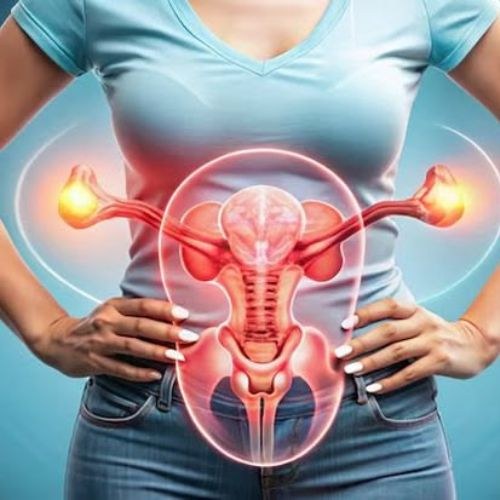
Ovarian cancer is cancer that develops in the ovaries. The ovaries are part of a woman's reproductive system. They are located in the pelvis on either side of the uterus. Each ovary is about the size of an almond. The ovaries make the female hormones progesterone and estrogen and also release eggs into the fallopian tubes.
What Are The Types Of Ovarian Cancer?
Epithelial ovarian cancer - Within epithelial ovarian cancer, there are six subtypes. Each is derived from a different type of tissue in the lower genital tract or Mullerian tract. However, within invasive cancers, there is not a great deal of difference in prognosis for the first three and the distinction is mainly a pathological one.
Serous - This form accounts for around 70% of cases and is therefore the most common type.
Mucinous - This accounts for a further 10%. These tumours have a slightly worse prognosis than serous tumours.
Endometrioid - These tumours (5%) are more likely to be associated with disease in the uterus (womb) and sometimes an ovary is found to be affected when a woman is diagnosed with endometrial cancer.
Clear cell - These tumours (around 3-4%) have a poorer prognosis and tend to behave more aggressively.
Boderline Tumour - 10-15% of ovarian cancers are borderline tumours, also known as tumours of low malignant potential. They tend to remain confined to the ovary for long periods and usually occur in premenopausal women.
Germ cell tumours - Germ cell tumours of the ovary make up 3% of malignant ovarian tumours, so they are rare, just one-tenth as common as germ cell tumours of the testis.
Best Ovarian Cancer Hospitals In India
The best ovarian cancer treatment centers India provide premier diagnostic and treatment services. Our world class diagnostic services help to detect and diagnose the cancer with great precision. The best ovarian cancer doctors and the top hospitals for ovarian cancer offers you the best kind of treatment depending on your specific medical case including the type of ovarian cancer, its stage and other medical conditions.
What Are The Causes Of Ovarian Cancer?
The cause of ovarian cancer is not known.
What are Risk Factors related to Ovarian Cancer?
Child-bearing history - Women who have not had children are slightly more likely to develop ovarian cancer than women who have, although the risk is still very low.
Hormonal factors - Starting your periods early or having a late menopause slightly increases your risk of ovarian cancer. Using hormone replacement therapy (HRT) can slightly increase the risk.
Infertility - Some research has shown that infertility may slightly increase the risk of developing ovarian cancer.
Health factors - Having endometriosis – a condition where the womb lining grows outside the womb – may increase your risk of ovarian cancer.
Diet and body weight - Being overweight may increase your risk of developing ovarian cancer. Eating a diet high in animal fats and low in fresh fruit and vegetables may also increase your risk.
Genetic factors - Certain defects in the genes (BRCA1 and BRCA2) are responsible for a small number of ovarian cancer cases. Women with a personal history of breast cancer or a family history of breast or ovarian cancer have an increased risk for ovarian cancer. About 5–10% of ovarian cancers are caused by the inherited faulty gene in the family.
What Are The Signs And Symptoms Of Ovarian Cancer?
Research suggests there are four symptoms that may be associated with ovarian cancer:
- ABloating
- BPelvic or Abdominal pain and heaviness
- CDifficulty eating or feeling full quickly
- DUrinary urgency or frequency
Other Symptoms May Include
Nausea, indigestion, increased gas, constipation or diarrhea, lack of appetite.
- AExtreme fatigue
- BShortness of breath
- CBackaches
Top 12 Ovarian Cancer Hospitals In India
The best ovarian cancer centers India provide premier diagnostic and treatment services. Our world class diagnostic services help to detect and diagnose the cancer with great precision. The best ovarian cancer doctors and top hospitals offers you the best kind of treatment depending on your specific medical case including the type of ovarian cancer, its stage and other medical conditions. Here are list of top ovarian cancer surgery hospitals in India.
 Manipal Hospital (Old Airport Road), Bangalore
 Global Hospital, Mumbai
 Fortis Memorial Research Institute (FMRI), Gurgaon
 Fortis Hospital (Bannerghatta Road), Bangalore
 Artemis Hospital, Gurugram
 Saifee Hospital, Mumbai
 Medanta - The Medicity, Gurugram
 Max Super Speciality Hospital, Delhi
 Kokilaben Dhirubhai Ambani Hospital, Mumbai
 Jaslok Hospital, Mumbai
BLK Max Super Speciality Hospital, Delhi
Jaslok Hospital, Mumbai
BLK Max Super Speciality Hospital, Delhi
 Indraprastha Apollo Hospital, Delhi
Top 12 Ovarian Cancer Doctors In India
 Dr. Sandeep BatraGynecologic Oncology — Max Hospital, Delhi
 Dr. Niti RaizadaGynecologic Oncology — Fortis, Bangalore
 Dr. Sherly MathenGynecologic Oncology — Aster Medcity Hospital, Kochi
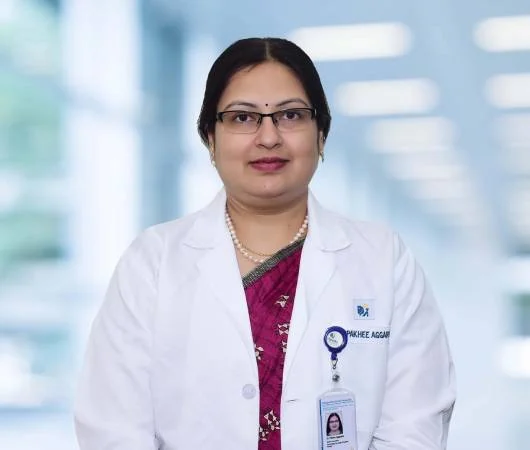 Dr. Pakhee AggarwalGynecologic Oncology — Indraprastha Apollo Hospital, Delhi
 Dr. Richa BansalGynecologic Oncology — Sir H.N. Reliance Foundation Hospital, Mumbai
 Dr. Shruti BhatiaGynecologic Oncology — BLK Max Hospital, Delhi
 Dr. Devyani MahajanGynecologic Oncology — Nanavati Max Super Speciality Hospital, Mumbai
 Dr. Kanika GuptaGynecologic Oncology — Max Hospital, Delhi
 Dr. Padmapriya VivekGynecologic Oncology — Gleneagles Hospital, Chennai
 Dr. S JayalakshmiGynecologic Oncology — Artemis Hospital, Gurugram
 Dr. Sandhya Yadav ShahGynecologic Oncology — Asian Heart Institute, Mumbai
 Dr. Zareena A KhalidGynecologic Oncology — Aster Medcity Hospital, Kochi
How To Do Screening And Diagnosis Of Ovarian Cancer?
While no early detection tool exists for all women, several tests exist for women who are at a high risk. If a woman has ovarian cancer symptoms, a strong family history, or a genetic predisposition such as a BRCA mutation, doctors may monitor her with one of three tests or a combination of them:
Blood Test - A CA-125 blood test is not considered a good screening test for ovarian cancer. However, it may be done if a woman: has symptoms of ovarian cancer or has already been diagnosed with ovarian cancer to determine how well treatment is working
Transvaginal Ultrasound - A transvaginal ultrasound is a test used to examine a woman’s reproductive organs and bladder.
Pelvic Exam - A pelvic exam should be a part of a woman’s regular female health exam. A pelvic examination may reveal an ovarian or abdominal mass. Ovarian cancer is rarely detected in a pelvic exam and usually it is detected if it is in an advanced stage.
The above tests are most effective when used in combination with each other. Doctors may also use a CT scan or PET scan as part of the diagnostic process, however the only definitive way to determine if a patient has ovarian cancer is through surgery and biopsy. No lab or imaging test has ever been shown to be able to diagnose ovarian cancer in its early stages.
What Are Various Stages Of Ovarian Cancer?
There are four stages of ovarian cancer. Your doctor will determine your stage of ovarian cancer. Ovarian cancer is treated differently depending on which stage you are diagnosed with.
Stage I
The cancer is completely contained within the ovary or ovaries
Stage IA- One ovary involved
Stage IB- Both ovaries involved
Stage IC- One or both ovaries involved, but with cancer on the surface of an ovary, rupture of an ovarian cyst malignant ascites or positive abdominal washings.
Stage II
The cancer is in one or both of the ovaries and has spread to additional organs located in the pelvis, such as the bladder, colon, rectum or uterus.
Stage IIA - Spread to the uterus or fallopian tubes
Stage IIB - Spread to pelvic peritoneum
Stage IIC - Confined to the pelvis, but with malignant ascites or positive abdominal washings
Stage III
The cancer is in one or both ovaries and has spread to one or both of the following: the lining of the abdomen or the lymph nodes.
Stage IIIA - Microscopic spread to the upper abdomen
Stage IIIB - Cancer nodules less than 2 cm in the abdomen
Stage IIIC - Nodules more than 2 cm, or positive pelvic or aortic lymph nodes
Stage IV
The most advanced stage of cancer. The cancer has spread from one or both ovaries to additional organs such as the liver or lungs, or there may be cancer cells in the fluid surrounding the lungs.
Stage IVA - Cancer cells found in the fluid around the lungs, with no other areas of cancer spread outside the pelvis, abdomen, or lymph nodes.
Stage IVB - The most advanced stage, where cancer has spread to the inside of the spleen or liver, to organs outside the abdomen, and/or to lymph nodes in the groin.
What Are The Treatments To Cure Ovarian Cancer?
Ovarian cancer treatment will depend on a number of factors, including the stage of ovarian cancer and the general health of the patient. The treatment of Ovarian Cancer includes;
- ASurgery
- BChemotherapy
- CRadiation therapy
- DSurgery for Ovarian Cancer - Ovarian cancer surgery is the usual initial treatment for most women. There are several types of surgery for ovarian cancer. The type of surgery recommended will depend on the extent of the ovarian cancer.
Following Are Some Examples Of Ovarian Cancer Surgery
Unilateral salpingo-oophorectomy: A surgical procedure to remove one ovary and one fallopian tube.
Bilateral salpingo-oophorectomy: A surgical procedure to remove both ovaries and both fallopian tubes.
Total hysterectomy and bilateral salpingo-oophorectomy: A surgical procedure to remove the uterus, cervix, and both ovaries and fallopian tubes. The types are vaginal hysterectomy, total abdominal hysterectomy, total laparoscopic hysterectomy.
Partial oophorectomy: A surgical procedure to remove part of one ovary or part of both ovaries.
Omentectomy: A surgical procedure to remove the omentum (a piece of the tissue lining the abdominal wall).
Tumor debulking: A surgical procedure in which as much of the tumor as possible is removed. Some tumors may not be able to be completely removed.
Lymph node biopsy: Ovarian cancer staging during surgery (to find out whether the cancer has spread) generally involves removing lymph nodes
Radiation Therapy for Ovarian Cancer - Doctors don't often use radiotherapy to treat ovarian cancer. But occasionally they may suggest it after surgery for stage 1 or stage 2 ovarian cancers. This is to help kill off any cancer cells left behind and so lower the risk of the cancer coming back.
For advanced ovarian cancer, you may have radiotherapy to try to shrink tumours and reduce symptoms. You can have the treatment to any part of the body where the cancer is causing problems. You might hear this called palliative radiotherapy.
Chemotherapy for Ovarian Cancer - Chemotherapy uses anti-cancer or 'cytotoxic' drugs to destroy cancer cells. You are most likely to be offered chemotherapy after your surgery if your cancer is Stage 1C or higher. But you may have it if you have an earlier stage cancer that your doctor thinks may be faster growing (high grade). You can also have chemotherapy for ovarian cancer that has come back after you were first treated. You are most likely to have chemotherapy drugs for ovarian cancer as injections through a vein into your bloodstream. Some research has looked at giving chemotherapy into the abdomen. This is known as intraperitoneal chemotherapy.
What Follow-Up Care To Be Taken Post Ovarian Cancer Surgery?
Continuous follow-up is essential for all ovarian cancer patients. This includes patients whose disease is in remission after treatment. Although most women who develop a recurrence do so within the first 2 years after treatment, ovarian cancer can reappear up to 20 years later.
After surgery and during chemotherapy, ovarian cancer patients may be monitored with CA125 tests. Rising levels of this protein indicate a recurrence and the need for more therapy. In addition, many doctors routinely perform “second-look” surgery after a six- or 12-month course of chemotherapy. This procedure involves opening the abdomen and taking tissue samples in a search for cancer cells. If additional cancer cells are found, chemotherapy is repeated. “Second-look” surgery is somewhat controversial because additional cancer is often found or the cancer recurs. Opponents of a “second look” advocate continuing chemotherapy instead of subjecting patients to more surgery. Your doctor may also ask for a computed tomography (CT) scan of your chest, abdomen, and pelvic area and a chest x-ray.
What Are The Benefits Of Ovarian Cancer Treatment And Surgery?
Treatment can be given for different reasons and the potential benefits will vary depending upon your individual situation. In people with early-stage ovarian cancer, surgery is often done with the aim of curing the cancer. You may also be given additional treatments to reduce the risk of it coming back. If the cancer is at a more advanced stage, the treatment may be able to control it, improving symptoms and quality of life.
Following surgery, some patients may benefit from additional treatment with chemotherapy to further decrease the risk of cancer recurrence. Chemotherapy may be beneficial in some women with low-risk stage I ovarian cancer; however, because surgery cures more than 90 percent of patients, it is difficult to demonstrate additional benefit from chemotherapy treatment for all patients.
Recent studies have resulted in recommendations that certain women will benefit from a combination of intravenous and intraperitoneal chemotherapy. A thorough discussion with your physician regarding this type of chemotherapy should include benefit versus risk, as well as side effects. Although side effects can be unpleasant, for most patients the benefits of treatment usually far outweigh the risks and discomforts. It is important to keep in mind that most patients receiving chemotherapy are able to enjoy an active and good quality of life.
Why Travel To India For Ovarian Cancer Treatment And Surgery?
Private, state-of-the-art hospitals in India create a setting with many benefits for your ovarian cancer treatment , not only providing a ground-breaking approach to ovarian cancer treatment, but also including access to medical technology and diagnostic tools not readily available in less advanced treatment centers. The program of surgery will begin with an assessment by a multidisciplinary medical team. Indian doctors work with you to establish the parameters of your current medical condition and determine your course of treatment. Health care professionals in Indian Hospitals develop a personalized ovarian cancer surgery plan tailored to your unique needs and diagnosis at a low cost . Ovarian cancer hospitals in India specialize in advanced, minimally invasive techniques that fight cancer while supporting your quality of life, both during and after treatment. Throughout your treatment, Indian ovarian cancer doctors use supportive therapies, like nutrition therapy and oncology rehabilitation, to help preserve more of your quality of life and reduce treatment-related side effects.
Cities In India That Offer High Quality Ovarian Cancer Surgery In India Are
| Mumbai | Hyderabad | Kerala |
|---|---|---|
| Delhi | Pune | Goa |
| Bangalore | Nagpur | Jaipur |
| Chennai | Gurgaon | Chandigarh |

 United States
 United Kingdom
 Canada
 Australia
 New Zealand
 Nigeria
 Kenya
Kenya Ethiopia
 Uganda
 Tanzania
 Zambia
 Congo
Congo Sri Lanka
 Bangladesh
 France
 Afghanistan
 Nepal
Nepal Uzbekistan