Overview
For getting safe and successful pancreatic cancer surgery in India, you need to select an expert cancer surgeon. When you feel like any symptoms of pancreatic cancer, then it is very important to get your check ups done from your doctor and if cancer is found then it could be cured at its early stage without any complication.
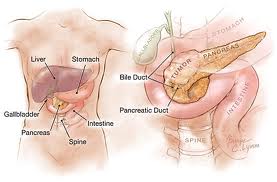
The pancreas is a gland located deep in the abdomen between the stomach and the spine. The liver, intestine, and other organs surround the pancreas. The widest part of the pancreas is the head, the middle section is the body, and the thinnest part is the tail. The pancreas makes insulin and other hormones. These hormones enter the bloodstream and travel throughout the body.
Pancreatic cancer is a group of many related diseases. All cancers begin in cells, the body's basic unit of life. Cells make up tissues, and tissues make up the organs of the body. Normally, cells grow and divide to form new cells as the body needs them. When cells grow old and die, new cells take their place. Sometimes this orderly process breaks down.
New cells form when the body does not need them, or old cells do not die when they should. These extra cells can form a mass of tissue called a growth or tumor. Pancreatic cancer is sometimes called a "silent disease" because early pancreatic cancer often does not cause symptoms.
But, as the cancer grows, symptoms may include: Pain in the upper abdomen or upper back, Yellow skin and eyes, and dark urine from jaundice, Weakness, Loss of appetite, Nausea and vomiting, Weight loss. The exact cause of pancreatic cancer is not clear. However, it is clear that this disease is not contagious. No one can "catch" cancer from another person.
The surgical procedure of pancreatic cancer is very complex and it requires an expert in the field of cancer surgery for cancer treatment.
Diagnosis And Staging
Many international patients select India as a destination for their pancreatic cancer treatment because of the high prices in Europe and the US. The cost of pancreatic cancer surgery in abroad is very high as compared to the cost of pancreatic cancer surgery in India.
The surgical procedure of pancreatic cancer surgery is very complex and it require experts surgeon for performing the surgical procedure, in India most experienced cancer surgeons are available for risk-aware cancer treatment.
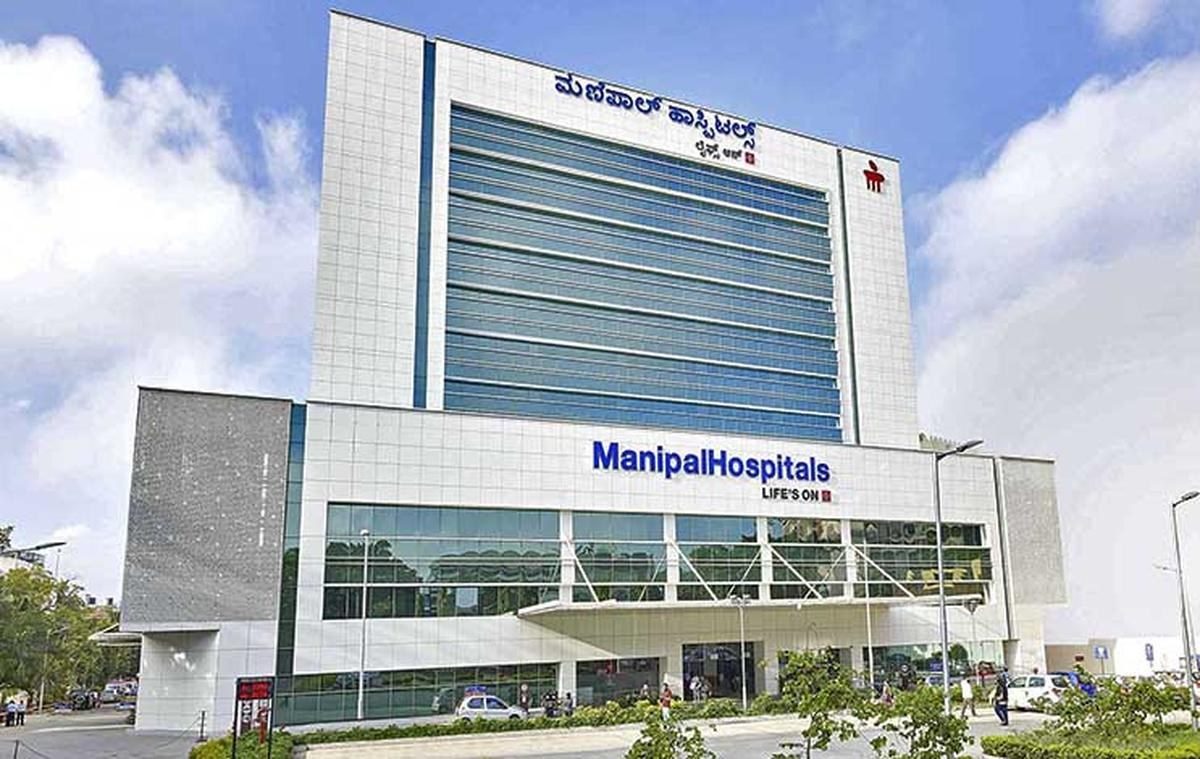
The hospitals of pancreatic cancer surgery in India are at Mumbai, Delhi, Chennai, Bangalore and Hyderabad are providing special assistance to international patients coming to India for their pancreatic cancer surgery. Patients go back home happily after getting pancreatic cancer surgery in India
What Patients Should Confirm
Patients should confirm the diagnosis, stage, biopsy summary, imaging reports, and whether the plan includes surgery, chemotherapy, radiation, targeted therapy, or a combination.
Before requesting a medical opinion, keep recent reports, imaging files, discharge summaries, prescriptions, and a short symptom timeline ready. This helps the specialist review the case without unnecessary back-and-forth.
Travel And Follow-Up Planning
International patients should ask about visa documents, attendant needs, estimated hospital stay, nearby accommodation, fitness-to-fly advice, and how follow-up will continue after returning home.
Forerunners Healthcare can coordinate hospital options, doctor review, appointment planning, travel support, and cost estimates while keeping the final medical decision with the treating specialist.
Care Planning Checklist
Before confirming treatment, patients should share recent reports, imaging, prescriptions, allergy details, previous discharge summaries, and a short timeline of symptoms or diagnosis. This helps the hospital team give a clearer medical opinion and a more realistic cost estimate.
Patients should also confirm the expected hospital stay, attendant needs, visa documents, airport transfers, accommodation near the hospital, payment inclusions, and what may change if extra tests or a longer stay are required.
Follow-up planning should be discussed before travel. Ask what warning signs need urgent attention, when flying is usually reviewed, how medicines or dressings will be managed, and how the treating team will coordinate after the patient returns home.