
Overview
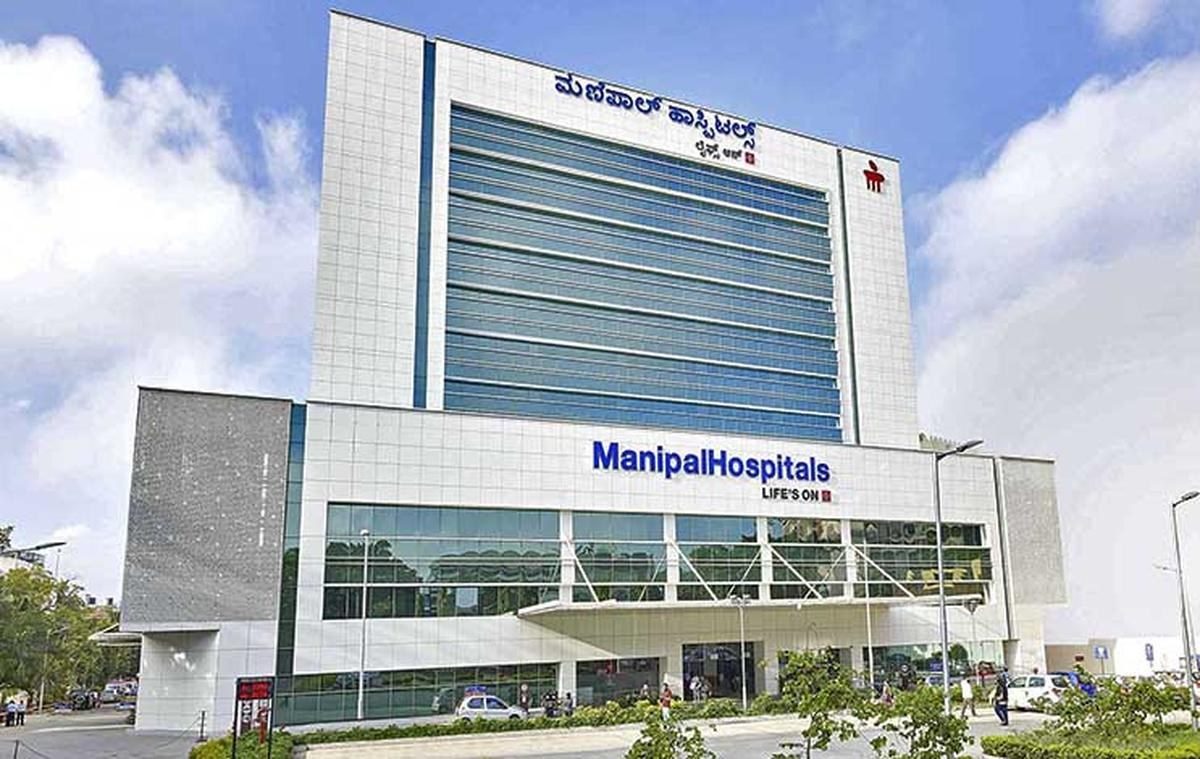
Choose Bladder Cancer Surgery in India for effective cancer treatment. Bladder Cancer Surgery in India is performed by highly educated Oncologist who have years of experience in Oncology. Most of them are trained abroad in countries like US and UK and have a good experience of working in the west and understand the patient's needs.
Bladder Cancer Surgery in India is available at various Corporate Hospitals across India in like Mumbai, Bangalore, Hyderabad, Chennai and New Delhi. Indian Hospitals cover a broad spectrum of medical services and facilitate advanced, high quality and affordable medical treatment.
India has kept pace with the latest in technology in the field of healthcare/medicine and its application is widely being felt in the health industry.
Bladder cancer is the most common cancer of the urinary tract. Bladder cancer occurs most commonly between the ages of 50 and 70. It is twice as common in men as in women. Cancer-causing agents (carcinogens) in the urine may lead to the development of bladder cancer. Common symptoms of bladder cancer include - Blood in the urine (hematuria).
Sometimes, blood clots can form which may cause painful muscle spasms in the bladder, pain or burning during urination without evidence of urinary tract infection, pelvic pain, frequent urination, or feeling the strong urge to urinate without producing much urine, slowing of your urinary stream. Infections, benign tumors, bladder stones or other problems can also cause these symptoms.
When any of these symptoms is noticed, consult a doctor, preferably a urologist so that he can diagnose and treat any problem as early as possible. Treatment for bladder cancer depends on the stage of the disease, the type of cancer, and the patient's age and overall health. It generally begins within a few weeks after the diagnosis.
The treatment options for bladder cancer are surgery, radiation therapy, chemotherapy and biological therapy. Sometimes a combination of these therapies is used. The exact causes of bladder cancer are unknown. Smoking is believed to be an important cause of bladder cancer. Exposure to certain toxic chemicals and drugs may also result in cancer. The risk of cancer increases with age.
Diagnosis And Staging
Bladder Cancer Surgery in India is a good option for you not only because of the cost factor but also because English is widely spoken here. All hospitals have excellent English speaking staff and hence communication is very easy. With an increasing survival rate more and more cancer patients from all over the world prefer to come to India for their treatment.
In India, medical treatment is not only fast but also available at affordable rates. For expert opinion and transmission facilities tele-consultancy is available as well. Bladder Cancer Surgery in India is available at various Indian corporate hospitals that are equipped to handle all phases of cancer from the elementary to latest clinical procedures.
What Patients Should Confirm
Patients should confirm the diagnosis, stage, biopsy summary, imaging reports, and whether the plan includes surgery, chemotherapy, radiation, targeted therapy, or a combination.
Before requesting a medical opinion, keep recent reports, imaging files, discharge summaries, prescriptions, and a short symptom timeline ready. This helps the specialist review the case without unnecessary back-and-forth.
Travel And Follow-Up Planning
International patients should ask about visa documents, attendant needs, estimated hospital stay, nearby accommodation, fitness-to-fly advice, and how follow-up will continue after returning home.
Forerunners Healthcare can coordinate hospital options, doctor review, appointment planning, travel support, and cost estimates while keeping the final medical decision with the treating specialist.
Care Planning Checklist
Before confirming treatment, patients should share recent reports, imaging, prescriptions, allergy details, previous discharge summaries, and a short timeline of symptoms or diagnosis. This helps the hospital team give a clearer medical opinion and a more realistic cost estimate.
Patients should also confirm the expected hospital stay, attendant needs, visa documents, airport transfers, accommodation near the hospital, payment inclusions, and what may change if extra tests or a longer stay are required.
Follow-up planning should be discussed before travel. Ask what warning signs need urgent attention, when flying is usually reviewed, how medicines or dressings will be managed, and how the treating team will coordinate after the patient returns home.