
Overview
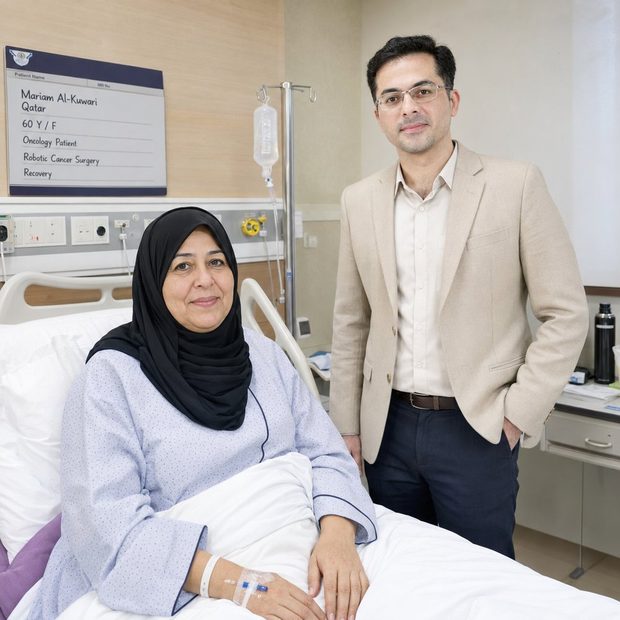
Minimal access surgery in India is provided at special healthcare departments with the integrated and seamless care of professional teams of medical and surgical consultants, committed nursing staff, competent paramedics and friendly support services.
The facilities provided by Indian hospitals are at par with any major hospital worldwide and hospitals maintain highest standards of hygiene and hospitality treatment towards the patients.
Healthcare departments providing cost efficient Minimal access surgery in India have certifications for internationally recognized quality standards and are well-equipped and staffed to ensure the highest level of professionalism, safety and care to patients.
Minimal access surgery is a relatively new technique that involves the surgeon operating through tiny (often no more than 5 mm) incisions. A telescope with a video camera is introduced through one incision and operating instruments are introduced through one or more other incisions. The operation is performed by the surgeon who watches the image on a television monitor.
Suitability And Evaluation
The advantages of Minimal access surgery are as a result of the very small incisions used. This results in less discomfort, quicker recovery and a much better cosmetic result. Many operations in different surgical specialties can now be performed using Minimal access techniques. In general surgery a number of operations have become routine.
These include operations for gallstones, groin and incisional hernia, hiatus hernia causing reflux of acid, excessive sweating and obesity.
Minimal access surgery in India is done by the best hands, scheduled conveniently and at surprisingly affordable costs. Medical tourism in India has goal to restore optimal health of patient within state-of-the-art facilities and comfortable and relaxing environment.
Medical tourism in India takes care of all the basic need of the medical tourists by arranging best medical tours and treatment packages suiting their budget. Surgeons performing Minimal access surgery have ample experience for better outcome.
What Patients Should Confirm
Patients should confirm medical fitness, BMI history, diabetes or sleep-apnea status, nutritional review, and the lifestyle plan expected after the procedure.
Before requesting a medical opinion, keep recent reports, imaging files, discharge summaries, prescriptions, and a short symptom timeline ready. This helps the specialist review the case without unnecessary back-and-forth.
Travel And Follow-Up Planning
International patients should ask about visa documents, attendant needs, estimated hospital stay, nearby accommodation, fitness-to-fly advice, and how follow-up will continue after returning home.
Forerunners Healthcare can coordinate hospital options, doctor review, appointment planning, travel support, and cost estimates while keeping the final medical decision with the treating specialist.
Care Planning Checklist
Before confirming treatment, patients should share recent reports, imaging, prescriptions, allergy details, previous discharge summaries, and a short timeline of symptoms or diagnosis. This helps the hospital team give a clearer medical opinion and a more realistic cost estimate.
Patients should also confirm the expected hospital stay, attendant needs, visa documents, airport transfers, accommodation near the hospital, payment inclusions, and what may change if extra tests or a longer stay are required.
Follow-up planning should be discussed before travel. Ask what warning signs need urgent attention, when flying is usually reviewed, how medicines or dressings will be managed, and how the treating team will coordinate after the patient returns home.