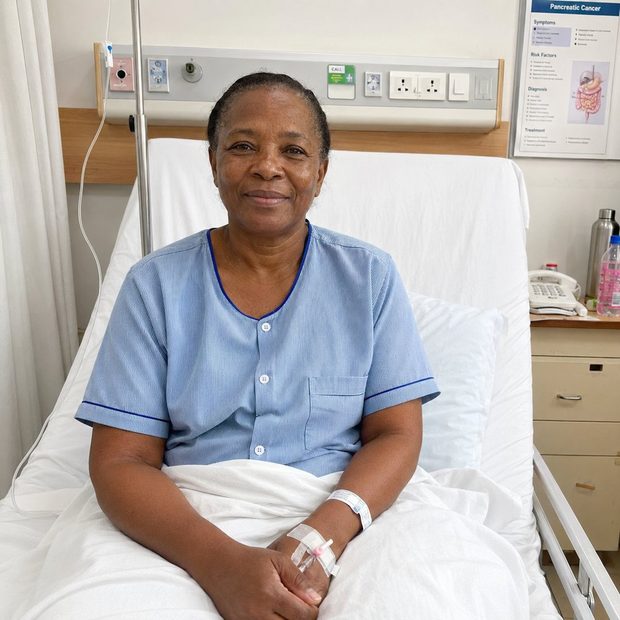
What Is Lap Band Surgery?
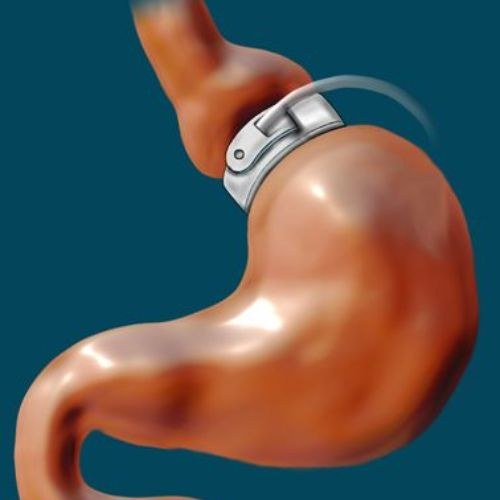
Lap-Band surgery is a type of weight loss surgery that involves placing a silicone band around the upper part of the stomach to reduce appetite. When the band is in place, it regulates the amount of food that can enter the greater area of the stomach, while creating a smaller pouch in the upper part of the stomach that fills up with food quickly. When the pouch is full, the brain senses that the stomach is full, so the person does not feel the need to eat any more, despite the fact that most of his stomach is still empty.
Who Is The Candidate For Lap Band Surgery?
If your BMI is 40 or more, you might be a candidate for Lap band surgery. For some people with a BMI between 35 and 40, surgery might also be a choice if you have other medical conditions. Lap band surgery may be right for you if you are between 18 and 60 years of age, you weigh twice your ideal weight or at least 45 kilos (100 lbs.) more than your ideal weight, and you have been overweight for more than 5 years.
Other factors considered include whether your serious attempts to lose weight have had only short-term success, whether you are free of any other disease that could have caused you to be overweight, whether you are prepared to make substantial changes in your eating habits and lifestyle and continue being monitored by the specialist treating you, and whether you do not drink alcohol in excess.
What Is The Success Rate Of Lap Band Surgery?
Success rate of Lap band surgery is pretty good. Weight loss achieved using lap band surgery compares favorably with other forms of surgery and there are also fewer complications, both during and after surgery, with those complications that do occur proving less serious than in other forms of weight loss surgery. Lap band success is also being seen in the terms of the reduction of associated (co-morbid) conditions such as type 2 diabetes, sleep apnea and hypertension.
How To Prepare For Lap Band Surgery?
Start exercising on a regular basis. Your exercise could be as mild as water aerobics, daily walks or any other aerobic workout. It is important to start gradually and build up to at least 30 minutes of regular exercise every day. Stop smoking, as it paralyzes the lining of your air passages, hinders good working of your lungs and heart, and increases the risk of ulcers in the new stomach pouch after surgery.
Follow a liquid diet for 24 hours before surgery and do not eat or drink anything after midnight the night before surgery. You may also need to take a bowel preparation. Hospital staff will give you exact instructions if you need them, and you may want to visit the surgical floor before you have surgery to see the unit, meet the nurses, and ask any questions you may have.
How Is Lap Band Surgery Procedure Performed?
The idea behind the Lap band surgery procedure is to create a small pouch in the upper part of the stomach with a controlled and adjustable stoma, without stapling, thus limiting food intake. A gastric band device is introduced through tiny (1cm) incisions in the abdomen and is placed around the upper part of the stomach.
The resulting pouch (or the "new stomach") dramatically reduces the functional capacity of the stomach. The band has a balloon from the inside that is adjustable and can reduce stoma size, thus prolonging the period of fullness. The operation is performed under general anesthesia and can last between 30 minutes and 1 hour.
The Band is fitted around the uppermost part of the stomach, forming a 15cc small pouch. It is designed so that it can be inflated or deflated at any time after the operation, helping the patient continually lose weight until they reach their goals. The restriction takes place in the radiology suite and normally takes 15 minutes — a simple, painless procedure where saline is injected into a port placed under the skin in the wall of the stomach.
Find List Of Top Lap Band Surgeons In India
These bariatric and laparoscopic surgeons across India's leading hospitals perform lap band and other weight loss surgeries using advanced, minimally invasive techniques.
 Dr. Pradeep ChowbeyBariatric Surgery — Max Super Speciality Hospital, Delhi
 Dr. A. K. KriplaniBariatric Surgery — Fortis Memorial Research Institute, Gurgaon
 Dr. Arun PrasadBariatric Surgery — Manipal Hospital, Delhi
 Dr. Manish BaijalBariatric Surgery — Max Super Speciality Hospital, Delhi
 Dr. Ramen GoelBariatric & Laparoscopic Surgery — Mumbai
 Dr. Sanjay BorudeBariatric Surgery — Apollo Spectra Hospitals, Mumbai
 Dr. Ramesh MakamBariatric Surgery — Fortis Hospital, Bangalore
 Dr. Mahendra NarwariaBariatric Surgery — Asian Bariatrics Obesity Center, Ahmedabad
 Dr. Shrihari DhorepatilBariatric Surgery — Shree Hospital, Pune
 Dr. Ahsan BadarBariatric Surgery — Nagpur
Find List Of Top Lap Band Surgery Hospitals In India
These leading hospitals across India have dedicated bariatric surgery units performing lap band surgery with advanced, minimally invasive techniques.
 Indraprastha Apollo Hospital, Delhi
 Fortis Memorial Research Institute (FMRI), Gurgaon
 Medanta - The Medicity, Gurugram
 Max Super Speciality Hospital, Delhi
 Kokilaben Dhirubhai Ambani Hospital, Mumbai
 Global Hospital, Mumbai
 Manipal Hospital (Old Airport Road), Bangalore
 Fortis Hospital (Bannerghatta Road), Bangalore
 Artemis Hospital, Gurugram
 Saifee Hospital, Mumbai
 Jaslok Hospital, Mumbai
 Lilavati Hospital & Research Centre, Mumbai
How Is The Recovery After Lap Band Surgery?
Since lap band surgery is minimally invasive and doesn't involve cutting or stapling of any organs, most patients are discharged within 48 hours, and some might even be discharged within 24 hours. Those who have undergone a lap band surgery must consult their doctor within a week, and a follow-up is typically scheduled after a week. Since the anatomy of the stomach has been altered, a bariatric surgery diet needs to be followed.
During the first two weeks following the surgery, you might have to take a liquid diet, with dietary changes made as per the advice of your doctor or a dietitian. Though 7-10 days after the procedure you might be able to perform your daily activities, any strenuous activity must be avoided for a period of 6 weeks after surgery.
Post operative follow up is an essential part of this procedure, with check ups every week during the first month. After a few months, adjustments could be made by injection or retraction of the saline fluid into the port of the lap band device. If you experience heartburn, nausea and vomiting, difficulty in swallowing, blockage of the stoma, dehydration, gastritis, constipation, ulceration or other digestive problems, you must consult your doctor soon.
What Are The Advantages Of Lap Band Surgery?
Following are the Advantages of Lap Band Surgery:
- Least invasive surgical option
- No intestinal re-routing
- No cutting or stapling of the stomach wall or bowel
- Small incisions and minimal scarring
- Reduced patient pain, length of hospital stay and recovery period
- Significantly lower mortality risk compared to other weight-loss surgeries
- Low risk of nutritional deficiencies associated with gastric bypass
- Reduced risk of hair loss
- No “dumping syndrome” related to dietary intake restrictions
- Allows individualized degree of restriction for ideal rate of weight-loss
- Adjustments performed without additional surgery
- Supports pregnancy by allowing stomach outlet size to be opened to accommodate increased nutritional needs
- Only surgical option designed to help maintain long-term weight loss
What Are The Risks Of Lap Band Surgery?
The risks involved with Lap Band Surgery include asthenia (fatigue), fever, chest pain, incision pain, and contact dermatitis (rash). These risks can be avoided if the surgery is performed under experienced surgeons with proper care.
What Are The Alternatives Of Lap Band Surgery?
Alternatives of Lap band surgery include gastric bypass surgery (Roux-en-Y gastric bypass), biliopancreatic diversion with a duodenal switch (BPD-DS surgery), and vertical sleeve gastrectomy (VSG).
Why Consider Lap Band Surgery In India?
India is one of the fastest emerging destinations for medical tourism in Asia, mainly catering for international health travelers. The majority of India's medical tourists come from western countries mainly due to the superior quality of healthcare that India offers. The same reason draws health travelers from other Asian countries like Bangladesh and Pakistan.
Patients from richer Asian countries like Singapore and Japan, which are the second and third highest origins of medical travelers respectively, visit India due to the lower prices of medical procedures. Australians and people from the European Union are attracted to the lower cost of medical procedures in India, whilst Middle Eastern medical travelers visit India for both the price and the quality of healthcare provided.
What Is The Cost Of Lap Band Surgery In India?
The cost of Lap band surgery has decreased substantially over the last two years, combined with the fact that patient outcomes have continued to improve. This could be a great opportunity for you to take advantage of this procedure and accomplish your personal weight loss goals as well as improve your overall physical and mental health.
India offers low cost lap band surgery at various international hospitals. By getting the surgery done in India you can save up to 80% of the cost that you have to pay in other developed countries.
| Procedure | USA | India |
|---|---|---|
| Lap Band (Gastric Banding) Surgery | $24,000 | $6,000 |
| Lap Band Adjustment | $3,500 | $700 |
| Lap Band Removal & Revision | $18,000 | $4,000 |
How To Plan Lap Band Surgery In India With Forerunners Healthcare?
Forerunners Healthcare with best services offers lap band surgery in India to its international patients. Forerunners Healthcare has an efficient back office support, with a group professional people in Healthcare management, Marketing and Administration. We handle patients all over the globe and recommend them to the best medical establishment, ensuring the best treatment without spending too much money. Benefits of working with us include zero waiting time, complete personal care and cost effective treatments.
We have our network offices worldwide, marketing and promoting our associated health care providers, and act as a facilitator between the patients and the hospitals, assisting them right from their arrival, treatment and departure. In addition to medical services, we also provide complete transport, travel, accommodation and tourist assistance to the patient and his family. For consultation, the patient just has to send a detailed query and one of the patient coordinators will assist them within 24 hours, with all arrangements made as per the patient's requirement and convenience.
 United States
 United Kingdom
 Canada
 Australia
 New Zealand
 Nigeria
 Kenya
Kenya Ethiopia
 Uganda
 Tanzania
 Zambia
 Congo
Congo Sri Lanka
 Bangladesh
 France
 Afghanistan
 Nepal
Nepal Uzbekistan