Plan Your Weight Loss Surgery In India With Forerunners Healthcare Consultants
We all love junk food. The instant we feel low, extra cheese pizza or a large bag of French Fries is our best friend. But sadly, they are rather our enemies. All the fat gathers in your body so just forget your favorite skinny, evening dress! Eating is easy, but losing the fat amassed may take your youthful years, and the hospitals will take away your money. Forerunners Healthcare Consultants is a medical travel partner that helps you get the best weight loss surgery options at extremely low rates.
Overview
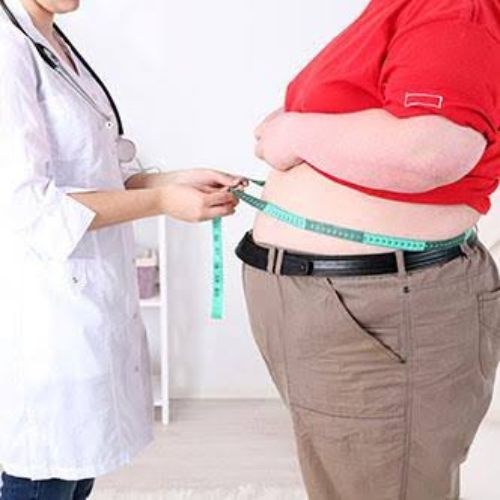
Many people with excessive weight problems are turning to weight loss surgery or obesity surgery. It is fast becoming a popular option when other weight loss methods, such as diet, exercise and supplementation have failed. Failure of these methods means that a person is unable to maintain a healthy weight and in many cases, the weight is regained. And, excessive weight, if not dealt with can lead to long term health problems such as cancer, heart disease or coronary strokes. Perhaps in the next 25 years, obesity will become the biggest financial drain on one’s family and country along with other associated life style disorders like Diabetes and Hypertension to name a few. Obesity refers to a spectrum of problems due to excess weight ranging from being mildly overweight to being morbidly obese. Patients with morbid obesity do not tend to respond to medical means of weight loss.
What Is Weight Loss Surgery?
Weight Loss Surgery includes a variety of procedures performed on people who are obese. Weight loss includes a variety of procedures performed on people who are obese. It is achieved by reducing the size of the stomach with an implanted medical device (gastric banding) or through the removal of a portion of the stomach (sleeve gastrectomy or biliopancreatic diversion with duodenal switch) or by resecting and re-routing the small intestines to a small stomach pouch (gastric bypass surgery). Long-term studies show that the procedures causes significant long-term weight loss, help recovery from diabetes, improves the cardiovascular risk factors and reduces the mortality by 23% from 40%.
Is Weight Loss Surgery Right For You?
A Weight Loss Surgery is good for individuals who are obese or morbidly obese. Most have tried to slim down with diets and/or exercise, but have failed. Doctors take a close look at the whole person when determining if the person is a good candidate for weight loss surgery. If the patient is not willing to do the pre-surgery diet and work, the doctor may not elect to go ahead with the procedure. Typically, to qualify for bariatric surgery you must be 'morbidly obese', which usually means being overweight by 100 pounds (man) or 80 pounds (woman) with a Body Mass Index (BMI) of 40+. There are other factors the surgeon will consider in determining if the procedure is right for you, such as:
- AAge - Generally, weight loss surgery can be performed on anyone between the ages of 18 and 60.
- BWeight If your weight is twice your ideal body weight, you may be a candidate for the procedure.
- CMedical There are no medical conditions responsible for the weight gain such as hormonal imbalances, tumors or other diseases, or those diseases have been treated, or are currently being treated.
- DCommitment You are committed to changing your habits, including eating, lifestyle, diet and exercise--not only immediately, but also into the future.
- EHistory You have a history of trying to lose weight and gaining it back, or you have been obese for at least five years with no success at traditional weight loss methods.
- FAddictions You have no known or diagnosed addictions to alcohol, drugs or other controlled substances.
If you meet all of the above requirements, you're probably a good candidate for weight loss surgery.
How Does Weight Loss Surgery Work?
The concept of gastric surgery to control obesity grew out of the results of operations for cancer or severe ulcers that removed large portions of the stomach or small intestine. Because patients undergoing these procedures tend to lose weight after surgery, some doctors began to use such operations to treat severe obesity. The first operation that was widely used for severe obesity was a type of intestinal bypass. This operation, first used 40 years ago, caused weight loss through malabsorption. The idea was that patients could eat large amounts of food, which would be poorly digested or passed along too fast for the body to absorb many calories. The problem with this surgery was that it caused a loss of essential nutrients (malnutrition) and its side effects were unpredictable and sometimes fatal. The original form of the intestinal bypass operation is no longer used. Surgeons now use other techniques that produce weight loss primarily by limiting how much the stomach can hold. Two types of surgical procedures used to promote weight loss are:

Through food intake restriction, malabsorption, or a combination of both, you can lose weight since less food either goes into your stomach or stays in your small intestine long enough to be digested and absorbed.
Top Hospitals For Weight Loss Surgery In India
The best weight loss surgery hospitals in India perform all the different types of weight loss surgeries at the most economical price. Our association with different hospitals at Delhi, Ahmedabad, Chennai, Mumbai, Pune, Goa, Kochi, Jaipur, Chandigarh, Nagpur, Gurgaon, Noida, Bangalore, Hyderabad, Kerala, etc offer low cost weight loss surgery in India . The commitment of our top weight loss surgeons in India has led to the achievement of better outcomes and improved quality of life for hundreds of obese patients visiting India for their surgery.
Find List Of Best Weight Loss Hospitals And Clinics Of India
 Manipal Hospital (Old Airport Road), Bangalore
 Global Hospital, Mumbai
 Fortis Memorial Research Institute (FMRI), Gurgaon
 Fortis Hospital (Bannerghatta Road), Bangalore
 Artemis Hospital, Gurugram
 Saifee Hospital, Mumbai
 Medanta - The Medicity, Gurugram
 Max Super Speciality Hospital, Delhi
 Kokilaben Dhirubhai Ambani Hospital, Mumbai
 Jaslok Hospital, Mumbai
BLK Max Super Speciality Hospital, Delhi
Jaslok Hospital, Mumbai
BLK Max Super Speciality Hospital, Delhi
 Indraprastha Apollo Hospital, Delhi
Find List Of Top Weight Loss Surgeons Of India
 Dr. Pradeep ChowbeyBariatric Surgery — Max Super Speciality Hospital, Delhi
 Dr. A. K. KriplaniBariatric Surgery — Fortis Memorial Research Institute, Gurgaon
 Dr. Arun PrasadBariatric Surgery — Manipal Hospital, Delhi
 Dr. Manish BaijalBariatric Surgery — Max Super Speciality Hospital, Delhi
 Dr. Ramen GoelBariatric & Laparoscopic Surgery — Mumbai
 Dr. Sanjay BorudeBariatric Surgery — Apollo Spectra Hospitals, Mumbai
 Dr. Ramesh MakamBariatric Surgery — Fortis Hospital, Bangalore
 Dr. Mahendra NarwariaBariatric Surgery — Asian Bariatrics Obesity Center, Ahmedabad
 Dr. Shrihari DhorepatilBariatric Surgery — Shree Hospital, Pune
 Dr. Ahsan BadarBariatric Surgery — Nagpur
What Are The Preparations For Weight Loss Surgery?
Having a Weight Loss Surgery is a life-changing procedure and is one that should be considered carefully. The following steps can help you to prepare for your surgery and the changes that you will go through. Educate yourself about Weight Loss Surgery. Learn everything you can about bariatric surgery. Make a list of the following:
- AA complete history of all diet attempts.
- BMedications (both prescription and over-the-counter) and the dosages you take.
- CFood you like and that you cannot tolerate.
- DMedical records, especially any recent cardiac stress testing, to minimize repeat tests.
Start making important changes in eating and exercise habits. Doing this can help prepare you for the life changes that you will need to do after the surgery. These are some of the necessary dietary and behavioral changes that you need to start:
- ADrink at least 64 ounces of water daily.
- BSwitch from caffeine to decaffeinated beverages
- CKeep a detailed written food diary.
- DEat at least three meals per day and avoid snacking in between.
- EDon't worry about the calories for now, focus on the behavior.
- FBegin a walking program if possible.
- GStop smoking. Smoking slows the healing process and may cause respiratory problems after surgery. If you need help, ask your doctor.
- HKnow about your surgeon.
What Are The Common Types Of Weight Loss Surgery?
The following are the common types of Weight Loss Surgery procedures performed to treat obesity:
- ALaparoscopic Gastric Banding (Lap-Band): An inflatable band is placed around the upper stomach to create a small pouch and narrow passage into the remainder of the stomach. This limits food consumption and creates an earlier feeling of fullness. Once the band is in place, it is inflated with saline. The band is adjusted over time by increasing or decreasing the amount of salt solution to change the size of the passage. The band is intended for severely obese people — those at least 100 pounds overweight or who are at least twice their ideal body weight — who have failed to lose weight by other methods such as a supervised diet and exercise. The band is intended to remain in place permanently, but it can be removed if necessary. People who get the band will need to diet and exercise in order to maintain their weight loss. Complications may include nausea and vomiting, heartburn, abdominal pain, band slippage, or pouch enlargement.
- BRoux-en-Y Gastric Bypass (RGB): The surgeon makes the stomach smaller by using surgical staples to create a small stomach pouch. The pouch is attached to the middle part of a small intestine. Food bypasses the upper part of the small intestine and stomach and goes into the middle part of the small intestine through a small opening. Bypassing the stomach limits the amount of food a person can eat. By bypassing part of the intestine, the amount of calories and nutrients the body absorbs is reduced. The small opening slows down the rate food leaves the pouch. One risk for patients is "dumping syndrome." This happens when the stomach contents move too rapidly through the small intestine. Symptoms may include nausea, weakness, sweating, faintness, and diarrhea after eating. Side effects include infection, leaking, pulmonary embolism (sudden blockage in a lung artery), gallstones, and nutritional deficiency.
- CBiliopancreatic Diversion (BPD): This procedure is not commonly used in the United States. A large part of the stomach is removed. The amount of food is restricted, in addition to stomach acid production. The small pouch that remains is connected directly to the final segment of the small intestine, completely bypassing other parts of the small intestine. A common channel remains in which bile and pancreatic digestive juices mix prior to entering the colon. Weight loss occurs since most of the calories and nutrients are routed into the colon where they are not absorbed. This procedure is less frequently used than other types of surgery because of the high risk for nutritional deficiencies. A variation of BPD includes a "duodenal switch," which leaves a larger portion of the stomach intact, including the pyloric valve that regulates the release of stomach contents into the small intestine. It also keeps a small part of the duodenum.
- DVertical Banded Gastroplasty (VBG): The vertical banded gastroplasty or VBG is a restrictive gastric (stomach) bypass surgery for weight loss surgery. The vertical banded gastroplasty for weight loss, along with the Roux en Y gastric bypass surgery, is one of the two major types of operations for the treatment of severe obesity. The goal of this procedure is to severely restrict the patient's capacity to eat certain foods. The general or bariatric surgeon uses sophisticated surgical staples to make a small stomach pouch. This reduces how much food the stomach can hold. When the amount of food the stomach can hold is reduced, an obese person feels full sooner. But at the same time, the stomach digests nutrients and calories in a normal anatomical way. This is another common way to reduce how much food the stomach can hold. Vertical banded gastroplasty has an advantage by limiting only the amount of the food meal, and not affecting the absorption process involved in digestion.
- ESleeve Gastrectomy: It is a restrictive procedure; by reducing the stomach capacity, the patient feels full after a small intake of food. Sleeve gastrectomy is a surgical weight-loss procedure in which the stomach is reduced to about 25% of its original size, by surgical removal of a large portion of the stomach, following the major curve. The open edges are then attached together (often with surgical staples) to form a sleeve or tube with a banana shape. The procedure permanently reduces the size of the stomach. The procedure is performed laparoscopically and is not reversible. It is done by means of laparoscopic techniques. These techniques involve the use of special instruments that are introduced through very small incisions that allow the area treated to be seen on a closed circuit monitor. The incisions that the surgeons make nowadays are of no more than 0.4 inches (1 cm); the surgical trauma they produce is much lower and the post surgical pain much more tolerable. Through these incisions, the surgeon can reach the stomach and, using a special stapler, he makes a vertical suture to divide the stomach in two. One of the sections is shaped like a tube that goes from the oesophagus to the intestine. The other one is separated and removed. The staples used are very strong.
What Are Post Operative Care Following The Weight Loss Surgery?
You will need to stay in the hospital until your team feels that it is safe for you to leave (on average, one to three days). Do not drive if you are taking prescribed pain medicine. Start exercising as soon as possible when you heal; most weight loss centers will design an exercise program for you. Once you are home, it is important to eat and drink exactly what your doctor and dietitian recommend. You will see your doctor, nurse, and dietitian on a regular basis after surgery to monitor your health, diet, and weight loss. You will be able to slowly increase how much you eat over time, although it will always be important to:
- AEat small, frequent meals and not skip meals
- BChew your food slowly and completely
- CAvoid eating while "distracted" (such as eating while watching TV)
- DStop eating when you feel full
- EDrink liquids at least 30 minutes before or after eating
- FAvoid foods high in fat or sugar
- GTake vitamin supplements, as recommended
What Is The Recovery After The Weight Loss Surgery?
Recovering from surgery and losing weight can be stressful and emotional, and it is important to have the support of family and friends. Working with a social worker, therapist, or support group can help you through the ups and downs. Recovery from weight loss surgery requires both a short-term plan and a long-term plan. To manage the effects of morbid obesity and bariatric surgery, your post-weight loss surgery care plan may involve several different types of health care professionals, who will work together to help ensure your overall health, manage your food addiction and provide a smooth transition to new day-to-day activities.
Weight loss surgery is a genuine life-changing experience. Changes in your life may include the ability to fully perform day-to-day activities, the reduction of your risk of disease, the possible resolution of certain medical conditions and new opportunities for jobs or relationships. The benefits of weight loss surgery usually outweigh the personal commitment and financial investment associated with the surgery and its aftercare. It is important to follow your surgeon's instructions for a safe recovery and a long-term plan that will help you maintain the benefits of massive weight loss for the rest of your life.
What Are The Benefits Of Weight Loss Surgery?
The most obvious benefit is weight loss: it does depend on the type of procedure, but generally you could be looking at up to 80% weight loss. This varies from one person to another but is an average figure. Weight loss means reduced body fat levels, which equates to a slimmer, more natural looking you.
You will find that the greatest amount of weight loss will be in the first twelve months following surgery. After that it will tend to slow down and eventually reach a stable level. This is because your body has adjusted to the reduced calorie intake and has reached what we call a ‘plateau’. If that’s a sensible, healthy weight then that is fine. What you need to do then is to maintain that weight level. If you feel you need to lose a little more then you can adjust your diet and activity levels accordingly.
Apart from weight loss, another benefit is a reduced risk of developing an obesity-related disease such as Type II diabetes. These conditions or ‘co-morbidities’ are extremely serious and very often are NOT reversible. If you already suffer from one of these conditions, then as a result of surgery, you will find that it greatly improves or in some cases disappears altogether.
Another factor linked to this is that these co-morbidities are life-threatening. In some cases you could be looking at losing seven years off your life. By undergoing this type of surgery you will reduce any long term health risks and ensure that you have a normal life expectancy.
Other physical benefits include increased energy, better mobility and overall, your general health will have improved. Psychologically, your new found weight loss and improved appearance will mean an altogether better quality of life. Your confidence will start to increase and you will feel better about yourself. Whereas you might have previously shied away from social situations you will find that the opposite is the case. And, you will be able to enjoy the normal, everyday activities that we all take for granted.
What Are The Risks Of Weight Loss Surgery?
All surgeries come with the possibility of risks, but fortunately their incidence is quite small. These include, slippage of the band due to food intolerances or even perforation of the stomach, vomiting after the surgery may develop which can lead to a small stomach pouch stretch. In some cases, it can cause vomiting or straining after surgery before the incision heals.
What Are The Risks Of Weight Loss Surgery?
Of late, India has emerged to be the centre for various procedures of Weight Loss Surgery for international patients coming all across the world. The healthcare infrastructure in India is similar to the advanced countries like the US or UK thereby delivering similar or even better results.
The medical team performing Weight Loss Surgery in India is excellent in terms of quality and experience. Most of the weight loss surgeons in India are qualified from prestigious universities of the western world, which has the history of producing ace medical professionals.
The hospitals delivering various procedures for Weight Loss Surgery have JCI and ISO accreditations, wherein they follow stringent protocols of quality and service. Thus, the global patients get a world-class medical service at quiet affordable costs. Weight Loss Surgery in India can easily accessed in the following cities:
| Mumbai | Hyderabad | Kerala |
|---|---|---|
| Delhi | Pune | Goa |
| Bangalore | Nagpur | Jaipur |
| Chennai | Gurgaon | Chandigarh |
 United States
 United Kingdom
 Canada
 Australia
 New Zealand
 Nigeria
 Kenya
Kenya Ethiopia
 Uganda
 Tanzania
 Zambia
 Congo
Congo Sri Lanka
 Bangladesh
 France
 Afghanistan
 Nepal
Nepal Uzbekistan