Plan Your Liver Transplant In India With Forerunners Healthcare Consultants
Till sometime back, charity was considered the biggest way to earn blessings. It still is, but what may really be life-saving is donating one’s organs, be it while alive or after death. Organ donation is very vital and a sensitive issue. Black marketing of organs is illegal and punishable under the law. The Hospitals and Surgeons in India make sure that organs donated are used in a legalized manner, cutting the scope of illegal trade. Abiding by the basic principle, Forerunners Healthcare Consultants aid patients in legally receiving organ transplant, under best Surgeons in India.
| 🏆 | Awarded As The Best Medical Travel Provider – Year 2022-23 |
|---|---|
| 👥 | Patients Managed – 230 Approx / Every Year |
| 😊 | Patient Satisfaction – 97% |
| 🏥 | International Medical Clinics – Average 5 / Year |
| 🤝 | Personalised Approach – 1 Patient Manager For Every 5 Patients |
How To Get Low Cost Liver Transplant Surgery In India?
We have worked out special packages of the Liver Transplant Surgery for our Indian and International patients. You can send us your medical reports to avail the benefits of these special packages. You would be provided with 3 top recommended surgeons / hospitals for your liver transplant surgery in India.
The Liver And Its Functions
Liver is located on the right side behind the rib cage. It serves many functions including processing proteins, fats and carbohydrates, and breaking down toxic substances such as drugs and alcohol. The liver makes the chemical components that help your blood clot. If the liver fails, you lose the ability to clot blood and process nutrients needed for life. The liver also excretes a yellow digestive juice called bile, which may accumulate if your liver is not functioning properly.
What Is Liver Transplantation?
Benefits of Liver Transplant Surgery in India are that it is a major surgical procedure in which diseased or damaged liver is replaced with a healthy liver. This procedure is very time consuming and demanding. It is performed in case of acute liver failure or an end stage liver disease.
What Are Common Reasons For Liver Transplantation?
Some of the most common reasons for liver transplant include end-stage cirrhosis (which can be a result of alcoholic cirrhosis, chronic hepatitis, hemochromatosis, primary biliary sclerosis, etc.), liver cancers like cholangiocarcinoma, primary hepatocellular carcinoma, primary hepatocellular malignancies and hepatic adenomas, fulminant viral hepatitis (A, B, C, D) where hepatic thrombosis may cause fulminant hepatic failure, and genetic liver diseases.
Who Is The Candidates For Liver Transplantation?
Persons who suffer from irreversible acute or chronic liver disease are possible candidates for liver transplantation. The decision to start the process of determining if you are a candidate should be taken seriously. Besides determining your candidacy, it is important to consider the emotional, physical and financial aspects of a transplant.
Two main considerations for whether someone is a candidate for liver transplant are whether your condition will benefit from a liver transplant, and whether the surgery would do more good than harm.
Who Is Not A Candidate For Liver Transplantation?
Certain conditions disqualify a person from undergoing a liver transplantation because a successful outcome is unlikely. These conditions, known as absolute contraindications, include AIDS (acquired immunodeficiency disease), cancer presently existing in an organ other than the liver, metastatic cancer of the liver (advanced liver cancer that has spread to another organ), alcoholic liver disease coupled with failure to abstain from alcohol for the last six months, severe active infection, active substance abuse (for example, alcohol or heroin), irreversible brain dysfunction, and advanced heart or lung disease.
Who Are Donors For Liver Transplantation?
Forerunners healthcare not only has a network of fastest growing liver transplant programs with latest technology but also these programs are available at minimum cost of the surgery. Liver Transplant Surgery Success Rates in India is 90% in Pediatric liver transplant, Cadaver liver transplant, Transplant in acute liver failure.
Liver transplantation can be performed with the help of two types of donors. A deceased donor transplant is done with an organ from someone who has died — the large majority of liver transplants use the entire liver from a non-living donor, particularly for adult recipients. A living donor is usually someone in the family or a close friend; in the case of living donor liver transplantation, the liver begins regenerating almost immediately after surgery and will have reached its near normal size by 6-8 weeks or so.
Preparations For Liver Transplantation
The preliminary evaluation, called a Phase I Evaluation, is the first step in helping you and the transplant team determines if transplantation is an appropriate treatment option every patient is evaluated by a liver specialist, called a hepatologist, and a surgeon. The appointment will take a full day, and can be very tiring. The following tips will help you prepare for this first appointment:
- AYou must have a family member or another support person or people accompany you to help understand the significant amount of information you will receive about the transplant process.
- BBecause you will undergo many tests, do not eat or drink anything after midnight of the day before your appointment.
- CPlan to bring a snack. Please bring any medications you are taking.
Top 10 Liver Transplant Surgeons In India
 Dr. Mohamed RelaHPB & Liver Surgery — Global Hospitals & Health City Group
 Dr. Subhash GuptaHPB & Liver Surgery — Max Healthcare, Delhi
 Dr. Amit Nath RastogiHPB & Liver Surgery — Medanta Hospital, Gurgaon
 Dr. Sanjay Singh NegiHPB & Liver Surgery — Medanta Hospital, Gurgaon
 Dr. Ravi MohankaHPB & Liver Surgery — Global Hospitals, Mumbai
 Dr. Ankur GargHPB & Liver Surgery — Nanavati Hospital, Mumbai
 Dr. Vivek VijHPB & Liver Surgery — Fortis Group of Hospitals, Noida
 Dr. Anand KhakharHPB & Liver Surgery — Apollo Hospitals, Chennai
 Dr. Ramdip RayHPB & Liver Surgery — Artemis Hospital, Gurgaon
 Dr. Mohan MenonHPB & Liver Surgery — Breach Candy Hospital, Mumbai
Top 10 Liver Transplant Hospitals In India
 Manipal Hospital (Old Airport Road), Bangalore
 Global Hospital, Mumbai
 Fortis Memorial Research Institute (FMRI), Gurgaon
 Fortis Hospital (Bannerghatta Road), Bangalore
 Artemis Hospital, Gurugram
 Saifee Hospital, Mumbai
 Medanta - The Medicity, Gurugram
 Max Super Speciality Hospital, Delhi
 Kokilaben Dhirubhai Ambani Hospital, Mumbai
 Jaslok Hospital, Mumbai
BLK Max Super Speciality Hospital, Delhi
Jaslok Hospital, Mumbai
BLK Max Super Speciality Hospital, Delhi
 Indraprastha Apollo Hospital, Delhi
What Are Evaluation And Tests For Liver Transplantation?
You will need to bring all of your previous medical records, X-rays, liver biopsy slides, operative reports and a record of medications to your pre-evaluation. To complement and to update previous tests, some or all of the following diagnostic studies are generally performed during your evaluation. If specific problems are identified, additional tests may be ordered.
- AComputed tomography, which uses X-rays and a computer to generate pictures of the liver, showing its size and shape
- BDoppler ultrasound to determine if the blood vessels to and from your liver are open
- CEchocardiogram and stress testing to help evaluate your heart
- DPulmonary function studies to determine your lungs' ability to exchange oxygen and carbon dioxide
- EBlood tests to determine blood type, clotting ability, and biochemical status of blood, and to gauge liver function. Serology screening is also included.
How Is Liver Transplantation Procedure Done?
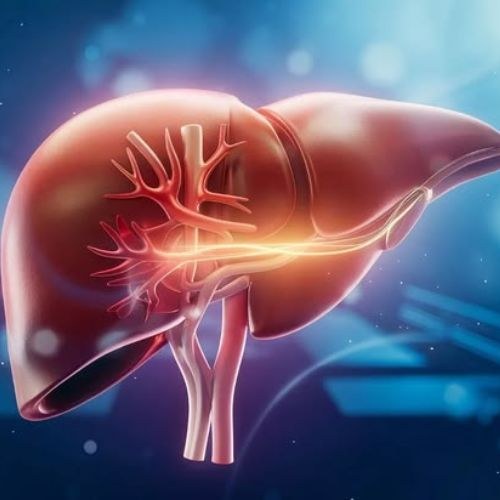
- AThe surgery usually takes between five and six hours, but may be longer or shorter due to the difficulty of the operation and the experience of the surgeon.
- BLiver Transplantation is performed under a general anesthesia.
- CBefore the surgery, a tube is placed through the mouth of patient into windpipe to help breathe during the operation.
- DA Y-shaped incision in the abdomen is made and the diseased liver is removed. Donated liver is then inserted and attached to the major blood vessels and to the bile ducts. The incision is then closed at the end of surgery.
- EEntire procedure of liver transplantation surgery usually takes about 6-12 hour to perform successfully.
What Are Types Of Liver Transplantation Surgery?
There are three types of liver transplantation surgery procedures - Orthotopic transplantation, Heterotopic transplantation surgery and Reduced-size liver transplantation.
- AOrthotopic Transplantation - The orthotopic approach requires replacing the recipient liver with the donor liver. After the donor liver is removed, preserved and packed for transport, it must be transplanted into the recipient within 12 to 18 hours. The surgery begins by removing the diseased liver from the four main blood vessels and other structures that hold it in place in the abdomen. After the recipient's liver is removed, the new healthy donor liver is then connected and blood flow is restored. The final connection is made to the bile duct, a small tube that carries bile made in the liver to the intestines.
- BHeterotopic Transplantation – Heterotopic Transplantation surgery involves the addition of a healthy donor liver at another site, while the diseased liver is left intact. This liver transplant surgery procedure is performed when the doctor is of the opinion that the diseased liver might recover. The healthy liver is attached very near to the original liver. If the liver recovers, the other organ shrivels away. If not, then the original one shrivels and the donor liver performs the body functions.
- CReduced-size Liver Transplantation – Reduced-size Liver Transplantation is most often performed on children and involves the transplanting a part of the healthy donor liver into a patient. This procedure is performed when 15-20% of the original liver is intact. This way, one donor liver can be used for two successful transplants.
What Follow-Up Care To Be Taken Post Liver Transplantation?
- AAfter liver transplantation, the patient must frequently visit the transplant surgeon, about 1-2 times a week over about 3 months.
- BThe transplant surgeon and hepatologist monitor the patient's progress through blood tests. After a year of Liver transplantation, follow-up care becomes individualized.
- CPost transplant, patient will be on several different medications especially Immunosuppression medications which keep the body from fighting off the new organ. You may be on other medications to control blood pressure, Insulin, antibiotics and antivirals, diuretics, and vitamins.
- DTypically, patients are seen every week for the first month post transplant, and then the frequency is reduced over time.
- EAdditional testing to monitor your health and liver function may vary from patient to patient. Tests may include abdominal scans, ultrasounds, and liver biopsies.
- FThere are few dietary restrictions. The patient is often advised to restrict salt (sodium) intake. A well-balanced diet with adequate protein is necessary. For reasons that are not clear, obesity frequently becomes a problem with liver transplant patients. To avoid this problem, patients should take control of their calorie intake early on.
What Is Liver Transplantation Rejection?
Unfortunately, when the immune system sees a newly transplanted organ as a foreign object that could be harmful to you, it attempts to rid your body of it. This is called as rejection. The anti rejection drugs taken after surgery help prevent rejection. These drugs weaken the immune system to allow your body to accept the transplanted organ. Rejection is most common in the 6 months after transplant surgery, but it can happen at any time. It can also be treated. Treatment is most effective if rejection is caught early. Fever, Fatigue, Chills, Nausea Body ache and Jaundice are some warning signs of rejection of liver transplant. The patient needs to be aware of the signs of rejection so that it can be reported to the transplant coordinator immediately. Some tests are conducted to confirm rejection of the transplanted liver. These tests may include blood work and Liver biopsy. If the liver shows any signs of rejection, the dosage of immunosuppressant drugs is usually increased. If the biopsy shows a significant amount of rejection, the patient may be hospitalized for more intensive immunosuppressive therapy.
What Are Advantages Of Liver Transplantation?
- Liver transplants provide patients a chance for a longer, more active life in the final stages of liver disease or end-stage liver disease.
- There’s no question that transplant is a major operation. The recovery can sometimes be the most taxing but anti-rejection medications are making the process easier.
- If the transplant is performed before the recipient's health deteriorates, he or she is better able to tolerate the surgery and recovers more quickly.
- The donors and recipients recovered quickly, the donors were discharged in about a week and the recipients in 2 to 3 weeks.
Why Choose India For Liver Transplantation?
Liver Transplant in India is performed through cutting- edge clinical solutions, research, extraordinary patient care and infrastructure of world-class standards. This has addressed concerns of many patients and has helped them get rid of complex and most end stage liver diseases. Liver Transplant is a complex surgical exercise and need highly skilled consultants, ingenious technical staff and advanced technology working with perfect harmony, enormous dedication and team work. India offers a one stop solution for all those seeking critical procedures such as Liver transplantation with the availability of the best liver transplant hospitals in the world .
Cities in India that offers Liver Transplantation at some of the best multi specialty hospitals are as follows;
| Mumbai | Hyderabad | Kerala |
|---|---|---|
| Delhi | Pune | Goa |
| Bangalore | Nagpur | Jaipur |
| Chennai | Gurgaon | Chandigarh |
 United States
 United Kingdom
 Canada
 Australia
 New Zealand
 Nigeria
 Kenya
Kenya Ethiopia
 Uganda
 Tanzania
 Zambia
 Congo
Congo Sri Lanka
 Bangladesh
 France
 Afghanistan
 Nepal
Nepal Uzbekistan