
Overview
The advanced medical treatments available in India have made it a popular destination for medical tours. Microvascular surgery is one of them. It is the surgery on very small blood vessels such as those only 3 to 5 millimeters in diameter. Microvascular surgery is done through an operating-room microscope using specialized instruments and tiny needles with ultrafine sutures.
It is used to reattach severed fingers, hands, arms, and another amputated parts to the body by reconnecting the small blood vessels and restoring the circulation before the tissue starts to die. It also can be used in reconstructive surgery.
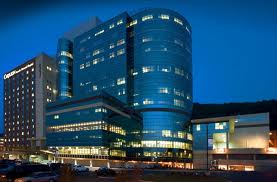
At the Joint Commission International accredited Hospitals in India, the Department of Neuro Surgery offers the latest medical facilities in microvascular surgery. They provide comprehensive medical and surgical care for patients considering microvascular surgery at cities like Bangalore, Hyderabad , Delhi, Mumbai and Chennai.
Microvascular surgery includes novel and intricate surgical techniques to join together tiny blood vessels and helps to transfer large amount of tissues e.g. muscle, bone, tendon or cartilage from distant parts of the body to reconstruct wounds and tissue defects.
It is carried out routinely for reconstruction in the head and neck area, upper and lower extremity and for re-implantation of a finger, hand or a limb following accidental amputation. The surgery techniques require great care and accuracy and are performed with the aid of a microscope, specialized instruments and tiny needles with ultra fine sutures.
It is technically demanding; it is very important for your microvascular surgeon to perform a careful pre-operative assessment. With the advent of animation technology, most facial microvascular surgeons use facial animation as part of pre-operative work-up. Selection of donor site for free skin flap grafting is crucial in the successful outcome of the surgery.
Make sure that patient inform the plastic surgeon about the health conditions and all the prescription and non-prescription medications that you are taking. Stop smoking at least 2 weeks before microvascular surgery and do not smoke for at least 2 weeks after the surgery.
Inform the surgeon if patient have any problems with clotting of your blood or if he is taking any blood thinning medications. Patient will be hospitalized for about a week following microvascular surgery. Avoid any pressure on the surgery site that might compromise the blood supply. Antibiotics, aspirin are given and a close observation is made for hematoma formation.
Clinical assessment for viability of skin flap is confirmed based on the color, texture, vascularity and a daily prick test.
Mobility And Pain Assessment
Now, getting the microvascular surgery in India could be highly beneficial due to highly reduced costs and extremely good medical care available.
India offers a wide range of specialized services at less than one-fifth of the cost in developed countries which is strengthening medical tourism industry, "Healthcare facilities being provided in some of the hospitals are on par with that being provided in developed nations that too at one-fifth of the price. "It will help over as patients avail these services.
Medical tourism has become a common form of vacationing, and covers a broad spectrum of medical services. It mixes leisure, fun and relaxation together with wellness and healthcare.
What Patients Should Confirm
Patients should confirm pain level, mobility limits, imaging, implant or fixation plan, physiotherapy needs, and when flying or long travel is considered safe.
Before requesting a medical opinion, keep recent reports, imaging files, discharge summaries, prescriptions, and a short symptom timeline ready. This helps the specialist review the case without unnecessary back-and-forth.
Travel And Follow-Up Planning
International patients should ask about visa documents, attendant needs, estimated hospital stay, nearby accommodation, fitness-to-fly advice, and how follow-up will continue after returning home.
Forerunners Healthcare can coordinate hospital options, doctor review, appointment planning, travel support, and cost estimates while keeping the final medical decision with the treating specialist.
Care Planning Checklist
Before confirming treatment, patients should share recent reports, imaging, prescriptions, allergy details, previous discharge summaries, and a short timeline of symptoms or diagnosis. This helps the hospital team give a clearer medical opinion and a more realistic cost estimate.
Patients should also confirm the expected hospital stay, attendant needs, visa documents, airport transfers, accommodation near the hospital, payment inclusions, and what may change if extra tests or a longer stay are required.
Follow-up planning should be discussed before travel. Ask what warning signs need urgent attention, when flying is usually reviewed, how medicines or dressings will be managed, and how the treating team will coordinate after the patient returns home.






































