
Overview
India is pegged as one of the best destination for beating heart surgery or any other type of cardiac treatment. The overall reported outcome rate of beating heart surgery in India varies from 75-92% which is higher than any other hospital across the globe. The complication arising after the treatment is rare and minimal by the current technique that is being used by the Indian hospitals.
The reason for the high reported outcome rate of beating heart surgery in India is because of the staffing levels of the hospitals that are set in such a way that it completely ensures prompt compassionate care for every medical patient. Beating heart surgery is a way to perform surgery without stopping the heart.
Surgeons use a special device to stabilize the part of the heart on which they are operating. The heart continues to beat and circulate blood to heart muscle during the operation. Beating heart surgery helps reduce the risk for complications associated with temporarily stopping the heart during surgery.
If the heart is stopped for surgery, the surgeon must restart it and reintroduce blood into the tissue. This is called reperfusion.
Causes Of Beating Heart Surgery
Before beating heart surgery starts, the patient is required to undergo a electrocardiogram (ECG or EKG), blood tests, urine tests, and a chest x-ray to give your surgeon the latest information about your health. Small metal disks called electrodes will be attached to the patient’s chest.
These electrodes are connected to an electrocardiogram machine, which will monitor your heart's rhythm and electrical activity. A tube is inserted down the patient’s windpipe and connected to a machine called a respirator, which will take over your breathing.
Another tube will be inserted through the patient’s nose and down the throat, into the stomach. This tube will stop liquid and air from collecting in the patient’s stomach, to prevent him from feeling sick and bloated. A thin tube called a catheter will be inserted into the patient’s bladder to collect any urine produced during the operation.
In the beating heart surgery the cardiac surgeon makes an incision down the middle of the chest and then saws through the breastbone (sternum).
This is called a median sternotomy. After that the heart is cooled with iced salt water, while a preservative solution is injected into the heart arteries. This process minimizes damage caused by reduced blood flow during surgery and is referred to as cardioplegia. Before beating heart surgery starts, a cardiopulmonary bypass must be established.
Plastic tubes are placed in the right atrium to channel venous blood out of the body for passage through plastic sheeting in the heart lung machine. The oxygenated blood is then returned to the body. The main aorta is clamped off during beating heart surgery to maintain a bloodless field and to allow bypasses to be connected to the aorta.
The most commonly used vessel for the bypass is the saphenous vein from the leg. Beating heart surgery involves sewing the graft vessels to the coronary arteries beyond the narrowing or blockage. The other end of this vein is attached to the aorta.
The chest wall arteries are separated from the chest wall and usually connected to the left anterior descending artery which is one of its major branches beyond the blockage. The major advantage of using left chest wall arteries is that they tend to remain open longer than venous grafts.
To save time, internal mammary arteries may not be used for emergency Beating heart surgery when time is critical to restore coronary artery blood flow.
At the end of surgery, the sternum is wired together with stainless steel and the chest incision is sewn closed. Plastic tubes (chest tubes) are left in place to allow drainage of any remaining blood from the space around the heart. Chest tubes are usually removed after surgery. The breathing tube is usually removed shortly after surgery.
Beating heart surgery takes about four hours to complete. The aorta is clamped off for about 60 minutes and the body is supported by cardiopulmonary bypass for about 90 minutes.
Advantages Of Beating Heart Surgery
India has originated as one of the most important hubs for beating heart surgery. Many people from the developed countries come to India for medical treatments because a nice blend of top-class medical expertise is offered by various Indian hospitals.
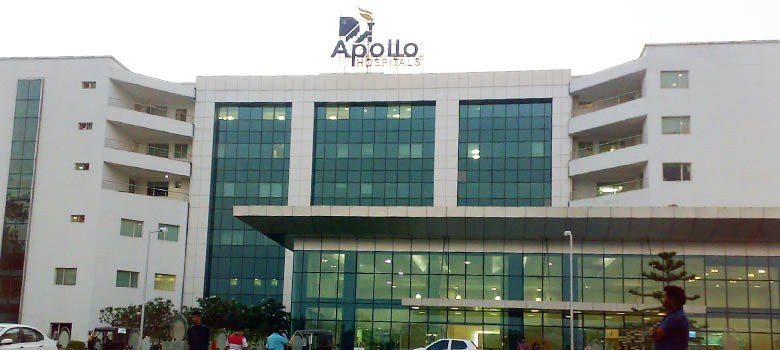
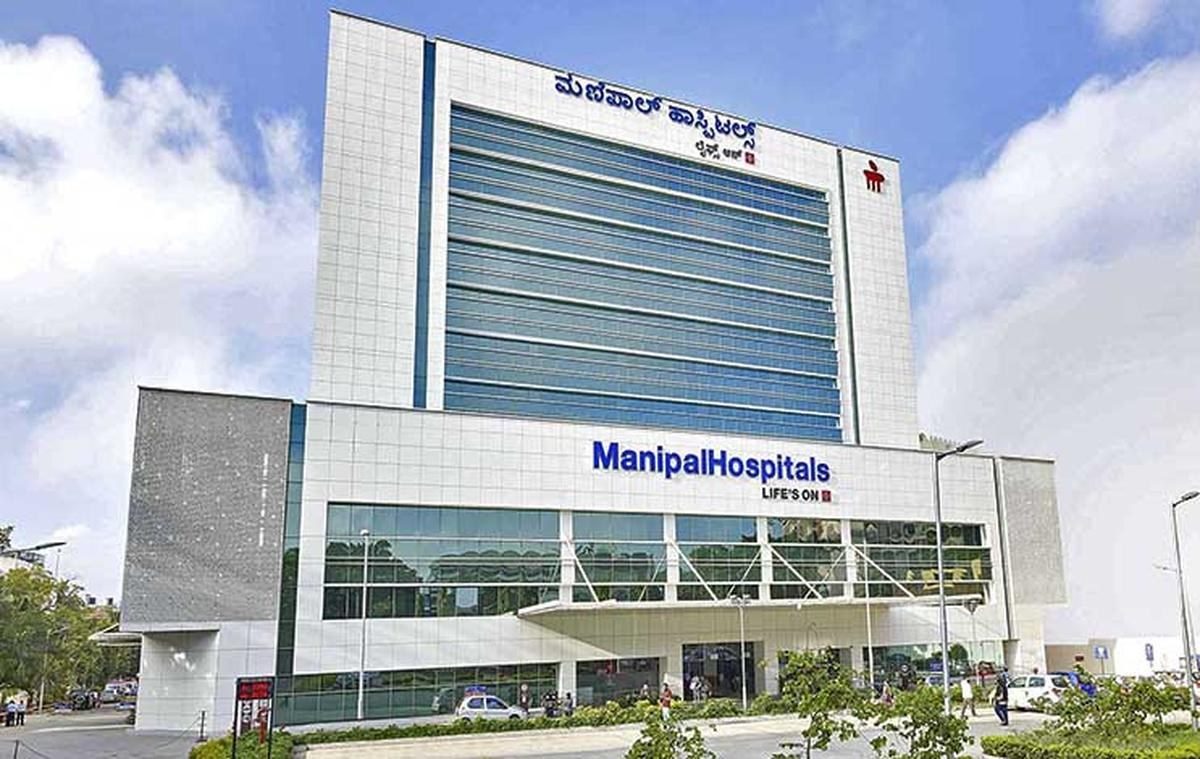
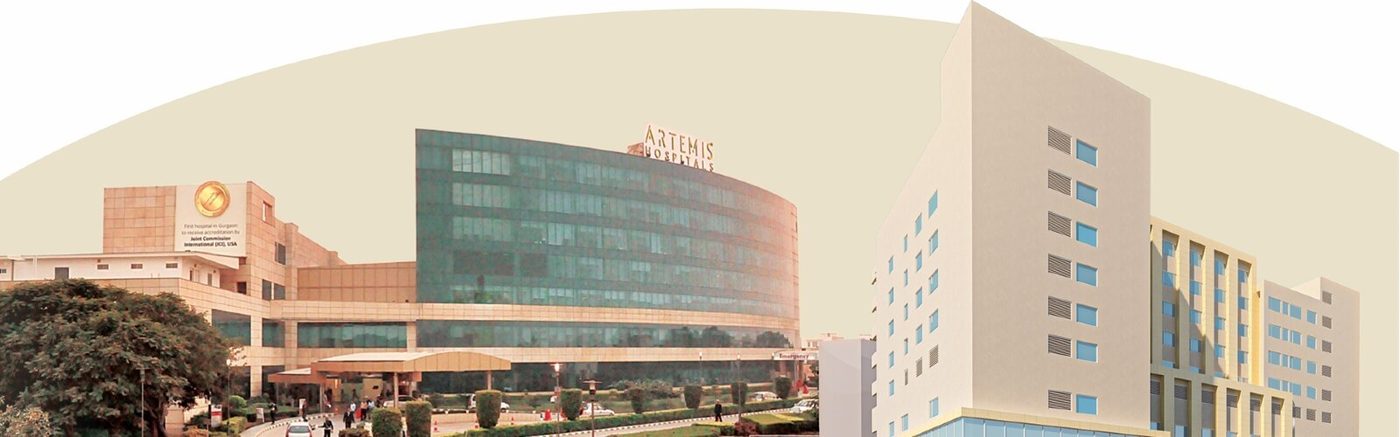
Beating heart surgery in India is available at the hospitals of Mumbai, Bangalore, Hyderabad, Chennai and New Delhi at state-of-the-art hospitals where the amenities are at par with the western countries.
What Patients Should Confirm
Patients should confirm current symptoms, cardiac test reports, medicines, urgency, and whether the proposed care is interventional, surgical, or medical management.
Before requesting a medical opinion, keep recent reports, imaging files, discharge summaries, prescriptions, and a short symptom timeline ready. This helps the specialist review the case without unnecessary back-and-forth.
Travel And Follow-Up Planning
International patients should ask about visa documents, attendant needs, estimated hospital stay, nearby accommodation, fitness-to-fly advice, and how follow-up will continue after returning home.
Forerunners Healthcare can coordinate hospital options, doctor review, appointment planning, travel support, and cost estimates while keeping the final medical decision with the treating specialist.
Care Planning Checklist
Before confirming treatment, patients should share recent reports, imaging, prescriptions, allergy details, previous discharge summaries, and a short timeline of symptoms or diagnosis. This helps the hospital team give a clearer medical opinion and a more realistic cost estimate.
Patients should also confirm the expected hospital stay, attendant needs, visa documents, airport transfers, accommodation near the hospital, payment inclusions, and what may change if extra tests or a longer stay are required.
Follow-up planning should be discussed before travel. Ask what warning signs need urgent attention, when flying is usually reviewed, how medicines or dressings will be managed, and how the treating team will coordinate after the patient returns home.