Overview
Laparoscopic Splenectomy in India is available at various distinguished hospitals of Mumbai, Bangalore, Hyderabad, Chennai and New Delhi. Surgeons performing laparoscopic splenectomy in India are trained and specialized abroad. Laparoscopic Splenectomy in India and other first-rate medical procedures are available at an affordable price.
We at Forerunners Healthcare Group offer packages that include everything from airport pick up, accommodations, meeting with surgeons beforehand and follow-up care and procedures once they return home.
The hospitals in India have built an enviable reputation for providing excellent medical care for laparoscopic splenectomy that is supported by state-of-the-art equipment and comfortable surroundings.
A splenectomy is the surgical removal of the spleen. There are two types of splenectomies - the traditional open approach, using a full size incision, and the laparoscopic approach, which uses several very small incisions. Located in the upper left portion of the abdomen, the spleen acts as a filter for blood and helps your body fight infection.
Laparoscopic splenectomy is often referred to as minimally invasive surgery.
Causes Of Splenectomy
Procedure – In this video before laparoscopic splenectomy begins the patient is administered with anesthesia. Once the patient is unconscious, the laparoscopic splenectomy begins, typically with the introduction of five small incisions approximately 2 to 3 centimeters in length below the ribs on the left side. A tiny camera is inserted into one of the incisions.
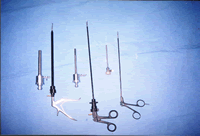
The other incisions are used for the insertion of surgical instruments and the actual performance of the surgery.
During the surgery, the surgeon views the space being operated on with the camera, as the incisions are too small to allow the surgeon to view the surgery directly.
The spleen has many blood vessels, so the surgeon finds the blood vessels leading to and from the spleen and places clips on them to permanently stop blood from flowing through to the spleen. The spleen is then cut away from the other structures of the body. The surgeon should take care that the spleen is entirely detached.
When it is free, the spleen is placed in a sterile bag so it can be pulled out of the body through one of the incisions.
If necessary, the incision can be slightly enlarged to permit the bag to pass through. This is done so no pieces of the spleen are able to break off and remain in the abdominal cavity, where they could cause serious infection.
In laparoscopic splenectomy once the spleen has been removed and the surgeon has found no signs of continued bleeding, the instruments are removed and the incisions are closed, the abdomen is deflated and the trocars are removed. The incisions are closed with surgical glue, steri-strips, or less frequently, staples or sutures.
Recovery Post Laparoscopic Splenectomy
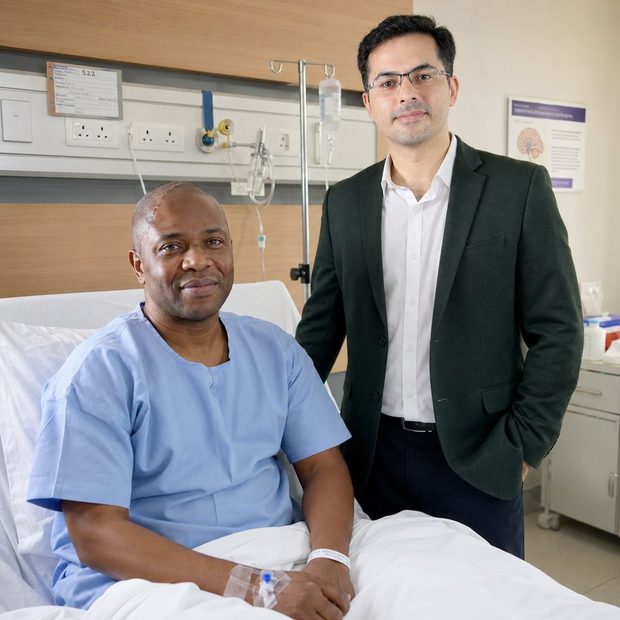
Laparoscopic splenectomy in India is a good option for you because it is available at an affordable price with the same medical standard that find will find in developed countries. Surgeons performing laparoscopic splenectomy in India are well educated specialists who implement their latest successful achievements of medicine in their own professional work.
Major hospitals in India are distinguished and have a specific set of benchmarks for performance that can be measured, enabling them to maintain a high quality level in all medical procedures. The medical tourist destination India thus, fully meets and in many cases exceeds the demands and expectations.
What Patients Should Confirm
Patients should confirm current symptoms, cardiac test reports, medicines, urgency, and whether the proposed care is interventional, surgical, or medical management.
Before requesting a medical opinion, keep recent reports, imaging files, discharge summaries, prescriptions, and a short symptom timeline ready. This helps the specialist review the case without unnecessary back-and-forth.
Travel And Follow-Up Planning
International patients should ask about visa documents, attendant needs, estimated hospital stay, nearby accommodation, fitness-to-fly advice, and how follow-up will continue after returning home.
Forerunners Healthcare can coordinate hospital options, doctor review, appointment planning, travel support, and cost estimates while keeping the final medical decision with the treating specialist.
Care Planning Checklist
Before confirming treatment, patients should share recent reports, imaging, prescriptions, allergy details, previous discharge summaries, and a short timeline of symptoms or diagnosis. This helps the hospital team give a clearer medical opinion and a more realistic cost estimate.
Patients should also confirm the expected hospital stay, attendant needs, visa documents, airport transfers, accommodation near the hospital, payment inclusions, and what may change if extra tests or a longer stay are required.
Follow-up planning should be discussed before travel. Ask what warning signs need urgent attention, when flying is usually reviewed, how medicines or dressings will be managed, and how the treating team will coordinate after the patient returns home.