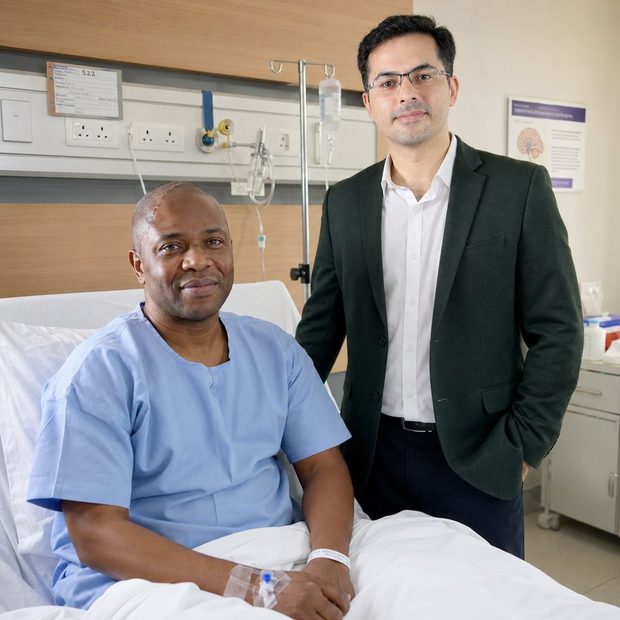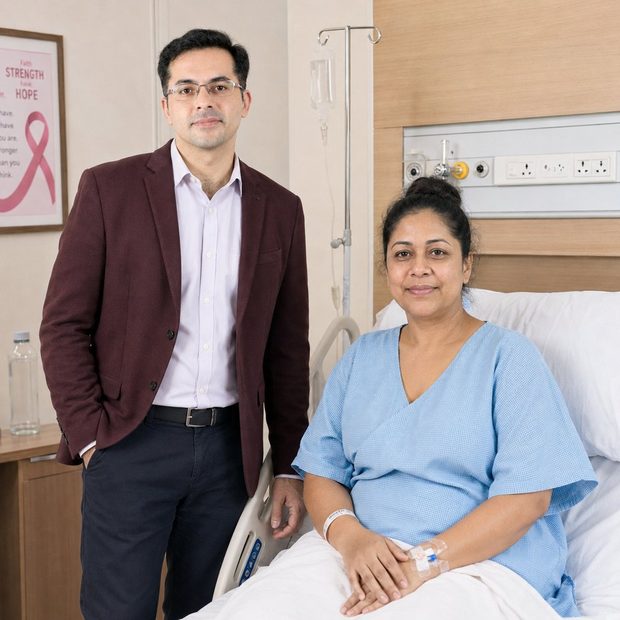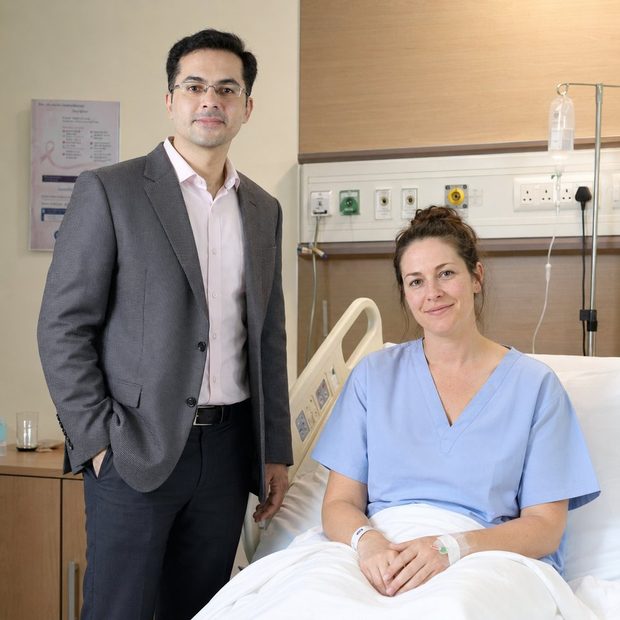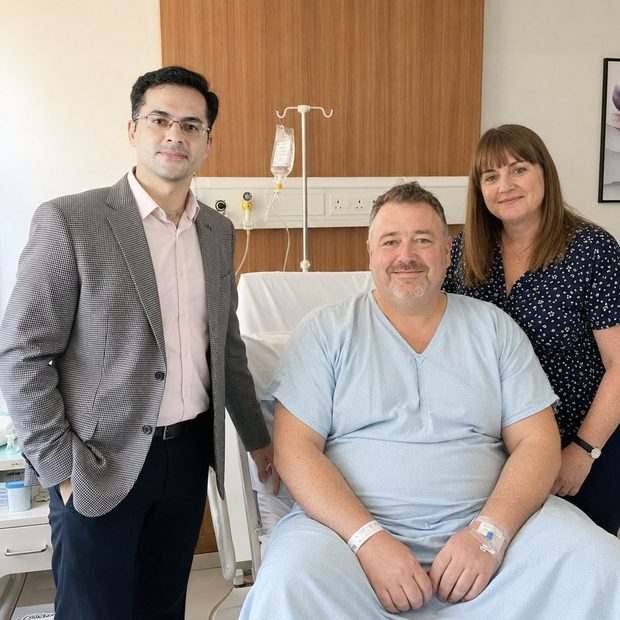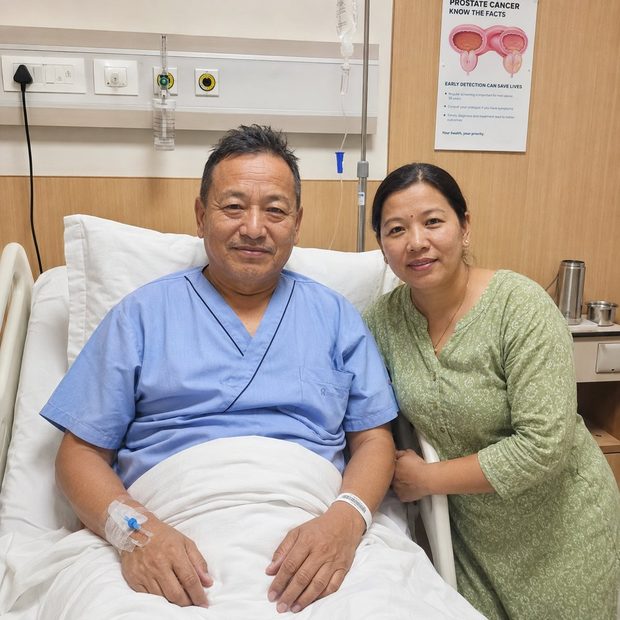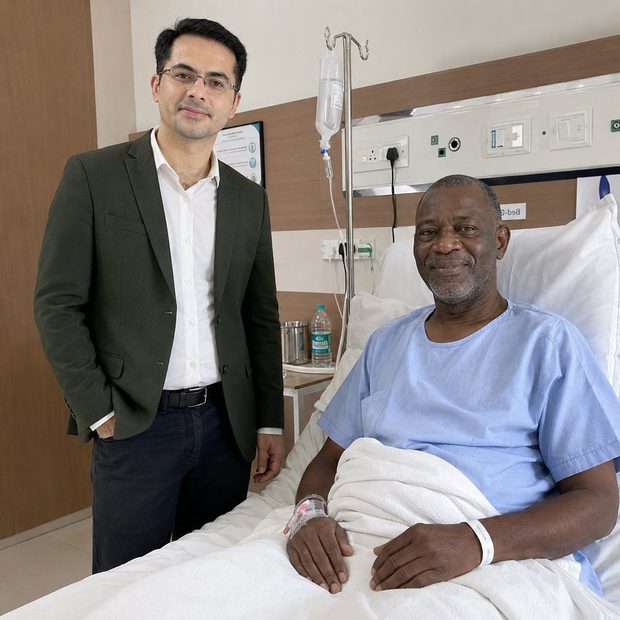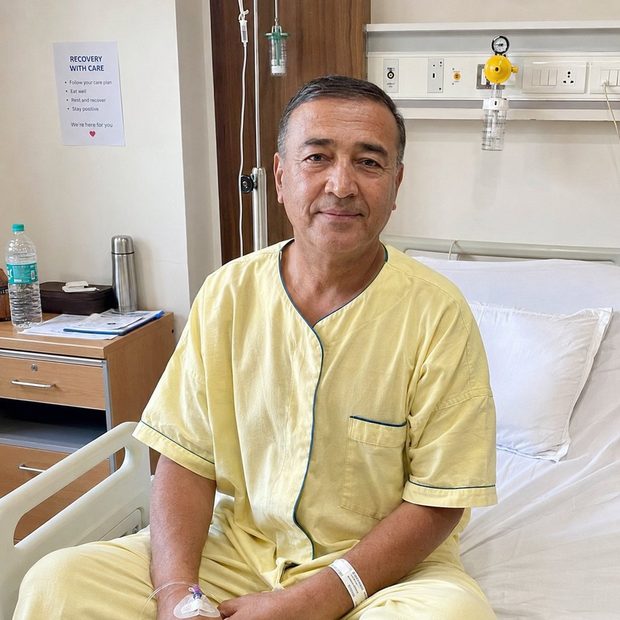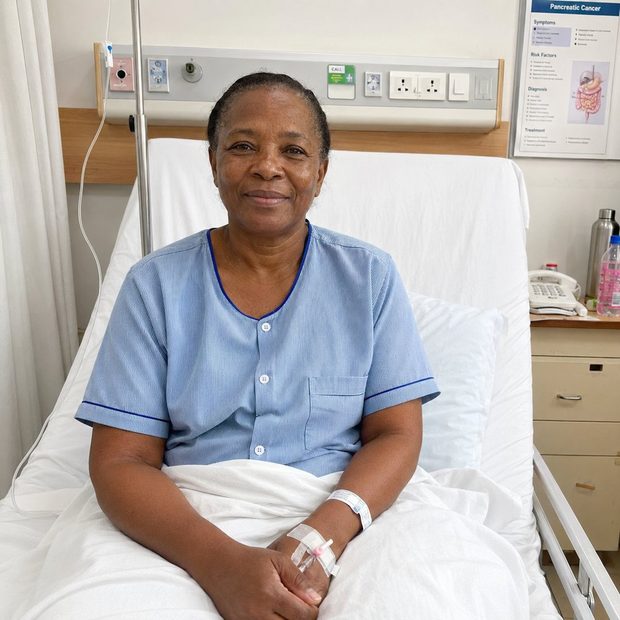
Plan Your Prostate Cancer Treatment And Surgery In India With Forerunners Healthcare Consultants
Prostate Cancer treatment is an intricate process that involves treating cancer of the prostate gland. Cancer needs utmost care with respect to both emotionally and physically. Forerunners Healthcare Consultants is a prominent medical travel partner in India making world-class medical facilities from the best doctors and hospitals accessible for the international patients looking for budget-friendly prostate cancer treatments abroad.
Overview
Prostate Cancer is the second most common cancer in men worldwide. The number of cases is estimated to go up to 1.7 million by 2030. Prostate cancer is highest in Australia/New Zealand, Western and Northern Europe and North America, and the lowest in Asia. In Africa, the highest rate is in South Africa and the lowest in Northern Africa. This test detects many prostate cancers that are small and /or would otherwise have remained unrecognized. Prostate Cancer is the cancer of the prostate gland in the male reproductive system. Prostate cancer usually develops in men over the age of fifty. In many cases prostate cancer shows no signs or symptoms, as a result, there are no therapy, and eventually causing death due to unrelated causes.
What Is Prostate Cancer?
Prostate cancer is the cancer of the prostate gland, a gland in the male reproductive system. The prostate secretes a slightly alkaline milky fluid that constitutes 50–75% in volume of the semen. helps neutralize acidity of the vaginal tract, prolonging sperm lifespan. Most prostate cancers grow slow but there are cases of aggressive prostate cancers too. The cancer cells may spread (metastasize) from the prostate to other parts of the body, typically the bones and lymph nodes. This type of cancer may have no symptoms initially, but can cause pain, difficulty in passing urinating, problems in sexual intercourse, erectile dysfunction, and death in later stages.
What Are The Types Of Prostate Cancer?
Acinar Adenocarcinoma - More than 9 out of 10 prostate cancers are a type called acinar adenocarcinoma. Mostly everyone diagnosed with prostate cancer has this type of prostate cancer that starts from gland cells in the prostate. Most of these cancers grow slowly and are not likely to spread, while some grow more quickly.
Ductal Adenocarcinoma - This prostate cancer starts in the cells that line the tubes of the prostate gland. It grows and spreads rather quickly than the above type. As a result, some men are at an advanced stage of prostate cancer when they are diagnosed.
Transitional cell - They start in the cells that line the urethra. This type of cancer may also start in the bladder and spread into the prostate. This type of prostate cancer may spread into the bladder entrance and into nearby tissues.
Squamous cell cancer - This type of prostate cancer starts in the flat cells covering the prostate gland. This type grows and spreads more quickly than adenocarcinoma, being at an advanced stage by the time diagnosed.
Carcinoid - These tumors start in cells of the neuroendocrine system, the system made up of specialized nerve and gland cells. They are very rare and seem to grow slow. They usually do not cause any symptoms for many years.
Small cell cancer - It is a type of neuroendocrine tumor and is made up of small round cells. Men having this type of cancer may not have a raised PSA test. This makes it more difficult to pick up early and has reached the advanced stage by the time it is diagnosed. They grow and spread more quickly than adenocarcinoma.
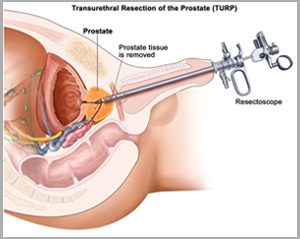
Benign prostatic hyperplasia (BPH) - It is a common, benign type of tumor of the prostate. In this type, the prostate grows larger and squeezes the urethra, and prevents the normal flow of urine. For some men, the symptoms are severe enough to need treatment or surgery.
Sarcoma / Sarcomatoid cancer - These start from muscle cells and often grow quite quickly. The most common type in men is leiomyosarcoma, between the ages of 35 and 60. Sarcomatoid cancers are a mixture of sarcoma and adenocarcinoma cells.
Best Hospitals For Prostate Cancer Surgery In India
The top hospitals for prostate cancer surgery in India are equipped with state of the art diagnostics to provide a wide range of cancer treatments. Our best doctors for prostate cancer in India will evaluate and discuss the findings to chart out the optimal plan of prostate cancer treatment for each patient based on established national and international guidelines and protocols. Our associated hospitals are located at Delhi, Chennai, Mumbai, Nagpur, Pune, Kochi, Jaipur, Chandigarh, Kochi, Goa, Bangalore, Noida, Gurgaon, Hyderabad, Ahmedabad, Kerala, etc.
Top 10 Prostate Cancer Treatment Hospitals In India
 Manipal Hospital (Old Airport Road), Bangalore
 Global Hospital, Mumbai
 Fortis Memorial Research Institute (FMRI), Gurgaon
 Fortis Hospital (Bannerghatta Road), Bangalore
 Artemis Hospital, Gurugram
 Saifee Hospital, Mumbai
 Medanta - The Medicity, Gurugram
 Max Super Speciality Hospital, Delhi
 Kokilaben Dhirubhai Ambani Hospital, Mumbai
 Jaslok Hospital, Mumbai
BLK Max Super Speciality Hospital, Delhi
Jaslok Hospital, Mumbai
BLK Max Super Speciality Hospital, Delhi
 Indraprastha Apollo Hospital, Delhi
Top 10 Prostate Cancer Surgeons In India
 Dr. Sandeep BatraGynecologic Oncology — Max Hospital, Delhi
 Dr. Gagan GautamUro-Oncology — Medanta Medicity, Gurugram
 Dr. Ankur BahlColorectal Surgery — FCI Defence Colony, Delhi
 Dr. Sameer KaulBreast Oncology — Indraprastha Apollo Hospital, Delhi
 Dr. Ajay KumarHead & Neck Oncology — BLK Max Hospital, Delhi
 Dr. Chibber Percy JalKidney Transplant — Jaslok Hospital, Mumbai
 Dr. Ashok MehtaOncology — Global Hospital, Mumbai
 Dr. Anil MandhaniUro-Oncology — FMRI, Gurugram
 Dr. Pankaj MaheshwariUro-Oncology — Fortis Hospital, Mulund
 Dr. Hemant B. TongaonkarUro-Oncology — Nanavati Max Hospital, Mumbai
 Dr. K. V. SanjeevanUro-Oncology — Amrita Hospital, Kochi
 Dr. Rajinder YadavUro-Oncology — Fortis Shalimar Bagh, Delhi
What Are The Causes Of Prostate Cancer?
Age - It is quite rare in men under 50, and more than half of the cases are diagnosed in men over 70.
Family history - Having a history of a Prostate cancer in family raises your risk 2 to 3 times more, compared to the average man.
Ethnicity - It is more common in Caribbean and African men than in white or Asian men.
Vasectomy - Men who have undergone vasectomy are at a slightly increased risk of prostate cancer.
Sexual factors - Some case studies show that having multiple lifetime sexual partners or starting sexual activity early in life increases the risk of prostate cancer.
What Are The Symptoms Of Prostate Cancer?
- APainful, frequent urge to urinate, especially at night
- BA sense of not being able to completely empty the bladder
- CPain during ejaculation
- DDifficulty passing urine, including straining to pass it or stopping and starting
- EBlood in the urine or semen
- FLow Back Pain, swelling in the Legs
How Is The Diagnosis Of Prostate Cancer Done?
Digital Rectal Exam (DRE): The doctor inserts a gloved, lubricated finger into your rectum to examine your prostate, which is adjacent, to detect structural anomalies, if any, in the prostate.
Prostate-Specific Antigen (PSA) Test: A blood sample is taken from a vein in your arm and examined for PSA, a substance naturally produced by the prostate gland. A small amount of PSA in your bloodstream is normal, but if the value increases the cause needs to be located.
Ultrasound: If and when other tests raise concerns, transrectal ultrasound is needed to evaluate your prostate for a clear picture of the prostate gland.
Biopsy : It is the removal of cells or tissues to be viewed under a microscope. A pathologist will check the biopsy sample to see if there are cancer cells.
Bone scans and X-rays: Reveal whether the cancer has invaded the bones. Doctors inject low doses of a radioactive substance into the patient's vein, which collects in bones that have been damaged by cancer.
CT / MRI Scans: further pinpoint the location of cancer that has spread beyond the prostate.
What Are The Stages Of Prostate Cancer?
- AStage I - here the cancer is found in the prostate only.
- BStage II - the cancer is more advanced than in stage I, but has not spread outside the prostate. It is divided into IIA and IIB.
- CStage III - the cancer has spread beyond the outer layer of the prostate and may have spread to the seminal vesicles.
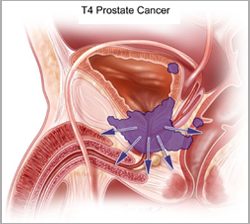
- DStage IV - the PSA can be any level, the cancer has spread beyond the seminal vesicles to nearby tissue or organs.
What Are The Options For Prostate Cancer Treatment And Surgery In India?
High Intensity Focused Ultrasound (HIFU) - It makes use of high frequency energy to heat and destroy cancer cells in the prostate gland.When these sound waves are concentrated on body tissues, the tissues heat up and die. Specialists target the area containing the cancer.It is an outpatient procedure generally performed under local or general anesthesia. As HIFU is non surgical, there is no incisions or blood loss and recovery is quick.
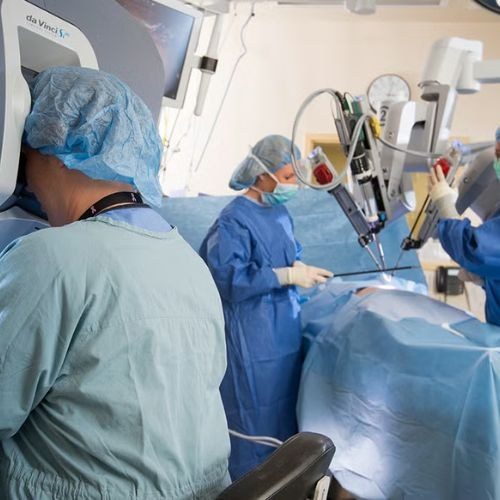
Robotic Surgery - Robotic surgery for prostate cancer removal is an advanced technique whereby the robotic arms hold the surgery tools. The advantages of this surgery type are very high precision in performing the surgery and reducing the risks associated with the surgery.
Cyber Knife Treatment - In this procedure, the patient lays still and breathes normally while the CyberKnife zeroes in on the prostate and irradiates it without harming surrounding areas. The procedure is more comfortable for patients, as radiation is given accurately and treatments are completed in four to five days.
Laser Surgery - This procedure has emerged as the top choice for most patients. It is minimally invasive as all work to open the prostate channel made through the penis, is done without an incision on the abdomen. This surgery helps patients urinate better and with a good stream. The patient is able to empty his bladder fully after the surgery.In Laser Surgery for Prostate cancer, the obstructive prostate tissue is vaporized by the directed laser beam.
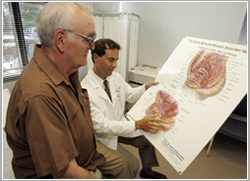
Radical Prostatectomy - It is the surgery done to remove the entire prostate and any nearby tissues like seminal vesicles and some nearby lymph nodes. Radical prostatectomy can be done as either open or laparoscopic surgery. The surgeon removes the prostate through a cut in the abdomen, or makes a series of small cuts instead of one larger cut. Sometimes prostate is removed through a cut in the area between the testicles and the back passage.After the prostate gland is taken out through an incision, a catheter is placed in the bladder to pass urine out of the body until the area heals.
Laparoscopic Radical Prostatectomy - A thin tube with a tiny camera is deployed. Small cuts are made near the tumor site, and thin tools remove the tumor and surrounding tissue. Patients are usually given general anesthesia that blocks nerve routes from the spine and numbs the area.
External beam Radiotherapy - This treatment deploys high radiation dose just on the area of the prostate gland. The whole of your prostate gland is treated along with an area of 1 to 2 centimetres around it.
Brachytherapy - Brachytherapy makes use of high dose of radiation reducing the risk of damage to nearby healthy tissue while destroying the tumor. Doctors place Brachytherapy seeds inside a body cavity or insert seeds into body tissue using hollow needles. It may be used alone or with radiation given externally. Radioactive seeds may be left permanently in place or removed after some time.
Hormone Therapy - Hormones occur naturally in your body and control the growth and activity of normal cells. Prostate gland cancer depends on the male hormone testosterone to grow. Lowering the amount of testosterone in the body can reduce the chance of an early prostate cancer coming back after treatment.
Chemotherapy - Chemotherapy involves drugs to kill cancer cells. It is used to treat prostate cancer that has spread to other parts of the body and is used mainly if hormone therapy is not controlling the cancer.
Cryotherapy - Cryotherapy uses an instrument to freeze and destroy abnormal tissue. Cryosurgery can be used to treat men who have early-stage prostate cancer that is confined to the prostate gland. It is less well established than standard prostatectomy and various types of radiation therapy. Long-term outcomes are not known. Because it is effective only in small areas, cryosurgery is not used to treat prostate cancer that has spread outside the gland, or to distant parts of the body.
Recovering From Prostate Cancer Treatment And Surgery India
- AA catheter will remain in place until your surgeon believes it should be removed, typically for 24 hours.
- BPatients can return to full activity within 4 weeks of the procedure. Recovery is faster for outpatient procedures, say one week.
- CPreventing infection in the incision helps reduce any scars you may have and decrease risk of complications in the weeks following surgery.
- DIncontinence is common for men after the surgery and it is common to have a catheter in place for the first week after surgery.
- ERisk of erectile dysfunction and impotence after surgery is significant, especially during the time immediately following surgery.
Why Choose India For Prostate Cancer Treatment And Surgery?
India is recognized as the new global medical destination for Prostate Cancer Treatment and Surgery. A sea of foreign patients from all across the world come to India for medical treatments and surgeries of high quality delivered as practiced in the developed nations like the US, UK or any part of the western world and that too at the most affordable costs.
The Cancer Hospitals in India have the most extensive diagnostic and imaging facilities including Asia’s most advanced MRI and CT technology. The Indian Oncologists performing different procedures of Prostate Cancer Treatment and Surgery in India are highly qualified, skilled with many years of experience and are affiliated with many renowned medical organizations.
India provides services of the most leading doctors and Prostate Cancer Surgery professionals at reasonable cost budget in the following cities:
| Mumbai | Hyderabad | Kerala |
|---|---|---|
| Delhi | Pune | Goa |
| Bangalore | Nagpur | Jaipur |
| Chennai | Gurgaon | Chandigarh |
 United States
 United Kingdom
 Canada
 Australia
 New Zealand
 Nigeria
 Kenya
Kenya Ethiopia
 Uganda
 Tanzania
 Zambia
 Congo
Congo Sri Lanka
 Bangladesh
 France
 Afghanistan
 Nepal
Nepal Uzbekistan