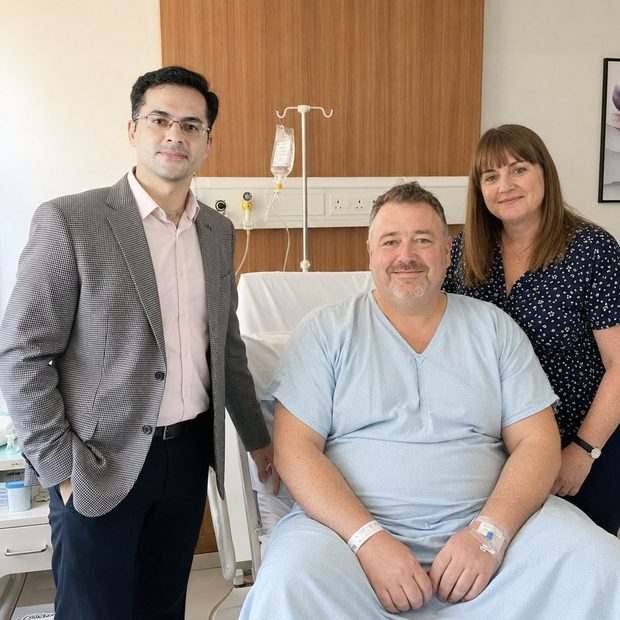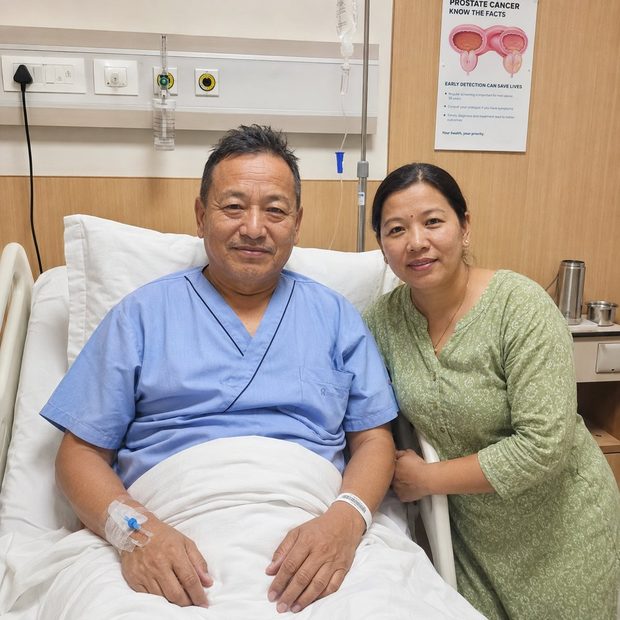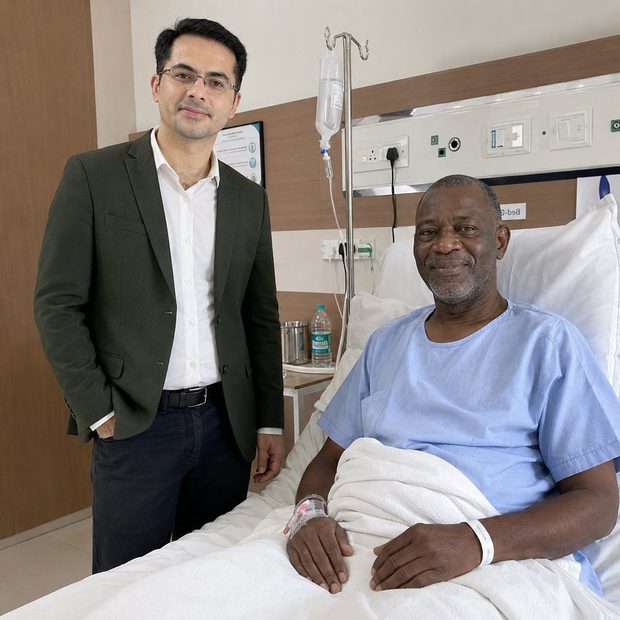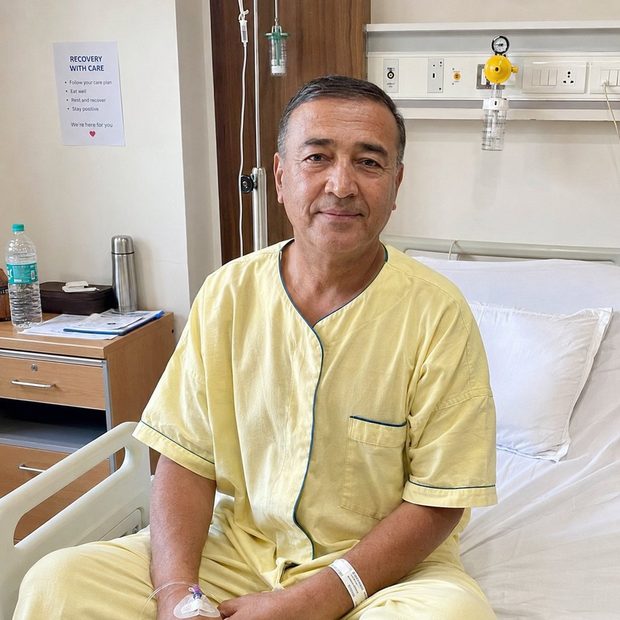
Plan Your Artificial Limb Prosthesis Surgery In India With Forerunner Healthcare Consultants.
Losing one or both the limbs can have a horrid effect on our mind, making us think less of ourselves. But with right kind of treatment and doctor, you can get a new, although artificial, limb that can make up for most of your routine activities. Forerunners Healthcare Consultants have ties with some of the best doctors in India who perform excellent Artificial Limb Prostheses Surgery in India. Another benefit is the low costs involved in the treatment as compared to most Western nations.
Overview
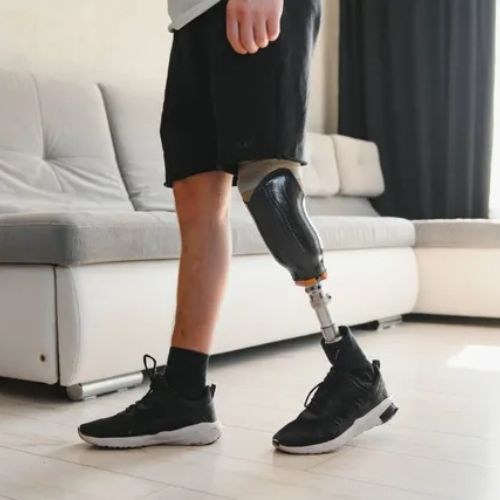
Prosthesis is an artificial device used to replace a missing limb to regain the part’s functionality to a certain degree. The science of artificial limbs is not new and date backs to thousands of years ago, and can be traced back to Indian and Egyptian lands.In the old days, only the rich could afford limb prosthesis, and was mostly used by military personnel. Time and progress wait for none and the science of Artificial Limb Prosthesis grew deeper with ground-breaking techniques being invented in almost all parts of the world. Prosthetic limb rehabilitation is done by an inter-disciplinary team of healthcare professionals including physiatrists and prosthetists.
What Are Artificial Limb Prostheses?
Limb prostheses are artificial extensions replacing missing limbs- arms or legs, lost due to infection, mishap, disease or congenital defects.Sometimes people lose one or both arms or legs tounfortunate events, while in several other cases, congenital, i.e. birth defects or infections are to blame. However, these shortcomings can be overcome to a great extent with Artificial Limb Prostheses.Limb Prosthetics is part of bio mechatronics, that deals with the science of fusing mechanical devices with human muscle, nervous systems, and skeletonto assist and/or enhance motor control that may be lost by trauma, defect, or disease.The type of artificial limb to be used is determined by the location of the missing extremity and extent of an amputation or loss. Another common use of prosthesis is heart valves with artificial hearts. Other prosthetics that can be considered prosthetics are palatal obturator, artificial eyes,gastric bands, and dentures.The last few decades have seen magnificent advancements in artificial limbs. Newer materials like carbon fiber have made artificial limbs stronger and lighter, limiting the amount of extra energy to be put to operate the limb. Creation of life-like limbs called cosmesis, made out of silicone or PVC, has been made possible. Such prostheticslook like real hands, complete with veins, hair, freckles,fingerprints and even tattoos. Cosmesescan be attached to the body using an adhesive, stretchable skin,form-fitting, suction,or a skin sleeve.
What Are Various Types Of Artificial Limb Prostheses?
Artificial Joint Prosthetics
Our joints are padded with cartilage that eliminate friction and make movement joint easier.This cartilage can wear-down gradually, causing the bones to rub against each other leading to severe pain and decreased movement. Prosthetics are used to replace damaged joints. The ball and socket joints of hip and shoulder are replaced with round ball implant attached to a stem inserted into the thigh bone or upper arm bone. A new joint is formed with plastic-lined socket attached to the pelvis or shoulder blade. Knee Prosthetic implants replace the bottom of the thigh bone and the top of the tibia.
Artificial Upper Limb Prosthesis
Arm prostheses are used to replace missing limb. Its main types are transradial or transhumeral. Body-powered arm prosthetics are attached to the body with a harness and cable. The arm is controlled by movement of the opposite arm. Another type of artificial arm is a myoelectric prosthesis, is controlled by electric signals received from the brain. Inside the prosthesis,electrodes are attached to muscles in the elbow or upper arm. The muscle movement tells the brain what to do like moving the elbow joint, opening or closing the hand or hook at the end of the prosthesis etc.
Trans-radial Prosthesis - It is an artificial limb to replace an arm missing below the elbow. A cable operated limbis attached with a harness and cable around the opposite shoulder of the defective arm. The other form is myoelectric arm, which sensesmovement of muscles in the upper arm, causing an artificial hand to open or close.
Artificial Lower Limb Prosthesis
Trans-tibialand trans-femoralare the two types of prostheses used to replace a missing leg. The former are used to replace parts missing below the knee, while the later include an artificial knee joint and attach to the thigh. The type of prosthesis to be used depends on level of amputation, financial resources, person's occupation and hobbiesand expected function. The components that make up a leg prosthesis are foot-ankle assembly, shank,suspension, socket.
Trans-tibial Prosthesis – It is an artificial limb to replace a leg missing below the knee. Amputees under this category usually can regain normal movement easily than someone with a trans-femoral amputation.
Trans-femoral Prosthesis – It is an artificial limb that replaces a leg missing above the knee. Regaining normal movement can be difficult for trans-femoral amputees. He has to use nearly 80% more energy to walk than a person with two normal legs.
Cosmetic Prosthesis
Cosmetic prostheses can only improve a person's appearance after the loss of certain body part. These include artificial eyes, silicone hands, fingers, breasts, feet and toes. They can also correct facial deformities from disease or trauma.Artificial hands, can now be made to mimic the appearance of real hands. Custom-made prosthesis can be made to match a person's skin tone. They can be attached to the body in any number of ways, using form-fitting, adhesives, stretchable skin, suction, or skin sleeve.
Robotic Prosthesis
Robotic Prosthesis works in conjunction with human nerves and sensors, in way that biosensorsdetect signals from one’s nervous or muscular systems. This information is relayed to a controller based inside the device, processes feedback from the limb and sends it to the controller. A controller is connected to the user's nerve, muscular systems and the device. It sends commands from the user to the device and interprets feedback from the mechanical and biosensors to the user.
Another way is Targeted Muscle Reinnervation(TMR) in which motor nervesthat controlled muscles on an amputated limb are surgically rerouted so as to reinnervate (restoring function of a denervatedmuscle by supplying it with nerves by regrowth) a small region of a large, intact muscle. So when a patient thinks about moving the thumb of his missing hand, a small area of muscle on his chest will contract. By placing sensors over the reinnervated muscle, these contractions can be made to control movement of an appropriate part of the prosthesis.
Best Hospitals For Artificial Limb Prosthesis Surgery In India
The top hospitals for artificial limb prosthesis surgery in India are equipped with state of the art diagnostics to provide a wide range of treatments. Our best surgeons for limb prosthesis surgery in India will evaluate and discuss the findings to chart out the optimal plan of limb prosthesis surgery for each patient based on established national and international guidelines and protocols.
 Manipal Hospital (Old Airport Road), Bangalore
 Global Hospital, Mumbai
 Fortis Memorial Research Institute (FMRI), Gurgaon
 Medanta - The Medicity, Gurugram
 Max Super Speciality Hospital, Delhi
 Kokilaben Dhirubhai Ambani Hospital, Mumbai
 Indraprastha Apollo Hospital, Delhi
 Fortis Hospital (Bannerghatta Road), Bangalore
 Artemis Hospital, Gurugram
 Saifee Hospital, Mumbai
 Jaslok Hospital, Mumbai
 Lilavati Hospital & Research Centre, Mumbai
Our associated hospitals are located at Delhi, Chennai, Mumbai, Nagpur, Pune, Kochi, Jaipur, Chandigarh, Kochi, Goa, Bangalore, Noida, Gurgaon, Hyderabad, Ahmedabad, Kerala, etc.
What Are Methods For Artificial Limb Prostheses Attachment?
- ADirect skeletal Fixation - Here, a metal implant is inserted into the centre of the bone of the stump, through the skin. A prosthesis is then attached to this metal implant. The aim of this procedure is to produce a comfortable and securely attached prosthetic limb.
- BPylon - is an internal frame or skeleton of prosthetic limb, provides structural support and is formed of metal rods. Recently, lighter carbon-fiber composites are being used. The pylons are sometimes enclosed by a covermade up of foam-like material. This cover can be shaped and colored to match the user’s skin tone for a lifelike appearance.
- CSocket - is that portion of a prosthetic device which interfaces with the patient's limb stump. It is crucial that it is fitted Because the socket transmits forces from the prosthetic limb to the patient's body, it must be carefully to eliminate irritation or damage to the skin or underlying tissues.
- DSuspension - keeps the prosthetic limb attached to the body. There are different forms of suspension like a harness system, straps, belts or sleeves, used to attach the prosthetic device. A great way of suspension mechanismis suction in which, the prosthetic limb is fitted onto the residual limb with an airtight seal that keeps it in place.
What Are The Features For The Right Prothesis?
- Fit - athletic/active amputeesmay need a well-detailed socket fit; less-active patients may go with a total contact fit
- Energy absorption - minimizing the effect of high impact on the musculoskeletal system
- Ground compliance - stability independent of terrain type and angle
- Rotation - ease of changing direction
- Weight - maximizing comfort, balance and speed
- Suspension - how the socket will join and fit to the limb
What Risk Factors Are Involved In The Prosthesis Surgery?
Artificial Limb Prosthetics may cause infection they rubs against the stump causing irritation, rash, blisters, pimplesor sores. Since the prosthesis socket is airtight and damp, it is a perfect environment, warm and moist, for bacterial infections to grow and spread. Other complications that can arise are death of skin flaps (necrosis), hematoma (bruise), a wound opening that does not heala joint tightening or deformity (contractures).
How To Take Prosthetic Care?
To gain the highest benefits of a new limb and prevent problems, take care of the device, the amputation site, and your health:
- ARemove the prosthesis before you go to bed and examine the device for loose parts or damage. Check the stump for blisters or other signs of irritation.
- BKeep the stump clean and massage the skin with a small amount of lotion.
- CPut a bandage on the stump to decrease swelling when not wearing the prosthesis.
- DInspect the skin of the stump for sores or wounds.
- EPractice exercises recommended by your physical therapist. Little stretching, range of motion, body positioning, and endurance would be good.
- FFor leg prostheses, wear right fitting shoes and never change the height of your heels as they are designed for one heel height only.
- GClean the prosthesis' socket with soap and water.
- HWear clean dry socks with the prosthesis.
- IMaintain a stable body weight.
Why Prefer India For Artificial Limb Prostheses Surgery?
India has been recognized as a new medical destination for Artificial Limb Prostheses Surgery. This science is however not new to India as the first examples dating back hundreds of years ago, were found in India. Thousands of global patients from all across the world fly to India for various medical treatments and surgeries of high quality delivered as practiced in the developed nations like the US, UK and that too within their budget costs. The Indian medical experts are highly qualified, skilled with many years of experience and are affiliated with many renowned medical organizations. The limb prostheses centers in India are well equipped with the most advanced medical treatment and methodologies, and the medical experts help patients with post-treatment recovery and physical therapies to help them get friendly with new limbs.Facilities are available at reasonable costs in the following cities:
| Mumbai | Hyderabad | Kerala |
|---|---|---|
| Delhi | Pune | Goa |
| Bangalore | Nagpur | Jaipur |
| Chennai | Gurgaon | Chandigarh |
Why Choose Forerunners Healthcare Consultants For Artificial Limb Prosthesis Surgery In India?
Forerunners Healthcare Consultants provides comprehensive medical services to international patients for Artificial Limb Prosthesis Surgery in India at low cost . The patient just has to send a detailed query about the Limb prosthesis treatment and his/her conditions and soon he/she will be contacted by and Forerunners Healthcare Consultants assistant. That assistant will answer to his query in detail and guide him about the rest of the procedures to get the treatment done in India.

 United States
 United Kingdom
 Canada
 Australia
 New Zealand
 Nigeria
 Kenya
Kenya Ethiopia
 Uganda
 Tanzania
 Zambia
 Congo
Congo Sri Lanka
 Bangladesh
 France
 Afghanistan
 Nepal
Nepal Uzbekistan